
Readerielliopsis
Readerielliopsis
Readerielliopsis is a genus of fungi belonging to the class of hyphomycetes, recognized as an agent causing necrotic leaf spots and stem diseases in various plant species.
What the section contains
Readerielliopsis
The pathogen reproduces through conidia, which are efficiently dispersed by wind, rain splashes, and human activity within agricultural fields, leading to rapid disease spread.
This fungus acts as a necrotrophic parasite, surviving unfavorable seasons within infected plant debris, which acts as a primary inoculum source for subsequent crop cycles.
Its biological cycle is highly dependent on the availability of host tissue, as the fungus infiltrates the leaf structure to derive nutrients, ultimately leading to tissue death.
As an opportunistic pathogen, Readerielliopsis can thrive in various environments, often taking advantage of stressed or weakened plants to establish a firm infection.
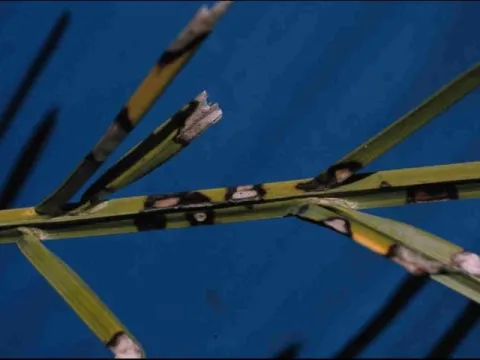
The primary symptom of infection is the development of distinct spots on leaves, which typically transition from small chlorotic dots to necrotic lesions with dark margins.
In the center of these lesions, the fungus produces its reproductive structures, appearing as dark, dense clusters of conidiophores and spores, often visible to the naked eye.
As the disease advances, the necrotic spots may merge, covering larger areas of the leaf blade and causing irregular patterns of tissue decay and subsequent leaf drop.
In severe cases, stem infections may occur, leading to cankerous growths or localized necrosis that inhibits the transport of water and nutrients to the plant canopy.
The overall plant appearance shows signs of decline, including chlorosis of non-infected leaf tissue and stunted growth due to impaired photosynthetic capacity.
High relative humidity and consistent moisture on leaf surfaces are the most critical environmental triggers for the germination and penetration of Readerielliopsis spores.
The development of the fungus is favored by warm temperatures, typically ranging from 18 to 26 degrees Celsius, coinciding with periods of high rainfall or heavy dew.
Dense planting patterns that restrict air movement around the plants create a microclimate conducive to persistent dampness, which significantly accelerates disease progression.
Poor lighting conditions can also increase plant susceptibility, as reduced photosynthesis limits the production of natural defense compounds against fungal attack.
Effective spread often follows stormy weather, as wind-driven rain effectively moves the fungal spores from the lower canopy to the healthy upper foliage of the host.
The primary impact of this disease is the reduction of green leaf area, which directly translates to decreased crop yield and reduced biomass accumulation.
Infected plants suffer from disrupted physiological functions, resulting in lower fruit or grain quality and potential losses in marketability for ornamental crops.
The weakening of plant structures makes the crop more vulnerable to secondary infections by other pathogens and abiotic stressors like cold or drought.
Persistent infection cycles can lead to long-term site contamination, requiring more intensive and costly management practices for future planting seasons.
Economically, the impact includes both the direct loss of harvest volume and the added financial burden of implementing necessary chemical and cultural control strategies.
Cultural management is the first line of defense, focusing on the strict removal and destruction of crop residues to reduce the amount of overwintering inoculum in the field.
Crop rotation serves as a crucial preventive measure, ensuring that the host plant is not continuously exposed to the pathogen on the same soil year after year.
Improving field sanitation through weed control and proper spacing between plants ensures better aeration, which dries the foliage faster and limits fungal growth.
Fungicide applications are recommended when disease pressure is high, specifically targeting early stages of infection with broad-spectrum protectant or systemic fungicides.
Continuous monitoring for early symptoms allows for localized management, preventing the infection from spreading across larger areas and ensuring healthier yields.