
Red blotch
Didymella curtisii
Description
Symptoms
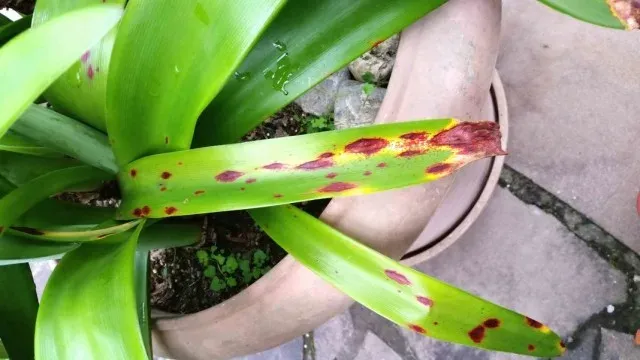
The first symptoms are characterized by small red spots or streaks on leaves and flower stalks. As the disease progresses, these spots expand, often becoming elliptical with a paler center.
Dark, minute dots (pycnidia) can often be observed within the discolored areas. These represent the active spore-producing stage of the fungal lifecycle.
Severe infections lead to the deformation and twisting of leaves. Flower stalks often develop large lesions, making them brittle and causing them to collapse or fail to open fully.
When examining the bulb, the scales may show deep red or brownish-red decay. If left untreated, the entire bulb may become soft, eventually turning into a pulpy, rotten mass.
Red blotch is distinct from other injuries because of the specific vibrant red pigment associated with the lesions, which is a defensive response of the plant to the fungal attack.
Pathogen
The causative agent of the disease is the fungus Didymella curtisii (synonym Stagonospora curtisii). This pathogen primarily targets the Amaryllidaceae family, leading to the condition known as red blotch or leaf scorch.
The fungus persists in the infected bulb scales and plant debris within the soil. It can remain dormant for extended periods, waiting for favorable conditions such as humidity and warmth to trigger the infection process.
The pathogen reproduces via pycnidia, which are tiny fruiting bodies that release spores. These spores are easily spread through water splashes, contaminated tools, or even direct contact during handling.
The fungal mycelium invades plant tissue, causing significant damage to the cellular structure. It disrupts photosynthesis and nutrient transport, severely weakening the bulb's ability to store energy for the next season.
Because the pathogen can penetrate deep into the bulb's neck and basal plate, it is considered a persistent and challenging infection to manage in indoor collections.
Conditions for development
High humidity and poor air circulation are the primary factors that facilitate the rapid spread of the fungus. Moisture sitting on the leaves for prolonged periods is ideal for spore germination.
Overwatering and poor drainage cause the soil to become waterlogged, which is detrimental to the bulb's health and provides a hospitable environment for Didymella curtisii.
Deep planting of bulbs, where the neck is buried too far into the soil, encourages the fungus to infect the most tender parts of the plant, starting the disease cycle from the base.
Temperature fluctuations and stress from low light conditions weaken the plant's natural defenses, making it much more susceptible to the fungal invasion.
Sharing tools between plants without proper sterilization allows the spores to transfer quickly, causing an outbreak across the entire collection.
Why it matters
The disease significantly diminishes the aesthetic value of ornamental plants, often rendering them unsuitable for display or gifting.
Floral development is severely hindered; heavy infections often lead to a total cessation of flowering, as the fungus damages the developing flower buds inside the bulb.
Over time, the bulb loses its capacity to store nutrients, leading to stunted growth, yellowing foliage, and eventual death of the specimen.
The presence of this fungus in a collection poses a constant risk to healthy plants, necessitating the segregation of infected individuals to prevent a total loss.
Treatment is often lengthy and requires strict adherence to hygiene protocols, which can be taxing for the grower and may not always result in a full recovery of the bulb.
Protection
Prevention starts with sourcing healthy bulbs. Before planting, inspect every bulb for soft spots, red scarring, or unusual discolouration.
Fungicide treatments are essential for managing existing infections. Soaking bulbs in systemic fungicide solutions can help eliminate surface spores and prevent further deep-tissue development.
Ensure correct horticultural practices by using well-draining soil and preventing water from standing in the crown or the saucer beneath the pot.
If lesions are discovered, carefully excise the affected tissue back to clean, healthy white bulb material and treat the wound with a suitable antiseptic or fungicide paste.
- Sterilize tools after use on infected plants.
- Improve air circulation with fans or wider spacing.
- Remove and discard any heavily rotted bulbs.
- Apply preventative fungicide sprays during the active growing season.
Discussion
No discussions yet — be the first.