
Pseudoleptosphaeria
Pseudoleptosphaeria etheridgei
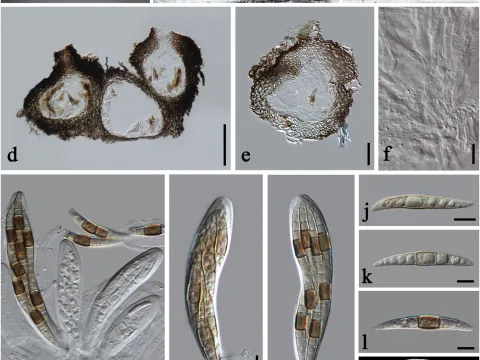
The fungus Pseudoleptosphaeria etheridgei is the primary pathogen responsible for this disease. It is a specialized ascomycete fungus that thrives in the xylem of coniferous tree species.
What the section contains
Pseudoleptosphaeria
The life cycle of this pathogen involves the production of pseudothecia within the host's wood tissues. These structures release spores that are easily spread by wind and water splash during favorable weather conditions.
Once inside the host, the fungus secretes specialized enzymes to degrade lignin and cellulose. This enzymatic activity is what leads to the characteristic discoloration and structural breakdown of the wood.
This pathogen is known for its ability to persist in woody debris for extended periods. This survival mechanism ensures that the inoculum remains present in the environment even when live hosts are scarce.
The fungus generally colonizes weakened or stressed trees, though it can become quite aggressive under optimal environmental conditions, significantly accelerating the rate of decay within the affected tissue.
The most distinctive symptom of pseudoleptosphaeria infection is a localized discoloration of the wood. Infected areas typically appear dark brown or black, standing out against the healthier wood tissue.
When observing a cross-section of a stem or branch, researchers often see a clear boundary line. This dark, well-defined zone separates the actively decaying tissue from the rest of the wood.
Affected trees often show signs of overall decline, such as yellowing needles or premature leaf drop. These symptoms are caused by the disruption of the vascular system, preventing water flow to the upper parts of the tree.
In advanced stages, the bark may exhibit cracking or sunken lesions. Resin exudation is a common defense response, but it often fails to stop the internal spread of the fungal mycelium.
The presence of minute, black fruiting bodies on the surface of the bark or exposed wood is a clear indicator of the pathogen. These structures confirm that the fungus is in a reproductive stage.
The primary concern regarding this pathogen is the loss of wood structural integrity. Significant decay makes affected trees prone to breakage, creating a hazard in both forest and urban settings.
Economically, the impact is severe as the timber quality is significantly degraded. Infected wood is unsuitable for high-value construction or carpentry uses, leading to financial losses in forestry.
In addition to structural damage, the disease hampers the physiological processes of the tree. Reduced water and nutrient transport leads to inhibited growth and increased vulnerability to other environmental stresses.
The presence of the fungus facilitates the secondary infestation by bark beetles and other wood-boring insects. These pests further accelerate the mortality of the already weakened tree.
For nurseries, this disease can cause high mortality rates among young seedlings. Losing entire batches of young conifers poses a major threat to reforestation efforts and the decorative plant industry.
Sanitation is the most effective management strategy. Removing and destroying infected branches and dead trees helps reduce the amount of inoculum available to spread to healthy plants.
Promoting overall tree vigor is crucial for prevention. Providing adequate space, water, and nutrients reduces tree stress and allows the plant to better defend itself against fungal attacks.
Chemical control via fungicides may be applied in nursery settings to protect young plants. However, these treatments should be combined with proper cultural practices to ensure long-term success.
Preventing physical injury to the trees is essential, as bark wounds serve as primary infection courts for fungal spores. Care should be taken during pruning and other forest maintenance operations.
Regular monitoring of forest plots is necessary to detect infections early. Proactive identification and subsequent removal of symptomatic trees are vital to protecting the overall health of the forest stand.