
Pseudoomphalina
Pseudoomphalina
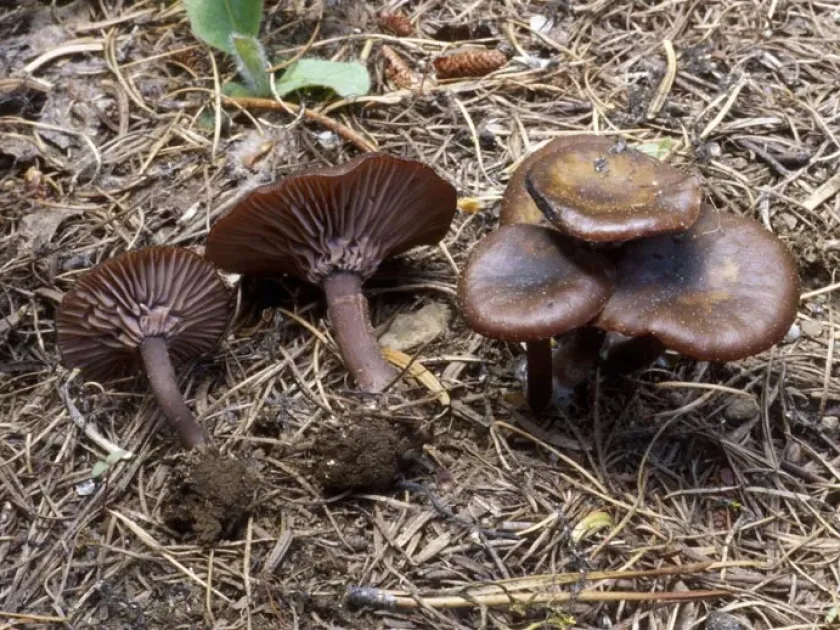
Description
Pathogen
Pseudoomphalina is a genus of fungi, certain species of which are identified as phytopathogens that can affect various plants. Classified as basidiomycetes, these fungi often inhabit forest debris but can switch to a parasitic mode when conditions facilitate infection.
The pathogen spreads primarily through basidiospores that are easily dispersed by wind and water splashes. Once landing on a susceptible host, the mycelium penetrates tissues, utilizing enzymatic processes to degrade cell walls and absorb essential nutrients.
The biology of Pseudoomphalina allows it to persist as a saprotroph in soil and organic matter. This dual-lifestyle strategy ensures that the fungus can survive periods without a host, maintaining a constant infectious presence.
The mycelium network can expand significantly, colonizing plant roots and lower stems. By colonizing these areas, the fungus disrupts the host plant's ability to transport water and minerals effectively.
Understanding the life cycle of this pathogen is crucial for plant health. It typically thrives in ecosystems with high organic content, transitioning to pathogenic behavior when plant stress levels are elevated.
Conditions for development
The development of Pseudoomphalina is heavily dependent on moisture. Excessive humidity in the air and waterlogged soil conditions provide the necessary environment for the germination of spores and subsequent mycelial growth.
Optimal growth temperatures for this fungus generally fall within the +15°C to +22°C range. Fluctuations in temperature combined with high humidity create a cycle of infection that is difficult to stop without intervention.
Poor ventilation in dense plantings significantly contributes to the spread of the pathogen. When air circulation is restricted, localized humidity levels rise, creating a microclimate that is perfect for fungal proliferation.
Accumulations of leaf litter and other organic residues act as a primary reservoir for the fungus. These materials provide a stable base for the pathogen to multiply before attacking nearby healthy vegetation.
Improper fertilization, particularly high nitrogen levels, can lead to the production of succulent, fragile plant tissues that are more susceptible to fungal penetration and colonization.
Why it matters
The harmful impact of Pseudoomphalina manifests as a severe disruption of the host plant's metabolic functions. The fungus effectively competes with the plant for nutrients, leading to growth retardation and stunted development.
Infected plants often exhibit signs of wilting and chlorosis, even when provided with adequate water. This occurs because the fungus damages the root system or the vascular tissues at the base of the stem.
The economic impact of this disease is observed in reduced yield and compromised plant quality. In nurseries, it can lead to high mortality rates among seedlings, resulting in significant financial losses for growers.
Affected plants are often prone to secondary infections, as their natural defense mechanisms are weakened by the ongoing fungal attack. This can lead to a complex disease scenario that is harder to treat.
Visible symptoms such as necrotic lesions or patches of mycelial growth can render ornamental plants unsalable, causing further losses in the horticultural sector.
Protection
The primary control measure for Pseudoomphalina is strict sanitation. Removing and destroying infected plant debris is essential to eliminate the source of spores and prevent reinfection in the next cycle.
Improving air circulation through careful spacing and regular pruning is critical. These practices reduce the humidity around the plants, making it harder for the fungus to establish itself.
Biological control using antagonistic organisms, such as beneficial fungi or bacteria applied to the soil, can help suppress the population of the pathogen and strengthen the plant's rhizosphere.
When the infestation is severe, systemic fungicides specifically targeting basidiomycetes should be employed. It is important to rotate products to prevent the development of resistance in the fungal population.
- Regular monitoring of fields and nurseries for early signs of infection.
- Enhancing soil drainage to avoid water stagnation.
- Promoting plant health through balanced nutrition to boost natural resistance.
Discussion
No discussions yet — be the first.