
Pseudopestalotiopsis
Pseudopestalotiopsis
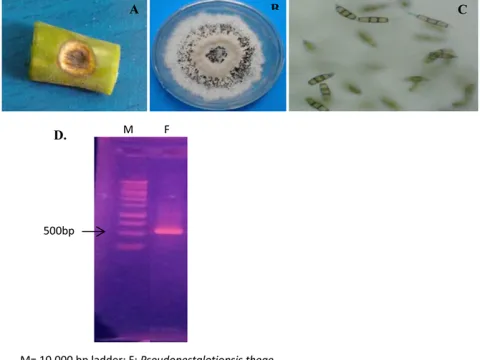
The disease is caused by the fungus Pseudopestalotiopsis, which belongs to the class Ascomycota. These fungi were previously grouped within the broader Pestalotiopsis genus, but recent phylogenetic studies have clarified their distinct taxonomic status.
What the section contains
Pseudopestalotiopsis
These pathogens function as opportunistic parasites or saprotrophs, capable of surviving on both healthy host tissue and decaying organic matter found in the garden environment.
Dissemination of the pathogen occurs via conidia, which are specialized spores equipped with appendages that facilitate attachment to plant surfaces, particularly under humid or wet conditions.
The fungus persists in the environment by overwintering within dead plant debris, bark, or fallen leaves, maintaining its viability throughout the dormant season to re-emerge in spring.
Infection entry points typically include wounds from pruning, insect damage, natural openings such as stomata, or cracks caused by environmental stress like freeze-thaw cycles.
The primary symptom is the appearance of small, chlorotic spots that progressively turn brown or grey, often surrounded by a distinct halo or margin that separates the necrotic area from healthy tissue.
Small black structures, known as acervuli, develop on the surface of the lesions. These are the fruiting bodies of the fungus and serve as the main source of secondary inoculum during the growing season.
Young shoots may experience wilting and dieback, which can be misidentified as drought stress; however, the presence of localized necrotic spots confirms a fungal etiology.
In conifers, the pathogen causes browning of needles or scales. This usually starts from the bottom of the plant or the interior of the canopy, where humidity levels are consistently higher.
Severe infestations often result in the formation of cankers on stems and branches, which impair vascular function and can lead to the total decline or death of the affected plant section.
Pseudopestalotiopsis thrives in environments with high relative humidity and frequent rainfall, as water droplets are essential for the effective germination and spread of fungal spores.
The fungus prefers temperate conditions, with an optimal growth temperature ranging from 18 to 25 degrees Celsius, matching the active growth phase of many ornamental and agricultural plants.
Poor airflow, often caused by excessive planting density or lack of pruning, creates a microclimate that keeps foliage wet for extended periods, significantly increasing infection risk.
Plants subjected to environmental stress—such as waterlogging, nutrient deficiencies, or heat stress—show significantly higher susceptibility to colonization by this opportunistic fungus.
Improper fertilization, particularly excessive nitrogen, encourages soft, succulent growth that is more easily penetrated by the fungal mycelium compared to toughened, well-hardened tissues.
The disease severely compromises the aesthetic value of plants, making them unsuitable for landscaping, decorative gardens, or high-quality nursery production.
In commercial nurseries, the infection can cause substantial economic losses by reducing the quality of stock or necessitating the mass destruction of infected plant batches.
Chronic infections deplete plant energy reserves, resulting in reduced vigor, stunted growth, and an overall decrease in the plant's ability to withstand winter conditions or secondary pest attacks.
Reduced photosynthetic efficiency, caused by the destruction of leaf tissue, hampers the plant's metabolic processes and weakens its ability to produce necessary defensive secondary metabolites.
Left unmanaged, the fungus can quickly spread throughout a collection of susceptible plants, leading to severe outbreaks that require long-term treatment or complete removal of the specimens.
Rigorous sanitation practices are the first line of defense; promptly removing and destroying infected plant parts is essential to break the disease cycle and reduce spore load.
Prophylactic application of copper-based fungicides is highly effective in preventing the germination of spores on external plant surfaces before infection can take hold.
For established infections, systemic fungicides including triazoles or strobilurins may be used to suppress mycelial growth within the host tissue and provide temporary protection.
Adopting proper cultural practices, such as maintaining adequate spacing for airflow, ensuring proper soil drainage, and providing balanced nutrition, helps enhance the host's natural resistance.
Always sterilize pruning tools between cuts using alcohol or bleach solutions to prevent mechanical transmission of the fungus from symptomatic to healthy plant tissues.