
Pseudonectria
Pseudonectria
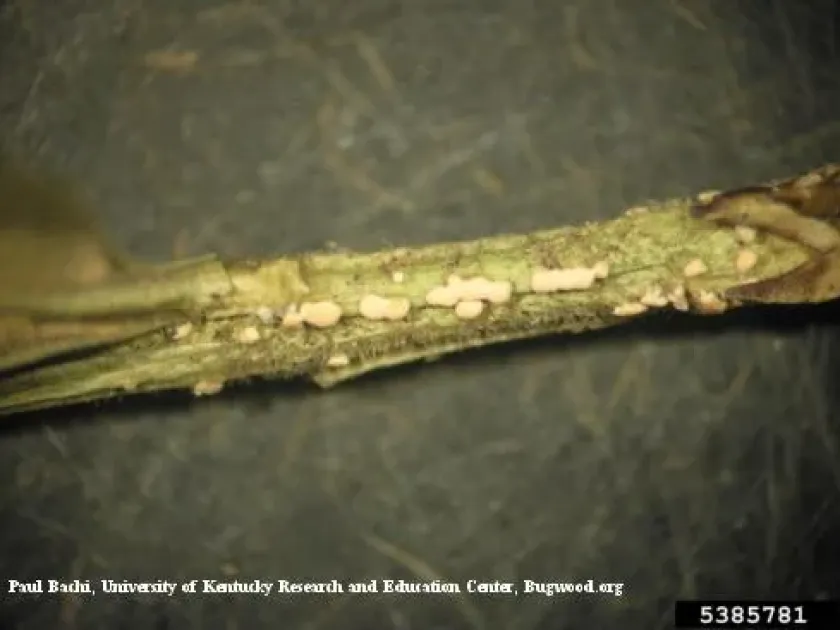
Description
Symptoms
The first sign of the disease is a color change in the foliage: leaves turn yellow or bronze and gradually wither away.
On the undersides of infected leaves and on young shoots, you can often see characteristic pink or salmon-colored spore pustules.
As the disease progresses, massive leaf shedding occurs, leading to bare branches and a complete loss of the plant's decorative appearance.
Infection often begins at the tips of shoots, which turn black and die back due to the obstruction of vascular tissues by the fungal mycelium.
- Yellowing and curling of leaves
- Appearance of pink fungal growth
- Dieback of shoot tips
- Severe leaf drop
- Necrosis of the bark
Pathogen
Pseudonectria, specifically the species Pseudonectria buxi (often identified by its anamorph Volutella buxi), is a dangerous fungal pathogen.
This microscopic fungus belongs to the Ascomycota class and specializes in infecting evergreen trees and shrubs, particularly boxwood (Buxus).
The pathogen persists in infected plant debris, fallen leaves, and damaged branches for extended periods, waiting for favorable conditions.
Infection spreads via spores dispersed by wind, rain splashes, or contaminated garden tools that have not been properly disinfected.
The fungus's life cycle is closely linked to the host plant's weakened immune system, making it highly aggressive in dense or poorly ventilated plantings.
Conditions for development
High humidity and moderate temperatures provide the ideal environment for the spores to germinate and infect new tissue.
Dense plantings with poor air circulation become primary hotspots for rapid infection spread.
Plants weakened by winter sunscald or frost damage are significantly more susceptible to the intrusion of Pseudonectria spores.
Excessive watering, especially overhead irrigation, creates lingering moisture on foliage, which facilitates the spread of the pathogen.
Mechanical injuries caused by pruning without subsequent antiseptic treatment create entry points for the fungus to penetrate the plant tissues.
Why it matters
Pseudonectria poses a severe threat to decorative gardens, especially boxwood collections, where it can destroy mature shrubs in a very short time.
The disease disrupts the photosynthetic processes, leading to general plant exhaustion and a significant reduction in annual growth.
Severe infestations often lead to a total loss of aesthetic value, necessitating radical pruning or the complete removal of the plant material.
The fungus can survive in the soil and on plant debris, turning the garden area into a long-term reservoir of infection for neighboring plants.
Economic losses include not only the replacement of dead plants but also significant costs for regular fungicide treatments and soil remediation.
Protection
The primary method of control is the санитарная pruning of all infected branches, followed by their immediate burning away from the site.
It is essential to carry out regular thinning prunings of shrubs to ensure proper air circulation through the canopy, preventing moisture buildup.
Preventive treatments with contact and systemic fungicides, such as copper-based products or specialized anti-fungal agents, show high efficacy.
Garden tools must be disinfected with alcohol solutions or disinfectants after every session involving infected plant material.
Strict adherence to cultural practices, including proper fertilization and avoiding excessive watering, significantly boosts natural plant resistance.
Discussion
No discussions yet — be the first.