
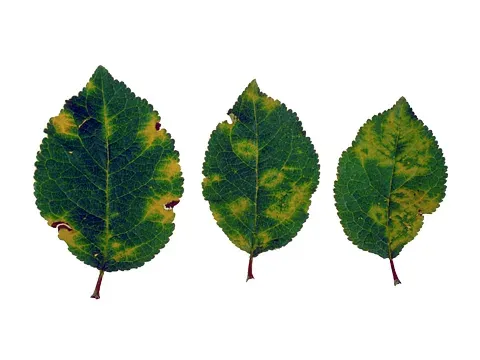
Plum pox
Plum pox
The causal agent of this disease is the Plum pox virus (PPV), a member of the Potyvirus genus. It is considered one of the most devastating viral diseases affecting stone fruit trees worldwide.
What the section contains
Plum pox
The virus particles are filamentous in shape and infect the host plant systemically. It primarily attacks species within the Prunus genus, including plums, apricots, peaches, and nectarines.
There are several distinct strains of the virus, each varying in its biological properties, host range, and the severity of symptoms produced in different environmental conditions.
The virus is transmitted by aphids in a non-persistent manner. This means that aphids can pick up the virus from an infected tree and transmit it to a healthy tree within seconds of feeding.
Human activity is a major driver of long-distance spread, primarily through the distribution of infected nursery stock, including scions, rootstocks, and young trees used for orchard establishment.
Initial symptoms are often observed on leaves in the spring. These include chlorotic spots, streaks, and rings patterns that create a characteristic mosaic or "plum pox" appearance on the foliage.
On the fruit, the symptoms are even more pronounced. Plums and apricots often develop deep indentations, irregular spots, and rings, which may result in significant fruit deformation and skin mottling.
In peaches, the disease manifests as misshapen fruits with rings on the surface. Importantly, the pits (stones) inside the fruit may also show distinct white or yellow patterns, which acts as a key indicator.
Trees infected with the virus often show a general decline in vigor. This is reflected in stunted growth, reduced leaf size, and a significant increase in premature fruit drop before reaching maturity.
In some cases, the virus may remain latent, meaning trees show no visible symptoms for extended periods. This makes the detection of the pathogen extremely difficult without molecular diagnostic methods.
The spread of Plum pox is highly dependent on the population dynamics of its aphid vectors. Warm spring weather followed by active insect growth cycles creates ideal conditions for virus transmission.
Proximity to other infected orchards or wild Prunus species is a major risk factor. Aphids can travel significant distances, carrying the virus from abandoned sites to healthy, commercial orchards.
Environmental conditions play a role in symptom visibility. Cool, moist spring conditions often favor the development of clear leaf symptoms, while high summer temperatures can sometimes mask these signs.
The density and age of the orchard impact the speed of infection. Denser orchards with young, actively growing trees are typically more susceptible to rapid viral outbreaks compared to older, established stands.
The lack of a permanent vector control strategy combined with the presence of multiple wild hosts allows the virus to persist in the landscape and continuously pressure cultivated orchards.
Plum pox is a major quarantine concern globally. It causes massive economic damage by rendering fruit unmarketable due to severe deformation, poor color, and altered flesh texture.
The virus causes severe yield reduction due to premature fruit drop. Affected fruits often have poor taste and biochemical quality, making them unsuitable for fresh consumption or industrial processing.
Infected trees lose their vigor and productivity over time, ultimately requiring removal. The mandatory destruction of infected orchards causes significant financial losses for producers.
Trade restrictions are often imposed on regions where the virus is present, limiting the ability of local growers to export stone fruit products to international markets.
Since there is no cure for an infected tree, the virus leads to long-term decline, forcing growers to invest in constant monitoring and replacement of trees, which impacts the sustainability of the orchard.
The most critical control measure is the use of healthy, certified, and virus-tested nursery stock. Planting material must come from nurseries that adhere to strict sanitary protocols.
Strict quarantine measures are essential to prevent the introduction of the virus into new areas. This includes restricting the movement of plant parts that could carry the pathogen.
Regular surveillance and diagnostic testing (such as PCR or ELISA) are necessary to identify and remove asymptomatic or infected trees as quickly as possible to prevent further spread.
Effective aphid control programs can help reduce the rate of virus spread, although they cannot completely prevent transmission due to the non-persistent nature of the virus.
Research into breeding and selecting resistant or tolerant Prunus varieties is a long-term goal for the agricultural sector to mitigate the impact of this disease on the industry.