
Plum rust
Tranzschelia pruni-spinosae
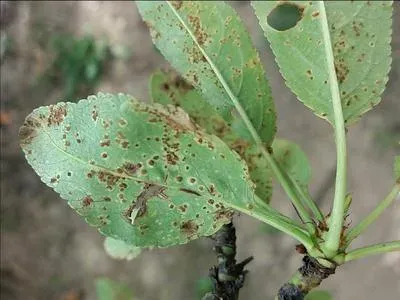
Description
Symptoms
Symptoms of plum rust typically appear in mid-summer, usually from June to July. The first signs are small, yellow or light brown spots on the upper surface of the leaves, which gradually expand and darken as the disease progresses.
On the underside of the leaves, characteristic rusty-colored pustules appear. These are clusters of urediniospores, which look like a fine orange powder when touched. This is the most reliable diagnostic feature of the infection.
As the infection intensifies, the leaves lose their green color, turn yellow, and eventually shrivel. This leads to premature defoliation, where trees shed their leaves long before the natural autumn period, severely impacting their overall health.
Fruit symptoms are less common but can occur in severe cases, appearing as small, dark, depressed spots. Such fruit loses market value, becomes less succulent, and is more susceptible to rot and secondary infections during storage.
The disease spreads from the lower branches upwards through the canopy. Infected trees show a distinct lack of vigor, stunted growth, and a generally sickly appearance compared to healthy neighboring trees.
Pathogen
The causative agent of plum rust is the heteroecious rust fungus Tranzschelia pruni-spinosae. Its life cycle involves alternating hosts, with Anemone species often acting as the alternate host, while Prunus species serve as the primary host for the pathogen.
This fungus is an obligate parasite, meaning it depends entirely on living plant tissues to survive. It colonizes the leaves of stone fruits such as plums, apricots, and peaches, absorbing nutrients and disrupting the plant's metabolic processes.
During the growing season, the fungus spreads via urediniospores, which are easily dispersed by wind. As the season progresses, teliospores are produced, which allow the pathogen to overwinter safely on fallen leaves or in the bark crevices of infected trees.
The biological adaptation of this pathogen is highly efficient, allowing it to remain dormant under adverse environmental conditions. With the return of warm and humid weather, the spores germinate, initiating new infection cycles in the orchard.
The fungus aggressively targets the foliage, where the mycelium grows and develops, eventually erupting through the leaf surface to release more spores. This rapid spread makes the disease difficult to manage if early symptoms are ignored.
Conditions for development
High humidity is the primary driver for plum rust development. Frequent rain, heavy morning dew, and persistent foggy conditions create an ideal environment for spore germination and rapid colonization of the foliage.
The optimal temperature range for the pathogen is between 18 and 22 degrees Celsius. Within this range, the incubation period is significantly shortened, which can lead to rapid epidemic spread across the orchard.
Dense, unpruned canopies are highly susceptible because they maintain high humidity and provide a sheltered environment for the fungus. Lack of airflow prevents the foliage from drying out, allowing the pathogen to thrive uninterrupted.
Poor orchard sanitation is a critical factor in disease persistence. Fallen leaves left on the ground provide a reservoir for the fungus to survive the winter, ensuring a ready source of inoculum for the following spring.
Inappropriate fertilization, especially excess nitrogen, promotes soft, succulent growth that is more easily penetrated by the fungal mycelium. Proper water management is essential to keep the trees resilient and less prone to infection.
Why it matters
The primary damage caused by plum rust is premature leaf loss, which drastically reduces the tree's photosynthetic capacity. This limits the energy available for fruit development and the formation of fruit buds for the following year.
Without sufficient energy, the tree cannot prepare for winter properly. This leads to poor wood maturation, making the branches and buds highly susceptible to frost damage during cold months.
Fruit yield is negatively impacted in both quantity and quality. Plums become smaller, have a lower sugar content, and suffer from poor shelf life, resulting in significant economic losses for fruit growers.
Long-term infestation weakens the tree's immune system, making it more vulnerable to other pathogens and pests. Over time, recurring infections can lead to the gradual decline and eventual death of the plum tree.
- Significant reduction in fruit crop yield.
- Severe loss of cold hardiness in trees.
- Premature defoliation during the peak growing season.
- Weakening of the plant’s natural immune system.
- Degradation of fruit quality and flavor.
Protection
Effective control starts with sanitation: raking and burning all fallen leaves in autumn is crucial to eliminate the source of overwintering spores. This simple step significantly reduces the infection pressure for the next season.
Pruning is essential to improve airflow and light penetration within the canopy. By opening up the tree structure, growers can ensure that foliage dries quickly after rain, which inhibits the conditions necessary for rust development.
Chemical control involves the application of fungicides. Copper-based products are often used for preventive purposes, while systemic fungicides (such as triazoles) provide effective protection during the growing season when applied correctly.
Timely application is vital, with treatments generally scheduled before and after bloom. It is important to rotate fungicide classes to prevent the fungus from developing resistance to the active ingredients.
Strengthening the tree through balanced nutrition, particularly with phosphorus and potassium, helps reinforce cell walls against fungal invasion. A healthy tree can better withstand environmental stress and suppress initial infections.
Discussion
No discussions yet — be the first.