
Pluteaceae
Pluteaceae
The Pluteaceae family consists of gilled mushrooms that play a significant role as decomposers within various ecosystems, including agricultural landscapes.
What the section contains
Pluteaceae
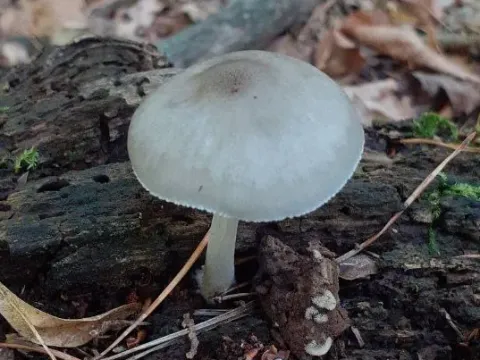
The most well-known genus within this family is Pluteus. These mushrooms are characterized by the absence of a universal or partial veil and the presence of free gills that often turn pink as the spores mature.
Biologically, these fungi are saprotrophs, meaning they obtain nutrients by breaking down non-living organic matter, primarily dead wood, through the secretion of specific enzymes.
It is important to emphasize that Pluteaceae are not plant pathogens. They do not attack healthy, living crops, as they lack the necessary mechanism to infect and compromise the immune systems of live plants.
Their presence in an agricultural setting is typically an indicator of the presence of decaying wooden materials such as logs, stumps, or woody debris buried in the soil.
Pluteaceae thrive in environments with high humidity and moderate temperatures, typically between 15°C and 25°C, which favor the growth of fungal mycelium.
They are commonly found in shaded areas where the substrate, such as logs or mulch, remains consistently damp, preventing the surface from drying out.
Rainy periods often trigger the mass emergence of fruiting bodies, as the increased moisture in the environment provides the necessary conditions for reproductive development.
Accumulations of organic matter, such as piles of wood chips, sawdust, or dead branches in orchards, serve as ideal substrates for the colonization of these fungi.
Good ventilation is a key factor that can limit the expansion of the fungal colony, as high humidity combined with stagnant air creates a perfect microclimate for these organisms.
Pluteaceae do not cause disease in agricultural crops. They pose no threat to the vitality, yield, or health of vegetables, fruits, or ornamental plants.
The primary concern regarding these fungi is the biological degradation of wooden structural elements in gardens, such as fencing, trellis supports, or raised garden beds made of untreated wood.
In some cases, the decomposition of large amounts of woody mulch can temporarily immobilize nitrogen in the soil, which might affect nearby plants, but this is a soil chemistry issue, not a direct fungal attack.
Farmers and gardeners should distinguish between these beneficial saprotrophs and harmful parasitic fungi, such as wood-decay pathogens that target living trees.
Overall, Pluteaceae contribute to soil enrichment by breaking down woody cellulose and lignin into humus, thus indirectly benefiting soil health over time.
No chemical fungicides or specialized control measures are required for Pluteaceae, as they do not constitute a plant health risk.
To prevent their growth on non-target wooden structures, it is recommended to use pressure-treated lumber or apply wood preservatives to prevent decay.
General orchard and garden maintenance, such as the removal of old stumps and clearing away large woody debris, will naturally reduce the sites available for fungal colonization.
If you prefer to limit the number of mushrooms in your garden, focus on improving drainage and airflow to reduce the moisture level of the substrate.
- Removal of stumps and decaying branches.
- Improving soil aeration and drainage.
- Using treated wood for outdoor structures.
- Maintaining proper spacing between plants to improve airflow.