
Wasabi phoma rot
Plenodomus wasabiae
The causative agent of wasabi phoma rot is the fungus Plenodomus wasabiae (formerly known as Phoma wasabiae). It is a highly specialized pathogen that specifically targets the Brassicaceae family, particularly cultivated wasabi.
What the section contains
Wasabi phoma rot
The fungus propagates through the production of pycnidia, small flask-shaped fruiting bodies that contain conidia. These spores are released under moist conditions and serve as the primary source of secondary infection in the field.
The pathogen can survive in soil or on crop debris for several years as mycelium or chlamydospores, making it a persistent threat to wasabi cultivation sites.
The life cycle of Plenodomus wasabiae is heavily dependent on moisture. Since wasabi is often grown in wet or semi-aquatic environments, the water flow effectively disseminates the spores across the entire plot.
As an obligate-like pathogen, it has evolved to bypass the natural defenses of the wasabi plant, making it one of the most challenging biological threats for growers to manage.
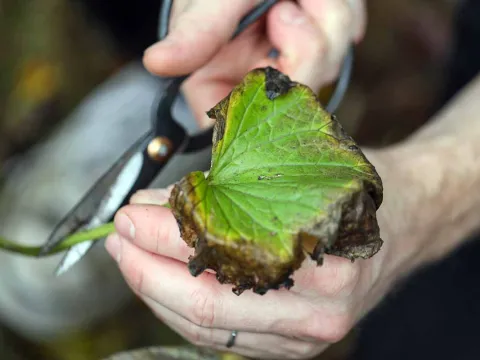
The first signs of phoma rot appear as small, chlorotic spots on the leaves. As the disease progresses, these spots expand, turn brown, and develop a distinct dark margin around the necrotic area.
Under close inspection, especially on the underside of leaves or along the petioles, tiny dark specks appear. These are the pycnidia, which provide a clear diagnostic marker for identifying the fungus.
As the infection spreads to the petioles and stems, the leaves begin to wilt, turn yellow, and eventually die. If environmental conditions remain humid, the affected tissues start to show signs of soft decay.
The most severe impact is seen on the rhizomes, where the disease causes dark, sunken necrotic lesions. If left unchecked, the inner tissue of the rhizome breaks down into a mushy, discolored mass.
Affected plants often show stunted growth and poor root development, eventually leading to premature death of the entire plant if the fungal colonization of the rhizome is extensive.
High relative humidity and frequent water splashes are the main catalysts for the germination of Plenodomus wasabiae spores. A wet canopy is ideal for infection to begin.
The fungus thrives in cooler temperature ranges, typically between 15°C and 22°C. These temperatures are common in many wasabi-growing regions, facilitating rapid fungal colonization.
Crowded planting density restricts airflow and increases the local humidity, allowing the fungus to spread rapidly from plant to plant through irrigation water or rainfall.
Poor soil drainage creates an environment where the fungus can persist and attack the roots more easily, especially when plants are already stressed by waterlogging.
Contaminated equipment or the movement of soil by workers can introduce the pathogen into healthy parts of the plot, creating new infection foci throughout the growing season.
Phoma rot is economically devastating because it targets the rhizome, which is the primary product of wasabi cultivation. Even moderate infections can render the crop unsalable.
Once established, the pathogen is extremely difficult to eradicate from the soil. This often forces growers to abandon infected fields or transition to other crops for extended periods.
The infection significantly reduces the quality of the wasabi, including its characteristic pungency and texture, which are critical parameters for the premium culinary market.
Secondary infections by opportunistic bacteria often follow the primary phoma attack, accelerating the rot process and making it impossible to harvest any part of the affected rhizome.
High production losses lead to significant financial setbacks for farmers, requiring increased investment in disease prevention and specialized soil treatments.
Strict hygiene and the use of pathogen-free seedlings are the most effective prophylactic measures. Always inspect new planting material for any signs of leaf spotting or root discoloration.
Implement long-term crop rotation. Avoid planting wasabi or other cruciferous crops on fields where phoma rot has been detected for at least 4 to 5 years.
Ensure proper drainage and water management. Reducing the amount of stagnant water around the root zone is crucial to preventing the conditions necessary for spore germination.
Early identification and removal of infected plants are essential. Pulling out diseased plants along with the surrounding soil can help limit the spread of the pathogen to neighboring crops.
While chemical control is limited, localized applications of authorized systemic fungicides may be used as a last resort, provided that all regulatory guidelines and environmental standards are followed.