
Water lily anthracnose
Colletotrichum nymphaeae
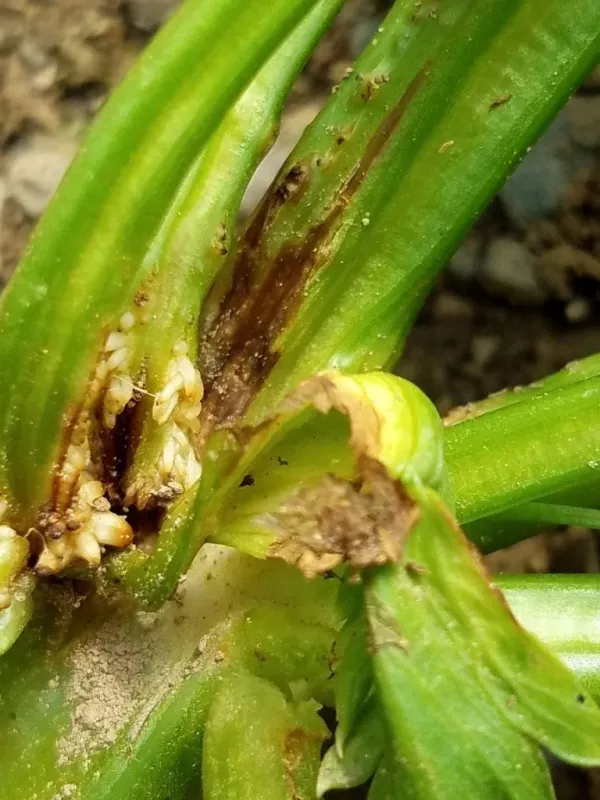
Description
Symptoms
The first signs of water lily anthracnose are the appearance of circular spots on the leaf surface. Initially small, these spots gradually enlarge and often develop a light tan or gray center surrounded by a distinct dark margin.
As the infection progresses, small cushion-like structures known as acervuli form within the spotted areas. These structures contain fungal spores and may appear pinkish or yellowish, especially in humid conditions.
Affected leaves eventually yellow, curl, and decay, significantly reducing the plant's aesthetic value. If the infection spreads to the petioles, they can become soft, mushy, and eventually collapse, causing the leaves to detach.
In severe cases, flowers may also show symptoms, including dark spotting on the petals and failure to open fully. This distortion of the blooms severely affects the decorative performance of the water lilies in a pond environment.
Ultimately, the continuous tissue necrosis weakens the plant's root system. The plant fails to store enough energy for the next season, leading to a stunted growth cycle and potentially total collapse.
Pathogen
The causative agent of this disease is the pathogenic fungus Colletotrichum nymphaeae. It is a specialized pathogen that has evolved to infect plants within the Nymphaeaceae family, particularly water lilies.
The fungus reproduces through conidia, which are easily dispersed in water. When a diseased leaf comes into contact with a healthy one, the spores transfer quickly, spreading the infection throughout the pond.
The pathogen can survive the winter by remaining in decaying plant debris that settles at the bottom of the pond. This accumulation of organic matter serves as a primary inoculum source for subsequent growing seasons.
The life cycle is characterized by the penetration of the fungus into the plant's epidermal cells. Once inside, the mycelium grows and exploits the host's tissues, eventually erupting through the surface to release new spores.
Microscopic examination of the infected areas reveals the presence of acervuli, which are key to the fungus's successful reproduction. These structures are highly efficient at releasing large numbers of spores into the surrounding water.
Conditions for development
The development of anthracnose is heavily favored by stagnant water conditions. A lack of adequate circulation in a pond prevents the dilution of fungal spores and increases the probability of them landing on healthy tissue.
High water temperatures and elevated humidity levels during the summer months act as catalysts for the disease. These environmental conditions are ideal for the rapid sporulation of Colletotrichum nymphaeae.
Overcrowded aquatic plantings limit airflow and sunlight penetration to the leaf surface. This creates a moist microclimate that allows the fungus to thrive and colonize the leaves more effectively.
Imbalanced nutrient levels, particularly an excess of nitrogen, can cause plants to produce soft, succulent growth. This weak tissue is significantly more susceptible to the penetration of the fungal mycelium.
Mechanical injuries to the leaves, caused by aquatic fauna or maintenance activities, provide easy entry points for the pathogen. Once a lesion is established, the infection can rapidly spread to healthy surrounding areas.
Why it matters
The primary harm caused by this disease is the degradation of the visual appeal of a pond. Heavily spotted and decaying leaves are considered unsightly, which is detrimental to the purpose of ornamental gardening.
The reduction in photosynthetic surface area limits the plant's ability to produce energy. As a result, the rhizomes become depleted, making it difficult for the water lily to survive through the winter dormancy period.
Invasive infections can jeopardize an entire collection of pond plants. This poses a significant challenge for professional growers who must cull infected materials to prevent the spread of the pathogen.
The loss of blooming potential is another significant impact of the disease. A stressed plant will prioritize its survival over reproduction, leading to fewer and less vibrant flowers throughout the season.
Because chemical control in ponds is restricted by the presence of fish and other beneficial organisms, managing anthracnose often requires labor-intensive manual methods and potential loss of plants.
Protection
The most important control measure is the early removal and destruction of all infected leaves. By preventing the debris from reaching the pond floor, you significantly reduce the amount of inoculum available for the next season.
Ensure that water lilies are planted with adequate spacing. Proper water circulation and sunlight exposure help keep leaves dry and discourage the rapid establishment of fungal infections.
For decorative ponds with aquatic life, biological control agents such as Bacillus subtilis can be used to suppress fungal growth safely. These treatments are often effective when applied as a preventative measure.
When dealing with severe infestations, some gardeners choose to remove affected plants for localized treatment in isolated containers. This prevents the further spread of spores within the main pond ecosystem.
Maintaining high water quality and regular pond maintenance are key to disease prevention. Always sanitize pruning tools between uses to ensure that the fungus is not accidentally transported to healthy water lilies.
Discussion
No discussions yet — be the first.