
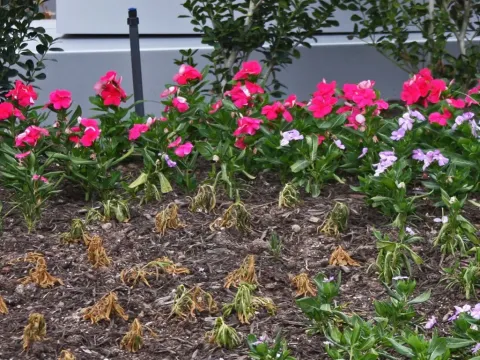
Ornamental Phytophthora
Phytophthora ornamentata
Phytophthora ornamentata is a specialized oomycete that acts as a serious pathogen in the nursery industry. Unlike true fungi, it belongs to a group of organisms that are biologically closer to algae, which explains its reliance on water for dispersal.
What the section contains
Ornamental Phytophthora
The pathogen is known for its ability to infect a wide variety of ornamental species. It creates complex infection cycles, often surviving in soil or potting media for many years, waiting for the right environmental conditions to strike.
The life cycle involves the production of motile zoospores, which can swim through films of water to reach the host plant's roots. This mobility allows the pathogen to travel rapidly between containers in a greenhouse setting.
Inside the plant, the pathogen forms extensive mycelia that colonize the root and stem tissues. This causes a complete breakdown of the plant's hydraulic system, preventing water and nutrient uptake, leading to the rapid decline of the host.
As a highly regulated pathogen, it is subject to strict monitoring in many regions. Early detection via laboratory analysis is essential, as the symptoms are often confused with simple overwatering or physiological stress.
The first outward sign of Phytophthora ornamentata infection is usually a subtle loss of vigor. Plants may look slightly wilted during the hottest part of the day, even if the soil is adequately moist, indicating that the roots are failing.
As the disease progresses, the foliage often shows symptoms of nutrient deficiency, such as chlorosis, due to the compromised root system. Leaves may also drop prematurely, and the overall growth of the plant becomes significantly stunted.
A closer look at the root system reveals a distinct change in color. Healthy white roots turn to dark brown or black, showing a soft, mushy, or rotted texture. This decay often spreads upward toward the crown of the plant.
In many woody ornamental species, a visible lesion or sunken canker may appear at the base of the stem. This "collar rot" effectively girdles the plant, cutting off the flow of resources and leading to swift death.
- Wilting during high temperatures despite moist soil.
- Dark brown or black root rot.
- Chlorosis and premature leaf abscission.
- Sunken stem lesions near the soil line.
- Rapid overall decline and death.
Water management is the most critical factor influencing the development of Phytophthora ornamentata. Saturated soils or potting media provide the necessary aquatic environment for zoospores to move and colonize new roots.
The pathogen thrives in moderate to warm temperatures, which are typical for active greenhouse production cycles. These conditions allow for rapid reproduction and can lead to an outbreak in a matter of days if left unmanaged.
Poor air circulation and dense canopy spacing can increase humidity levels at the soil surface. This moisture is ideal for the pathogen and makes it easier for spores to persist or spread between adjacent containers.
Irrigation sources can be major pathways for infection. Contaminated surface water, such as pond water used for irrigation, often harbors oospores or zoospores, introducing the pathogen directly into the production area.
Sanitation practices are key in preventing favorable conditions. Residual organic matter, uncleaned tools, and lack of drainage create persistent habitats for the pathogen to thrive and re-infect new crop cycles.
The economic impact of Phytophthora ornamentata on the ornamental industry is profound. Entire batches of nursery stock can be lost, leading to significant financial loss and loss of valuable breeding material.
The pathogen’s high level of contagiousness means that even small initial infections can result in massive losses across a facility. This necessitates strict quarantine measures, which disrupt standard business operations.
Market reputation is at stake when a nursery releases infected plants. Customers expect healthy, disease-free materials, and an outbreak can permanently damage the nursery's standing in the professional landscaping market.
Beyond the direct loss of plants, the cost of managing an outbreak is high. Frequent fungicide applications, laboratory tests, and the labor required to sanitize entire growing areas add significant overhead costs to production.
In some cases, the pathogen can force a nursery to stop producing certain highly susceptible species. This limits product diversity and forces changes in the nursery's overall commercial strategy.
The most effective strategy for managing this pathogen is prevention. This includes the exclusive use of clean, pathogen-free growing media and certified plant material to prevent the initial introduction of the organism.
Optimizing irrigation and drainage is essential. Using raised benches, adequate container drainage, and precise irrigation scheduling prevents the formation of water films that the pathogen requires to infect hosts.
Strict sanitation protocols must be enforced. This includes disinfecting tools with bleach or quaternary ammonium solutions, cleaning greenhouse floors, and ensuring that employees do not track soil from infected areas into clean zones.
Chemical control involving fungicides like mefenoxam or fosetyl-aluminum is used to protect high-value crops. These products inhibit oomycete growth but should be used as part of an integrated program to avoid resistance.
Infected plants should be immediately rogued and destroyed, including the surrounding soil. This removal prevents the buildup of inoculum in the nursery, which is crucial for protecting the health of the remaining crop.