
Ostracoderma pulvinatum
Ostracoderma pulvinatum
The pathogen is known as Ostracoderma pulvinatum, a fungus often associated with the Botryotrichum genus in soil ecology. It functions primarily as a soil-borne opportunist, thriving in environments rich in decaying organic matter.
What the section contains
Ostracoderma pulvinatum
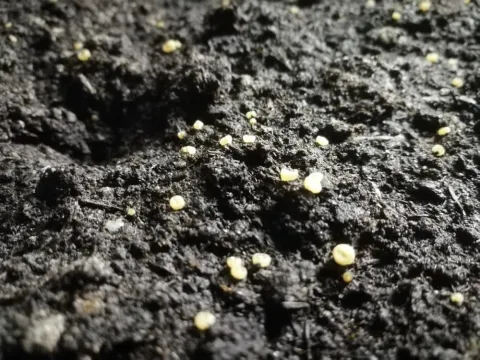
The mycelium of the fungus is highly adaptive and grows vigorously in the upper soil horizons. It is characterized by the production of dense, cushion-like sporulation structures that give the disease its distinctive appearance.
These cushion-like structures are essentially massed collections of spores, which provide the pathogen with an effective mechanism for surviving adverse environmental conditions, such as drought or chemical fluctuations.
As a pathogen, it is particularly skilled at degrading cellulose and other plant-based materials. While it prefers dead organic matter, it easily colonizes living tissues if the plant's natural defenses are compromised.
The biological success of the fungus is rooted in its ability to rapidly multiply under high-moisture conditions, allowing it to dominate the local micro-flora of the soil surface.
The most diagnostic feature is the formation of white, gray, or dark-colored cushion-like fungal growths on the surface of plant parts, typically near the root collar or on lower foliage.
Affected tissues often display a softening or decaying appearance. As the fungus secretes enzymes, the integrity of the plant cell walls is broken down, leading to localized necrosis or rot.
In seedlings, the infection often manifests as damping-off. The stem at the soil line becomes weakened, and the seedling collapses, appearing stunted or necrotic at the base.
Root systems of infected plants often show dark discoloration and disintegration. When examined under magnification, the fungal cushions appear as small, velvety, compact structures attached to the epidermis.
In later stages of the disease, the entire plant may show signs of yellowing and wilting as the vascular system becomes disrupted by the fungal invasion, preventing the transport of water and nutrients.
The development of Ostracoderma pulvinatum is strictly correlated with high humidity levels. Environments with sustained soil moisture above 70% create the ideal conditions for spore germination.
The fungus performs optimally within a temperature range of +18°C to +26°C. While it can survive at lower temperatures, its pathogenic activity and rate of spread accelerate significantly as temperatures rise.
Poor ventilation in greenhouses or dense canopy closure in field crops traps moisture, facilitating the rapid spread of spores from the soil to the leaves and stems of host plants.
Soil that is high in fresh, uncomposted organic matter is a magnet for this pathogen, as it provides an unlimited food supply for the fungus to increase its population density before attacking living plants.
Low light levels, which lead to etiolated and physically weaker seedlings, increase the plant's susceptibility to initial colonization by the fungal hyphae.
The primary damage is caused by the systemic decay of root and lower stem tissues, which directly results in reduced crop stands and significant yield losses for growers.
Marketability is severely impacted if the fungus infects the harvestable parts of produce, such as root vegetables or tubers, causing post-harvest decay that spreads rapidly during storage.
In nursery settings, the pathogen can cause complete crop failure of entire trays of plants within days, leading to direct economic losses and the need for costly remediation efforts.
The presence of the fungus in the soil leads to a persistent "sick soil" effect. This makes subsequent planting cycles highly risky, as the inoculum pressure builds up over time if not treated.
Plant development is severely restricted as the infection reduces the overall capacity of the root system to absorb essential water and nutrients during critical growth phases.
Integrated pest management strategies must prioritize improving soil aeration and drainage. Reducing the frequency of irrigation can significantly inhibit the fungal growth cycle.
Crop rotation remains the most effective long-term strategy. Avoiding the planting of susceptible crops in infested soils for multiple seasons helps deplete the fungal inoculum.
Seed treatment with professional-grade fungicides provides an initial shield, ensuring that seedlings can establish a healthy root system before being exposed to potential soil pathogens.
The introduction of beneficial soil microbes, particularly Trichoderma species, can act as a natural biological control agent, suppressing the growth of Ostracoderma by competition.
- Promptly remove and destroy infected plant debris to prevent spore release.
- Implement deep plowing to bury infested organic matter and promote faster decomposition.
- Maintain optimal plant spacing to ensure air circulation and reduce humidity at the base.
- Use sterile growth media in containerized plant production to prevent initial contamination.