
Ossicaulis
Ossicaulis
The genus Ossicaulis consists of saprotrophic fungi that belong to the Basidiomycota phylum, functioning primarily as wood decomposers.
What the section contains
Ossicaulis
The most notable species, Ossicaulis lignatilis, acts as a pathogen capable of inducing white rot, a process characterized by the degradation of lignin and cellulose.
Unlike some aggressive pathogens, this fungus often colonizes trees that are already physiologically stressed or have sustained mechanical damage.
The mycelium grows through the woody tissue, slowly consuming its structural components and weakening the tree's internal architecture over several years.
The fungus produces visible basidiocarps (fruiting bodies) that release spores into the environment, allowing it to propagate across wide distances via wind currents.
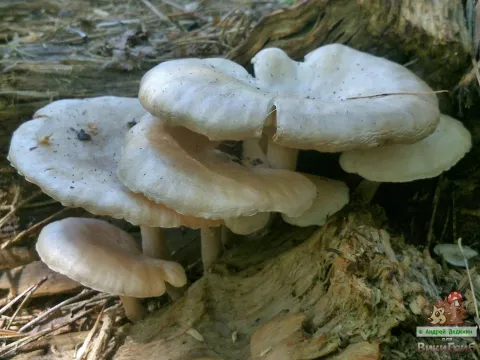
The most diagnostic sign of an Ossicaulis infection is the presence of clusters of small, fleshy, pale-colored mushrooms growing from the bark.
Upon inspecting the wood, infected areas often appear bleached, fibrous, and abnormally soft to the touch compared to healthy tissue.
A hollow sound when tapping the trunk indicates internal wood decay, confirming that the fungus has reached deep into the heartwood of the tree.
Leaves on infected branches may exhibit chlorosis or premature senescence due to the impairment of the tree's nutrient and water transport systems.
In advanced stages, the bark may peel away, revealing dense white mycelial mats that indicate significant colonization of the subcortical tissue.
Ossicaulis thrives in moist, shaded environments where the bark remains damp for extended periods, creating an ideal substrate for fungal growth.
Wounds, pruning cuts, or frost cracks act as primary entry points, allowing fungal spores to bypass the tree's natural protective bark barriers.
Moderate temperatures and poor air circulation within the tree canopy favor the development of the pathogen, especially in dense planting schemes.
Proximity to decaying organic matter, such as old stumps or fallen logs, provides a continuous source of inoculum that can infect living trees.
Trees suffering from drought stress or nutrient deficiencies are significantly more susceptible to colonization as their immune systems are compromised.
The primary hazard posed by Ossicaulis is the significant reduction in structural integrity, which creates a severe risk of tree collapse or windthrow.
The fungus inhibits the tree's ability to circulate water and sap, leading to stunted growth, reduced yields, and eventual dieback of entire branches.
Infected wood loses all commercial value and becomes hazardous to handle, as it may crumble under pressure, making maintenance difficult.
The accumulation of spores creates a high risk of spread to healthy individuals in the area, potentially leading to widespread orchard or forest decline.
Once a tree is heavily colonized, recovery is rarely possible, often necessitating complete removal to eliminate the source of the infection from the site.
Rigorous orchard hygiene, including the removal of dead stumps and diseased limbs, is the most effective way to limit the presence of the pathogen.
Always apply professional-grade wound sealants to any cuts larger than a few centimeters to prevent airborne spores from germinating on fresh wood.
If fungal bodies appear, they should be removed and disposed of through burning or deep burial to stop the local dispersal of microscopic spores.
Maintain tree health through balanced fertilization and proper irrigation, ensuring that trees possess the vigor to resist potential fungal attacks.
In high-risk areas, regular inspection of tree trunks should be conducted to detect early signs of decay before the infection reaches the structural core.