
Ostracoderma
Ostracoderma
Description
Symptoms
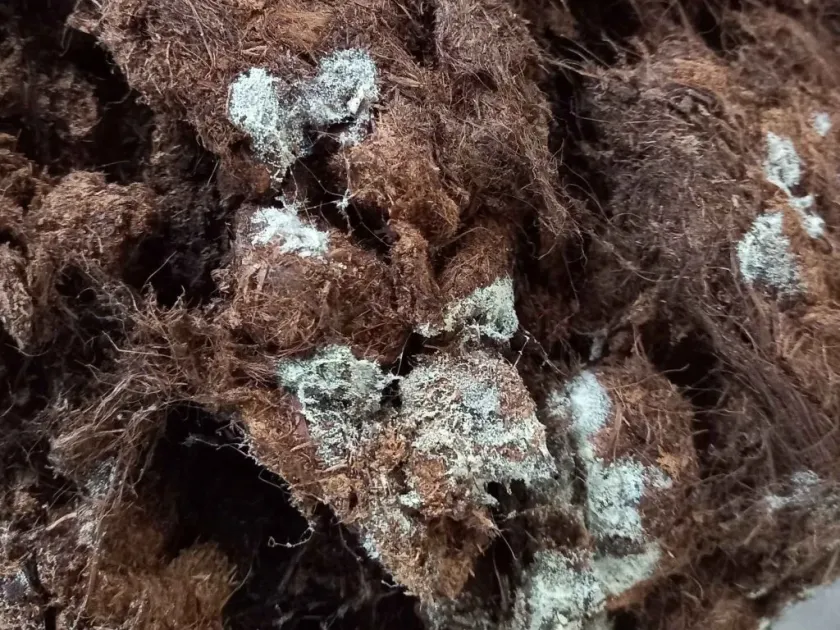
The most distinct symptom of Ostracoderma infection is a dense, whitish or creamy, powdery growth on the surface of the soil or the base of the plant stem.
Infected seedlings often show signs of stunted growth, loss of turgor, and overall wilting, even when soil moisture appears adequate for plant needs.
The tissues at the root collar may become soft, discolored, or necrotic, as the fungus penetrates the epidermal layers of the seedling.
In advanced cases, the fungal mycelium creates a felt-like mat that can physically obstruct the emergence of new root systems and limit nutrient uptake from the substrate.
Observation of young plants often reveals that those infected fail to recover from minor stressors, eventually leading to collapse and mortality within the affected crop rows.
Pathogen
Ostracoderma is a genus of fungi often associated with soil-borne plant diseases. The species Ostracoderma epigaeum is the most frequently cited pathogen in agricultural studies regarding this condition.
This fungus acts as a facultative parasite, primarily living as a saprophyte on decaying organic matter within the soil or substrate but capable of infecting weakened plant tissues.
The pathogen develops an extensive mycelial network that can rapidly colonize the substrate surface, effectively outcompeting beneficial soil microbes and hindering root health.
The fungal life cycle relies on the production of spores that are easily dispersed through water, contaminated tools, or air circulation within enclosed growing environments.
It thrives in nutrient-rich organic substrates, making it a particularly troublesome pathogen in nurseries and intensive greenhouse horticultural operations.
Conditions for development
High moisture levels in the substrate are the primary catalyst for the development of Ostracoderma, as the fungus requires a saturated environment for optimal mycelial expansion.
Moderate temperatures ranging from 15°C to 22°C provide the ideal thermal window for spore germination and rapid colonisation of the host tissue.
Poor ventilation and compacted soil conditions prevent proper aeration, favoring the development of the pathogen by creating stagnant zones within the growing media.
The introduction of non-sterilized organic components, such as manure or peat, significantly increases the risk of contamination in greenhouse settings.
Lack of environmental control, specifically high relative humidity coupled with stagnant air, facilitates the rapid spreading of fungal spores across greenhouse benches.
Why it matters
The economic impact of Ostracoderma is primarily manifested through significant seedling mortality, which can compromise the planned density of a commercial crop.
Infected plants that survive exhibit reduced vigor, which often leads to inconsistent maturity and lower fruit or vegetable quality at harvest time.
Significant costs are incurred due to the necessity of replacing contaminated substrates and implementing rigorous disinfection protocols to prevent recurring outbreaks.
The disease creates a favorable environment for secondary bacterial infections, which can worsen the overall health of the crop and complicate the recovery process.
Losses are further compounded by the reduced marketability of stunted seedlings, which may be deemed unsuitable for sale or field planting due to lack of health and vigor.
Protection
Preventative management is key, starting with the use of sterilized substrates and the implementation of strict sanitation procedures for all nursery equipment and tools.
Proper water management is essential; growers must ensure adequate drainage and allow the top layer of the substrate to dry between irrigations to discourage fungal growth.
Early intervention is crucial: as soon as the first signs of the white powdery mycelium are observed, infected seedlings should be removed carefully to contain the infection.
- Regular monitoring of seedling health.
- Application of biological control agents, such as beneficial fungi, to suppress pathogens.
- Proper greenhouse ventilation to manage humidity levels.
Chemical control involving systemic fungicides may be employed in severe outbreaks to halt mycelial development and protect healthy neighboring plants.
Discussion
No discussions yet — be the first.