
Osteina
Osteina
Description
Symptoms
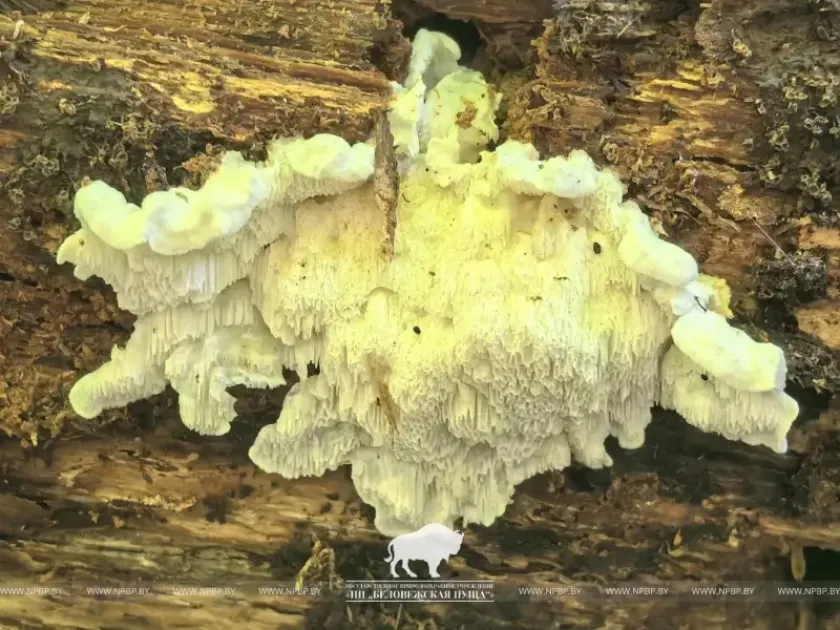
The most visible sign of infection is the development of fleshy to leathery fruiting bodies on the host trunk or at the base.
These fruiting bodies often appear in clusters, sometimes merging together in overlapping layers on the tree bark.
Internal symptoms include the transition of wood color to deep brown, often accompanied by characteristic cubical cracking.
The infected wood loses its structural integrity, making it feel soft and easy to crumble when dry.
In advanced stages, the tree may show canopy thinning and loss of vigor due to impaired nutrient and water transport.
Pathogen
Osteina is a genus of fungi within the Polyporaceae family, primarily known for causing brown rot in woody plants.
The most notable species is Osteina obducta, which functions as a saprotroph and occasionally as a parasitic organism.
The fungus releases extracellular enzymes that specifically break down cellulose while leaving lignin intact, resulting in brown, crumbly wood.
The mycelium develops within the wood, and reproductive structures emerge externally to release spores into the environment.
These fungi are integral components of forest ecosystems, playing a role in decomposition, but they become problematic in cultivated environments.
Conditions for development
High humidity and moisture are the primary environmental drivers for the germination and spread of fungal spores.
Infection occurs most frequently through entry points like pruning wounds, broken branches, or frost cracks.
Stressed or older trees with reduced defense mechanisms are more susceptible to colonization by Osteina.
Warm temperatures paired with moist periods during the growing season facilitate the growth of mycelium and sporulation.
Poor circulation and densely packed tree stands create favorable micro-climates for the establishment of the fungus.
Why it matters
The fungus causes significant structural degradation, leading to brittle wood and potential windthrow of affected trees.
Long-term colonization leads to the total loss of the tree's internal mechanical support system.
Economic damage is high in orchards and ornamental landscapes where tree longevity is a key priority.
The spread of spores from infected trunks poses a constant risk to surrounding healthy plants.
Tree safety becomes a major concern as the internal decay may not always be obvious from the exterior.
Protection
Prevention is centered on minimizing mechanical damage to trunks and ensuring clean cuts during pruning.
Applying antiseptic treatments to wounds is essential to prevent spores from infiltrating the woody tissue.
Sanitation involves removing and destroying infected fruiting bodies and, in severe cases, the entire tree.
Maintaining tree health through proper fertilization and irrigation helps trees maintain their natural defenses.
Regular monitoring of tree health, especially near the base of the trunk, is critical for early detection.
Discussion
No discussions yet — be the first.