
Leaf Phyllachora
Phyllachora leucospila
The causal agent of this disease is the ascomycete fungus Phyllachora leucospila. This parasite is known for colonizing the leaves of specific woody plants, establishing a complex relationship with the host tissues.
What the section contains
Leaf Phyllachora
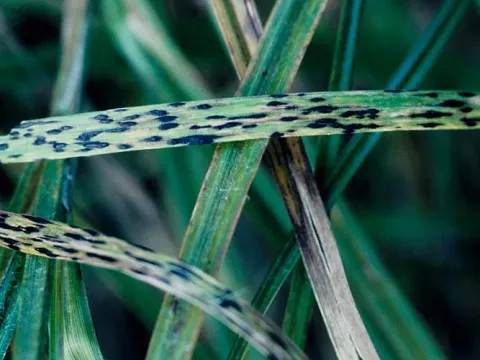
The fungus produces distinct fungal structures known as stromata on the leaf surface. These appear as dense, black, and slightly raised spots, which serve as the primary site for the maturation of spores.
The life cycle of Phyllachora leucospila is closely tied to overwintering on infected plant debris. As temperatures rise in spring, the fungal structures release ascospores, which are then disseminated by wind or splashing water.
Taxonomically, this fungus belongs to the order Phyllachorales. It is a highly specialized pathogen that shows a strong preference for certain plant species, often found in temperate forest ecosystems.
The mycelium of the fungus penetrates deep into the leaf parenchyma. This internal colonization allows the pathogen to obtain nutrients from the host while remaining protected from environmental fluctuations for long periods.
The most recognizable sign of the infection is the appearance of small, dark spots on the leaf surface. Over time, these spots develop into prominent black, shiny stromata that are clearly visible to the naked eye.
Chlorotic halos often surround the fungal stromata, indicating a loss of chlorophyll and physiological stress in the surrounding leaf cells. This discoloration is a sign of the plant's struggle to maintain normal photosynthesis.
As the disease progresses, numerous lesions may merge to form larger irregular necrotic patches. This severe damage can lead to the deformation and premature curling of the entire leaf blade.
In mid-to-late summer, the presence of these black, raised spots is a definitive diagnostic feature for field identification. The stromata remain firmly attached to the host tissue even as the leaf begins to wither.
Unlike some other foliar diseases, Leaf Phyllachora primarily affects the foliage. While it can be destructive to the leaves, it rarely spreads to the main stems or branches, focusing its energy on the photosynthetic apparatus.
The development of Phyllachora leucospila is highly dependent on humidity. Extended periods of rainfall or high atmospheric moisture create the perfect environment for spore germination and infection success.
Plants located in poorly ventilated areas or dense thickets are significantly more prone to attack. High humidity trapped within a dense canopy prevents leaves from drying out, facilitating the infection process.
Accumulated leaf litter beneath the trees serves as the primary reservoir for the fungus. If this material is not managed, it provides a persistent source of inoculum that can infect new foliage each season.
Moderate temperatures during the growing season favor the metabolic activity of the fungus. Sudden shifts in weather that result in leaf wetness are often associated with the most intense infection waves.
Spores are moved effectively by water splashes during rain events. Consequently, the lower leaves of the canopy are often the first to show symptoms, with the disease gradually moving upward as the season progresses.
The primary damage caused by this disease is the reduction of the plant's photosynthetic capacity. By destroying leaf tissue, the fungus starves the plant of the energy required for healthy growth and development.
Premature leaf drop is a major consequence of severe infection. This results in the tree losing its leaves earlier than natural, which significantly depletes the plant's nutrient reserves before the dormant winter season.
For ornamental plants, the presence of Leaf Phyllachora is aesthetically detrimental. The widespread black spots diminish the visual appeal of landscape trees and shrubs, rendering them less desirable.
Growth rates are significantly impaired in infected plants. The energy diversion required to fight off the fungal colonization leaves the tree with fewer resources for annual shoot growth and bud formation.
Chronic annual infection can gradually weaken a tree, making it vulnerable to opportunistic pests or other environmental stressors. Over time, this weakening can contribute to a loss of vigor and potential long-term decline.
Sanitation is the most effective management strategy. Collecting and properly disposing of all fallen leaves in the autumn removes the primary source of overwintering inoculum, preventing the cycle from continuing.
Pruning is essential to improve airflow throughout the tree canopy. By allowing air to circulate, leaves dry faster after rainfall, which significantly inhibits the establishment of the fungus.
Chemical control with fungicides can be used if an infestation is severe. Applications should ideally be timed to coincide with the period of spring leaf emergence to protect new, vulnerable tissue from initial infection.
Balanced fertilization can improve the host plant's resistance. Providing adequate nutrients helps the plant maintain a robust immune system, making it harder for the pathogen to successfully colonize the leaves.
Regular monitoring of the garden is crucial. Early detection allows for the removal of initial localized infections, which helps in limiting the spread and severity of the disease throughout the plant population.