
Leandria
Leandria
Leandria is a genus of fungal pathogens that belongs to the group of ascomycetes. These fungi specialize in parasitizing various plant tissues, causing significant physiological disruption and cellular necrosis.
What the section contains
Leandria
The pathogen spreads mainly via airborne spores, which can travel long distances in favorable weather conditions. The fungus survives in the soil and on crop debris for extended periods, waiting for a suitable host.
Infection begins when spores land on the plant surface and germinate under high humidity. The fungus penetrates the host's epidermal layer through natural openings like stomata or through minor mechanical wounds.
Once inside, the fungus colonizes the intercellular space and secretes enzymes that break down plant cell walls. This action allows the pathogen to extract nutrients necessary for its life cycle and further development.
Scientific identification of the pathogen usually requires microscopic examination of the mycelium and fruiting structures. Accurate diagnosis is essential for choosing the correct fungicide treatment program.
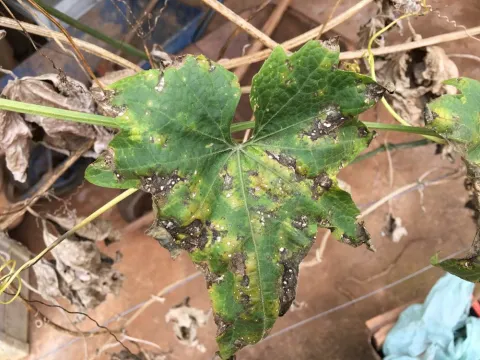
The primary symptoms of Leandria infection appear as small chlorotic spots on the leaves. These spots gradually expand and change color to brown or dark necrotic lesions as the tissue dies.
Under humid conditions, a fine fungal growth may develop on the underside of the leaves. Infected tissues often become brittle and may exhibit curling or premature senescence, leading to leaf drop.
Systemic spread within the plant can lead to the wilting of stems and branches. Stunted growth is a common indicator of a severe infection, as the plant cannot produce enough energy for normal development.
In cases where the pathogen affects reproductive organs, the flowers or fruits may develop irregularly or stop growing entirely. This leads to reduced yield and deformed quality of the final agricultural output.
Lesions on the stalks or main stems can weaken the plant's structural integrity, causing it to break under wind or stress. Early detection of these symptoms is crucial for preventing a wider spread of the disease.
Leandria thrives in environments with moderate temperatures and high humidity levels. The optimal range for fungal growth is generally between +18°C and +24°C, where the pathogen is most active.
High moisture, such as frequent rains, heavy morning dew, or overhead irrigation, facilitates spore dispersal. Constant leaf wetness is a key factor that allows the fungus to successfully infect the plant.
Dense plant canopies or lack of proper pruning create microclimates with low air circulation. These conditions keep the foliage wet for longer periods, significantly increasing the probability of a disease outbreak.
Plants under physiological stress, due to nutrient deficiencies, drought, or poor soil management, are significantly more susceptible to infection. Healthy plants have better natural defenses against invading fungal hyphae.
Continuous cropping of susceptible varieties in the same area leads to an accumulation of inoculum in the soil. This creates a cycle where every new planting is at higher risk than the previous one.
The disease causes substantial economic losses by reducing the overall yield of high-quality crops. In cases of severe infestations, the yield loss can be very significant, impacting agricultural profitability.
Loss of functional leaf area leads to a decrease in photosynthesis rates, which affects the plant's ability to accumulate biomass. This results in smaller fruits, lower seed quality, and reduced nutrient density.
In perennial crops, chronic infection weakens the plants, making them more vulnerable to frost damage and winter kill. This can lead to a decrease in the overall lifespan of the plantation or orchard.
Infected seeds can harbor the fungus, which serves as a source for spreading the disease to new fields. This makes the management of seed quality a critical priority for commercial farmers.
The presence of necrotic spots significantly lowers the market value of fresh produce. In many cases, infected fruit or vegetables are rejected for sale, causing total loss of marketable stock.
Prevention starts with using clean, certified, and disease-free seeds or planting material. Seed treatment with appropriate fungicides helps eliminate pathogens on the surface before planting begins.
Implementing a diverse crop rotation is a highly effective way to disrupt the life cycle of the pathogen. Farmers should avoid planting susceptible crops in the same soil for at least three to four years.
Sanitation practices, such as removing and destroying crop residues, are vital to reducing the fungal population in the field. Maintaining good soil fertility helps plants resist minor infections.
- Application of systemic fungicides at the first sign of symptoms.
- Optimizing planting density to ensure proper air flow and faster foliage drying.
- Selection of resistant or tolerant cultivars as a primary control method.
An integrated pest management (IPM) approach is the most sustainable solution. Combining mechanical methods, chemical intervention, and biological monitoring ensures effective control throughout the growing season.