
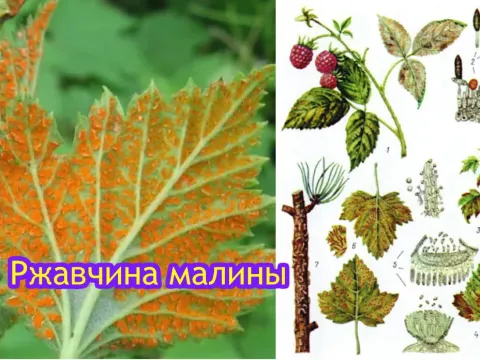
Arctic raspberry rust
Phragmidium arcticum
The causative agent of this disease is the fungal pathogen Phragmidium arcticum, which belongs to the Basidiomycota phylum. This parasite has evolved to thrive in cool, high-latitude, or alpine environments where raspberry crops are commonly cultivated.
What the section contains
Arctic raspberry rust
The pathogen completes its life cycle by infecting the leaves and stems of host plants. It survives the winter season as dormant spores within fallen leaf debris, which serves as the primary inoculum source for the subsequent spring infection cycle.
Infection begins when spores are transported by wind or water splashes onto healthy plant tissues. Once the fungus enters the host through stomata, it establishes a mycelial network that systematically draws nutrients from the raspberry plant cells.
The development of Phragmidium arcticum is highly dependent on environmental conditions, particularly the presence of moisture. High humidity and prolonged leaf wetness are essential for the rapid germination and colonization of the host plant.
Understanding the biology of this rust fungus is crucial for professional growers. Since the pathogen is highly specialized for raspberry, it can effectively weaken the host without killing it immediately, allowing for sustained reproduction throughout the growing season.
Early symptoms of the disease appear on the upper surface of leaves as small, bright yellow or pale chlorotic spots. These initial marks are often overlooked but serve as the first evidence of fungal colonization in the leaf tissue.
The most characteristic sign is the development of bright orange or golden pustules on the underside of the leaves. These structures, known as uredinia, contain millions of spores that turn the leaves into a source of secondary infection.
As the infection progresses, the infected leaves start to curl, wither, and eventually drop prematurely. This leads to severe defoliation, which negatively impacts the plant's physiological capacity to perform photosynthesis and store energy.
Stems may also show signs of infection, appearing as sunken, discolored patches or lesions. In severe cases, the structural integrity of the canes is compromised, making them prone to snapping under wind pressure or heavy crop loads.
Late in the season, the fungus may form darker, overwintering structures that signify the transition into the dormant phase. These signs indicate that the pathogen is preparing to persist in the field until the following spring.
The primary damage caused by Arctic raspberry rust is the drastic reduction of foliage, which leads to impaired photosynthetic activity. Without healthy leaves, the plant cannot produce enough carbohydrates for growth and fruit development.
Yield loss is significant due to the lack of nutrients reaching the flowers and developing berries. Infected plants often produce smaller, inferior fruit that lacks the quality required for fresh market sales or commercial processing.
Cold hardiness is severely compromised in infected plants. Because the fungus depletes the cane's nutrient reserves, the raspberry plants become extremely sensitive to winter frost, often leading to mass dieback in the following spring.
Chronic infections lead to a general decline in the vigor of the entire plantation. Over time, the cumulative impact of the disease reduces the lifespan of the raspberry field, requiring costly early replanting of the berry beds.
The secondary effect of the disease is the vulnerability of the weakened host to opportunistic pests and secondary infections. This creates a cascade of plant health issues that significantly increases the cost of crop management and maintenance.
Effective management begins with rigorous field sanitation. Removing and destroying all dead foliage and crop debris at the end of the season is the most critical step in breaking the disease's overwintering cycle.
Improving air circulation within the canopy is essential for reducing humidity levels. Pruning and thinning the canes help ensure the leaves dry quickly after rainfall or irrigation, making the environment unfavorable for the fungus.
Fungicide applications should be timed to coincide with favorable infection periods during the spring and early summer. Using authorized copper-based or systemic fungicides can significantly curb the spread of the disease on large-scale plantations.
- Select and plant resistant raspberry cultivars suitable for your specific region.
- Avoid overhead irrigation, which promotes the spread of fungal spores.
- Maintain balanced fertilization to ensure the plants are robust but not overly succulent.
- Regularly monitor the crop to spot and remove isolated infected canes before they spread.