
Archaeosporales
Archaeosporales
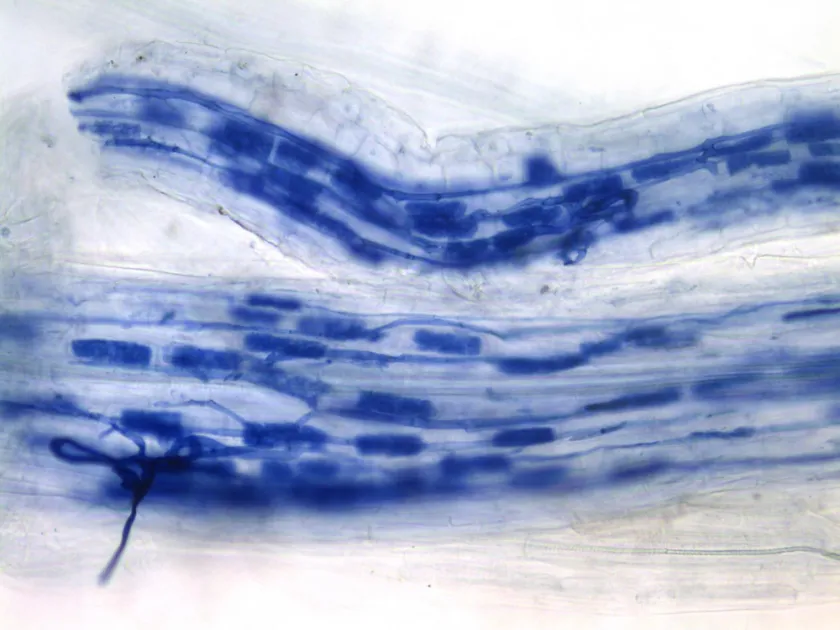
Description
Pathogen
Archaeosporales is an order of fungi within the phylum Glomeromycota, typically recognized as beneficial symbionts rather than plant pathogens.
These organisms form complex hyphal structures and spores within the soil, interacting directly with the root systems of various plants.
Their primary biological function is the formation of arbuscular mycorrhiza, which assists plants in the uptake of nutrients such as phosphorus.
These fungi are not considered causative agents of plant diseases in traditional agronomic practice, as their impact is generally growth-promoting.
Evolutionary studies place them within a group of organisms essential for the maintenance of plant vigor in natural and agricultural ecosystems.
Conditions for development
The development of Archaeosporales depends on the proximity to a living host plant root, which provides the necessary carbon sources for the fungi.
Soil moisture levels are critical for spore germination and the subsequent colonization of the root cortex by fungal hyphae.
Optimal soil temperatures during the growing season promote the metabolic activity and symbiotic spread of these organisms.
Soil structure and texture influence the ability of fungal networks to expand and form dense connections with host roots.
Chemical composition of the soil, particularly the availability of certain mineral elements, modulates the intensity of the mycorrhizal association.
Why it matters
There is no evidence that Archaeosporales cause direct harm or diseases to crops; they are predominantly beneficial microorganisms.
Negative impacts are only observed when agricultural practices lead to the collapse of the soil microbiome, weakening plant immunity.
The absence of these fungi might indirectly cause yield losses if the crops lose their access to improved nutrient uptake mechanisms.
They do not produce toxins or cause necrosis in healthy plants, which distinguishes them from typical plant pathogenic fungi.
The primary concern for agronomists should be the preservation of these beneficial populations rather than their eradication.
Protection
No control measures are required for Archaeosporales, as they are not pests or pathogens of agricultural or horticultural crops.
To support a healthy soil environment, it is advisable to reduce the use of broad-spectrum fungicides that could damage beneficial fungal populations.
Implementing cover crops and diverse crop rotations helps maintain the presence and activity of these symbiotic fungi in the soil.
Reducing intensive tillage helps preserve the integrity of the mycorrhizal networks, ensuring effective plant-fungi interaction.
Focusing on balanced organic and mineral fertilization helps maintain soil fertility and supports the symbiotic balance of the rhizosphere.
Discussion
No discussions yet — be the first.