
Archaeospora trappei
Archaeospora trappei
Description
Pathogen
Archaeospora trappei is an arbuscular mycorrhizal fungus belonging to the phylum Glomeromycota. It is a symbiotic organism that associates with the roots of many plant species to facilitate nutrient exchange.
The fungus develops specialized structures known as arbuscules within the root cortical cells. These branched hyphae act as the primary interface for the transfer of minerals, particularly phosphorus, from the soil to the plant.
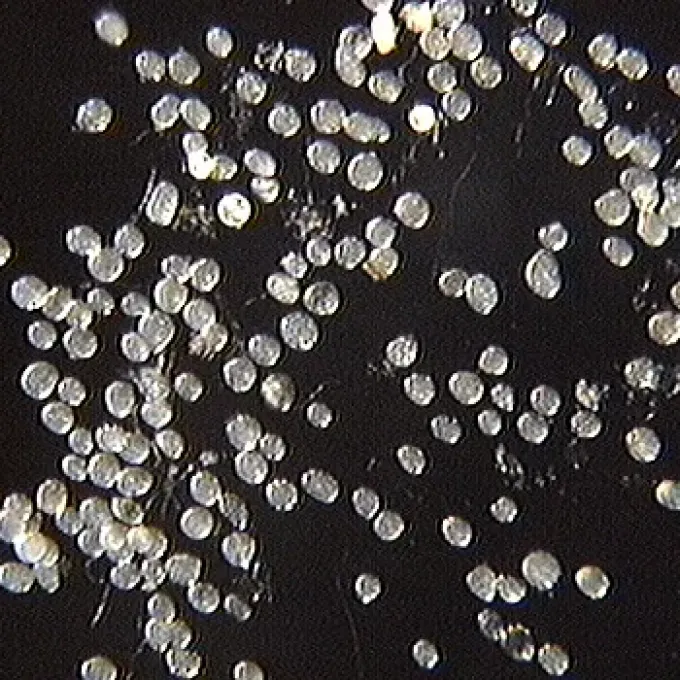
Spore production is a key feature of the life cycle. These spores typically develop in the soil matrix near the colonized root systems, featuring complex wall structures that ensure long-term survival.
While often discussed in the context of plant health, it is categorized as a beneficial symbiont rather than a conventional plant pathogen. It plays an essential role in improving the stress tolerance of the host plant.
The biological nature of this organism is strictly obligate, meaning it relies entirely on its host plant for survival and the completion of its life cycle within the soil environment.
Conditions for development
Successful colonization by Archaeospora trappei depends on host availability and suitable soil conditions. It thrives in well-aerated soils where moisture levels are maintained throughout the growing season.
Soil temperature significantly influences the formation of fungal structures. Research indicates that warmer soil conditions, typically between 20°C and 25°C, are optimal for the rapid spread of the mycelial network.
Nutrient availability in the soil acts as a regulatory mechanism. High concentrations of phosphate fertilizers can inhibit the symbiosis, as the plant no longer depends on the fungal network for nutrient uptake.
Soil pH levels also dictate the distribution of the fungus. Most strains prefer neutral to slightly acidic soil environments to maximize their metabolic activity and root colonization rates.
Organic matter content contributes to the health of the soil microbiome, providing the necessary environment for the fungus to persist even during periods when the host plant is dormant.
Why it matters
The impact of Archaeospora trappei on crops is generally positive, but in specific high-density scenarios, it may become an energy sink for the host plant. If light levels are low, the metabolic cost of maintaining the fungus can lead to reduced plant biomass.
In cases of extreme soil monocultures, an imbalance in the mycorrhizal community can develop. This might result in a shift in the rhizosphere composition, potentially affecting the plant's overall metabolic efficiency.
Some growers observe that excessive reliance on mycorrhizal fungi may lead to latent nutrient deficiencies if soil management practices do not account for the specific needs of the symbiotic relationship.
The fungus itself does not cause necrotic disease symptoms. Any observed decline in plant health is usually secondary and linked to broader soil ecology issues rather than direct fungal pathogenicity.
Monitoring the population of this fungus is crucial in specialized horticulture, as excessive colonization might interfere with the controlled nutrient delivery systems used in precision agriculture.
Protection
Effective management involves promoting a stable soil environment. Reduced tillage practices are highly recommended as they preserve the integrity of the underground mycelial networks established by the fungus.
Minimize the use of synthetic fungicides that are known to be toxic to soil-dwelling fungi. Integrated pest management strategies should emphasize biocontrol agents that coexist harmoniously with native mycorrhizae.
Maintain balanced nutrient levels in the soil to ensure that the symbiosis remains a partnership rather than an parasitic-like dependency. Regular soil testing is the best tool for fine-tuning fertilizer applications.
Practice crop rotation to prevent the buildup of excessive fungal biomass, ensuring that the microbial community in the rhizosphere remains diverse and functional across different seasons.
Adopting sustainable agricultural practices, such as the use of green manures, helps maintain a healthy soil environment, fostering beneficial relationships between plants and Archaeospora trappei.
Discussion
No discussions yet — be the first.