
Phomopsis dioscoreae
Phomopsis dioscoreae
The causal agent of this disease is the imperfect fungus Phomopsis dioscoreae, belonging to the class Deuteromycetes. This pathogen specializes in attacking various species of yam (Dioscorea), causing severe necrotic processes in plant tissues.
What the section contains
Phomopsis dioscoreae
The biology of the pathogen is closely tied to the formation of pycnidia, in which conidia mature and are dispersed by rain splashes or wind. The fungus can persist in infected plant debris in the soil for extended periods.
The life cycle of the pathogen includes both a saprotrophic phase and an active parasitic stage. Under favorable conditions, the fungus quickly colonizes host tissues, entering through stomata or wounds on the epidermis.
The pathogen's mycelium penetrates deep into the parenchyma of leaves and stems, causing a systemic infection. The spread of the fungus within the plant occurs via the vascular system, leading to the gradual wilting of plant parts.
The fungus is characterized by high variability and the ability to adapt quickly to changing environmental conditions. Agronomists use smear microscopy and nutrient media culturing to identify the species in laboratory settings.
In the early stages, the disease manifests as small chlorotic spots on the leaf blade. As the infection progresses, these spots turn dark, brown, or almost black, with a characteristic yellow halo surrounding them.
Affected leaves gradually deform, curl, and fall off prematurely. In high humidity, small black dots—the fungus's fruiting bodies (pycnidia)—become visible on the necrotic tissue sections.
Sunken, elongated lesions form on the stems, which can girdle the shoot, disrupting the transport of nutrients. This causes progressive wilting of the upper parts of the plant.
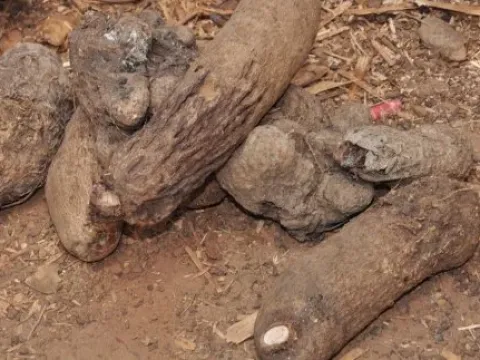
When yam tubers are affected, dry rot develops, involving the surface tissue layers. The tuber tissue becomes friable, turns brown, and emits a specific musty odor, which significantly lowers the market quality.
In advanced cases, the disease leads to the total destruction of the above-ground mass and subsequent decay of planting material in storage. Visual diagnosis is often complicated by symptom overlap with other leaf spots.
Disease development is most active in conditions of high humidity, exceeding 80–85%. Prolonged rainfall and fog create an ideal environment for the germination of fungal spores on leaf surfaces.
The optimal temperature range for the aggressive development of Phomopsis dioscoreae is +22...+28 degrees Celsius. At temperatures below +15 or above +30, fungal activity is significantly inhibited.
Poor agricultural practices, particularly dense planting, greatly facilitate the rapid spread of infection within the field. Poor air circulation prevents leaves from drying, fostering a microclimate conducive to fungal growth.
Unbalanced application of nitrogen fertilizers makes plant tissues softer and more vulnerable to pathogen entry. Excessive vegetative growth also creates additional pockets for inoculum accumulation.
Waterlogging and standing water in the field promote root infections and weaken the overall immune system of the crop. Mechanical damage during field maintenance acts as another risk factor for infection.
Phomopsis causes massive losses in yam yields by attacking both the foliage and the tubers. A reduction in the leaf surface area leads to a sharp decrease in tuber mass.
Stem damage disrupts the transport of plastic substances, resulting in small, stunted tubers unsuitable for long-term storage. Affected tubers lose shelf life quickly, becoming sources of secondary infection in storage facilities.
The disease can lead to total harvest failure during epiphytotic outbreaks. Economic losses include both reduced crop weight and the inability to sell necrosis-affected produce.
The infection degrades the quality of planting material, reducing the content of beneficial compounds like diosgenin. This renders the crop unsuitable for pharmaceutical processing.
In addition to direct harm, the presence of the disease forces farmers to increase spending on chemical protection, raising production costs. Infected fields often require long-term quarantine and crop rotation adjustments.
The primary preventive measure is the use of healthy, certified planting material. Tubers must be carefully inspected and graded before storage or planting.
Effective management includes maintaining a crop rotation cycle that excludes yams from the same plot for at least 3–4 years. Removing and burning plant debris in autumn significantly lowers the infectious load.
The application of systemic fungicides helps curb pathogen development in the early stages. It is crucial to perform treatments preventively rather than waiting for mass symptom manifestation in the field.
- Optimizing plant spacing to improve air circulation.
- Timely application of phosphorus and potassium fertilizers to strengthen immunity.
- Regular disinfection of tools used during field maintenance.
If the first signs of the disease are detected, immediate treatment with copper-based preparations or other approved fungicides is necessary. A comprehensive approach, combining agronomic practices and chemical control, is the only way to minimize losses.