
Phomopsis fennel blight
Phomopsis foeniculi
The disease is caused by the pathogenic fungus Phomopsis foeniculi, which belongs to the Ascomycota phylum and is a known threat to various crops.
What the section contains
Phomopsis fennel blight
This pathogen survives in the soil and crop debris, primarily as mycelium and pycnidia, waiting for favorable conditions to germinate.
The fungus produces asexual spores called conidia, which are easily dispersed by rain splashes, wind, and agricultural machinery.
It is highly host-specific, primarily targeting species within the Apiaceae family, including fennel, dill, and celery.
Biological studies suggest that the fungus thrives by exploiting natural openings in the plant's epidermis, such as stomata or mechanical damage.
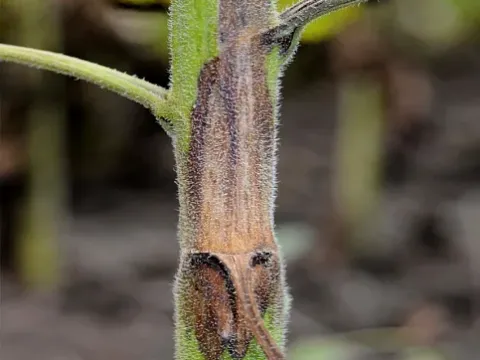
Initial symptoms of Phomopsis blight appear as small, dark, sunken lesions on the stems and leaf stalks of the fennel plant.
These lesions expand over time, often developing a brownish-gray appearance as the fungal growth progresses through the vascular tissues.
The presence of tiny, black, pimple-like structures called pycnidia on the surface of the lesions is a definitive diagnostic feature.
Affected plants often show signs of wilting and chlorosis, particularly during hot and sunny parts of the day when transpiration demands are high.
In severe cases, the entire stem may collapse, causing significant disruption to the development of the umbels and the maturation of seeds.
The proliferation of Phomopsis foeniculi is highly dependent on high moisture levels and warm temperatures ranging from 18°C to 25°C.
Prolonged periods of leaf wetness, such as those caused by persistent dew, fog, or frequent rainfall, significantly accelerate spore germination.
Overcrowded plantings and inadequate spacing restrict air movement, keeping the canopy humid and promoting rapid fungal spread.
Injuries caused by insects or harvesting equipment act as entry points, making wounded plants much more susceptible to the infection.
Cool, damp conditions during the spring and late summer represent the peak risk windows for disease outbreaks in the field.
Phomopsis blight causes significant yield losses by damaging the vegetative parts of the fennel and reducing the quality of the essential oil content.
The disease impairs the marketability of fresh fennel, as discolored and blighted stems are frequently rejected by buyers.
Severe infestations can lead to complete plant death, especially in sensitive varieties, causing localized failures across the farm.
Seed-borne infection is a major concern, as it allows the pathogen to be introduced into new fields, potentially causing long-term land issues.
The economic impact is exacerbated by the costs associated with repeated fungicide applications and crop destruction in infected areas.
The primary control strategy involves the use of pathogen-free, certified seeds and systematic crop rotation to starve the fungus in the soil.
Strict sanitation measures, including the complete removal and destruction of crop residues post-harvest, are essential to break the life cycle.
Fungicide treatments, particularly those using protective chemistry, should be applied during periods of high humidity and anticipated disease pressure.
Proper field management, such as optimizing plant density and controlling weeds, helps create an environment less conducive to fungal growth.
- Regular monitoring for early signs of stem discoloration.
- Ensuring proper soil drainage to reduce humidity levels.
- Integrating biological control methods where applicable.