
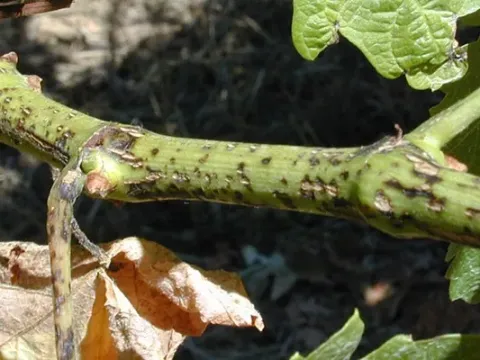
Phomopsis fruit rot
Phomopsis endogena
The causative agent of this disease is the fungus Phomopsis endogena, which belongs to the order Sphaeropsidales. It is a specialized pathogen that primarily targets the reproductive organs of host plants.
What the section contains
Phomopsis fruit rot
The fungal life cycle involves the production of pycnidia, which are flask-shaped fruiting bodies. These structures serve as reservoirs where conidia are formed for further dissemination.
The pathogen is capable of surviving in plant debris, infected fruit mummies, or bark crevices, maintaining viability across different seasons until favorable conditions arrive.
Infection typically occurs through microscopic wounds, insect feeding punctures, or natural openings on the fruit surface, allowing the mycelium to establish itself within the tissue.
Spore dispersal is primarily mediated by rainfall splashes, wind currents, and mechanical transmission through contaminated farm equipment or storage containers.
The initial signs of infection appear as small, depressed spots on the fruit surface that gradually expand in size and darken over time.
A hallmark symptom is the appearance of tiny black dots, known as pycnidia, scattered on the infected skin, often arranged in concentric patterns.
Internal tissues in the affected area soften and undergo rapid decay, often accompanied by a distinct unpleasant odor as the fungus degrades cellular structures.
Under high humidity, a whitish or greyish growth may appear on the surface of the lesions, representing the fungal sporulation stage.
- Depressed, necrotic spots on fruit.
- Formation of dark, circular pycnidia.
- Rapid softening and rotting of the internal pulp.
- Premature fruit drop in severe cases.
Disease development is highly dependent on environmental conditions, with warm and rainy weather providing the most favorable climate for fungal growth.
Optimal temperatures for the progression of Phomopsis range between +20 and +25 degrees Celsius, although the pathogen remains active under a wider range of conditions.
Poor aeration in dense plantings creates a stagnant microclimate that retains surface moisture, facilitating rapid infection and spore germination.
The presence of insect pests that damage fruit skin significantly increases the risk of infection, as these wounds provide immediate entry points for the pathogen.
Failure to remove mummified fruits from the previous season creates a continuous inoculum source, endangering the new crop during the early development stages.
The primary economic impact of Phomopsis fruit rot is the total loss of marketability, as infected fruits are unsuitable for sale or consumption.
The disease leads to significant post-harvest losses, as healthy-looking fruits at the time of picking can rapidly deteriorate while in storage or transit.
Significant infestations result in lower yields due to premature fruit drop, reducing the total harvested volume and overall productivity of the field.
The fungal infection can weaken the plant's physiological state, making it more susceptible to secondary pathogens and abiotic stress factors.
Increased expenditures on fungicide applications and labor-intensive sanitation practices further erode the profitability of agricultural enterprises.
Sanitation is the cornerstone of disease management, requiring the regular removal and destruction of all infected plant parts and mummified fruits.
Strategic fungicide applications during critical growth stages are essential to suppress spore production and prevent initial infections from establishing.
Integrated pest management to control insects that cause skin damage is crucial, as minimizing physical wounds significantly lowers infection rates.
Proper pruning and canopy management ensure better light penetration and airflow, reducing the humidity levels that the fungus requires for development.
Implementing crop rotation and selecting resistant varieties are effective long-term strategies to reduce the overall disease pressure on agricultural land.