
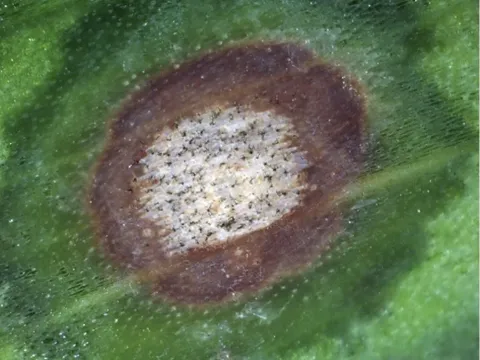
Phomopsis leaf spot of iris
Phomopsis iridis
The causative agent of this disease is the fungus Phomopsis iridis, which belongs to the Coelomycetes group. It specifically targets plants of the Iridaceae family, infecting them through stomata or mechanical tissue damage.
What the section contains
Phomopsis leaf spot of iris
The fungus propagates through pycnidia, which are specialized structures that produce conidia. These spores are spread easily by splashing water, rain, wind, or garden pests.
The pathogen is highly persistent and can survive for long periods in plant debris, soil, or infected rhizomes. This makes it a recurring problem in areas where sanitation is poor.
The mycelium grows within the leaf tissue, damaging the plant's structural integrity and interfering with photosynthesis. As it colonizes the host, it produces enzymes that cause cell necrosis.
Biology of the fungus allows it to adapt to various climates, making it a persistent challenge for gardeners who grow iris species in damp or poorly ventilated conditions.
Initial symptoms of Phomopsis leaf spot appear as small, light-colored lesions on the foliage. Over time, these spots expand and turn brown, grey, or dark tan in color.
The infected areas often display a concentric zone pattern, typically bordered by a yellow chlorotic halo. Small, black, pimple-like structures, known as pycnidia, may emerge in the centers of these spots.
As the disease progresses, leaves begin to yellow at the tips, curl, and eventually die back. Severe infections can lead to the collapse of the entire leaf structure.
If the infection spreads to the flower stalks, they may become distorted, and flower buds may fail to develop or open properly. This significantly reduces the aesthetic appeal of the plant.
In high-humidity conditions, a fine, greyish fungal growth or exudate may be visible on the surface of the lesions, indicating active spore production.
Phomopsis leaf spot thrives in conditions characterized by high humidity, heavy rainfall, or frequent overhead irrigation. Moisture on the leaf surface is a prerequisite for spore germination.
The optimal temperature range for the pathogen's growth and infection is between +18°C and +25°C. Unstable weather patterns often exacerbate plant stress, making them more vulnerable.
Overcrowded plantings with restricted airflow create microclimates that trap moisture, allowing the fungus to spread rapidly from plant to plant.
Improper cultivation practices, such as excessive nitrogen fertilization, result in succulent growth that is significantly more susceptible to fungal penetration and colonization.
Introduction of infected rhizomes from nurseries or other sources is the most common way this disease is brought into a garden environment.
The primary impact of Phomopsis leaf spot is the severe degradation of the plant's aesthetic value, which is critical for ornamental gardening and commercial iris production.
Significant leaf loss inhibits the plant's ability to produce energy through photosynthesis, leading to stunted growth and weakened overall vigor.
Plants weakened by the fungus have a much lower survival rate during winter, as they are unable to store the necessary carbohydrates in their rhizomes to sustain them through dormancy.
The disease frequently disrupts flower bud initiation, leading to a noticeable reduction or total loss of blooms in the subsequent growing season.
Persistent infections require extensive remediation efforts, including the removal of biomass and the recurring use of chemical treatments, which increases the cost of maintenance.
Good sanitation is the cornerstone of control. Remove and destroy (burn or deep bury) all infected plant parts as soon as symptoms are noticed to limit spore dispersal.
Ensure that irises are planted in well-drained, sunny locations with adequate spacing to promote airflow and quick drying of leaves after rain or watering.
Avoid overhead irrigation; instead, use drip irrigation or water at the base of the plant to keep the foliage dry, which prevents the spores from germinating.
When necessary, apply preventive fungicides such as copper-based sprays or systemic products containing triazoles, especially during early spring or periods of prolonged wet weather.
When purchasing new iris stock, inspect rhizomes carefully for signs of rot or lesions and ensure they are sourced from reputable suppliers to prevent introducing the pathogen.