
Phomopsis mango blight
Phomopsis mangiferae
Description
Symptoms
The primary symptom of the infection is the appearance of dark spots on the leaves, which gradually increase in size. The center of these spots often lightens, creating a characteristic halo around the affected area.
On young shoots, necrotic lesions form, which can lead to drying and dieback. Often, the infected bark cracks, exposing the wood, which weakens the overall health of the tree.
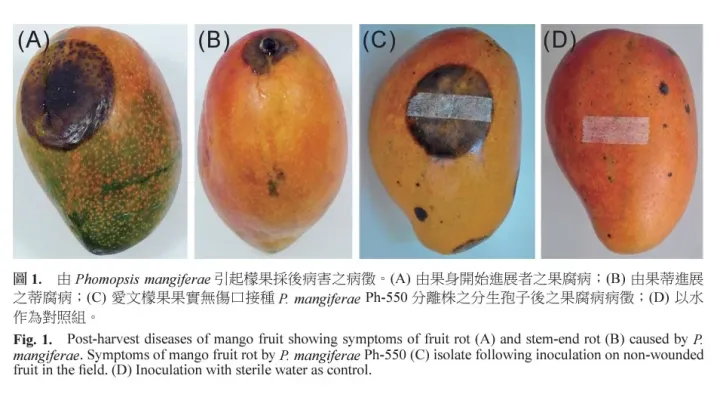
When affecting mango fruits, Phomopsis manifests as dark, sunken spots on the skin. As the disease progresses, these lesions expand, covering a significant portion of the fruit, making it unsuitable for consumption.
In affected areas, especially under high humidity, small black dots—the fungal pycnidia—can be observed. They are densely packed and serve as a diagnostic feature of this infection.
Inside the infected fruit, the tissue acquires a spongy structure, becomes soft, and develops a foul odor of decay. In advanced cases, the fruit is completely destroyed and turns into a rotting mass.
Pathogen
The causal agent of the disease is the imperfect fungus Phomopsis mangiferae, which belongs to the class of Ascomycetes. This pathogen is a specialized parasite capable of affecting both vegetative parts and the fruits of the plant.
The mycelium of the fungus penetrates deep into plant tissues, destroying the cellular structure. It possesses high enzymatic activity, which allows it to rapidly colonize the substrate under various environmental conditions.
The pathogen's life cycle includes the formation of pycnidia, which serve as the primary structures for the spread of infection. Within these structures, conidia are formed, ready to infect new tissue areas.
The fungus can persist in infected plant debris, dead branches, and mummified fruits for a long time. This makes it extremely resistant to periods of unfavorable environmental conditions.
In the natural environment, the pathogen is spread by rain splashes, wind currents, and insect vectors. Transmission of the infection through contaminated planting material during vegetative propagation is also possible.
Conditions for development
The development of the disease is favored by high air humidity, exceeding 80-85%. Prolonged rainfall during the fruit maturation period creates an ideal microclimate for the germination of pathogen spores.
The optimal temperature range for active mycelial growth is between +22 and +28 degrees Celsius. Under such conditions, the incubation period shortens, and the rate of tissue infection significantly increases.
The presence of micro-wounds on the surface of the fruit or bark significantly increases the risk of infection. Such damage can be caused by pests, hail, or improper agricultural practices.
Poor air circulation within the tree canopy due to the lack of sanitary pruning creates stagnant humidity zones. This promotes the accumulation of infectious pressure directly inside the canopy.
Insufficient soil aeration and waterlogging of the root zone can also indirectly affect the tree's immune system. Weakened plants become more susceptible to Phomopsis spore penetration.
Why it matters
Phomopsis mango blight causes significant economic losses in plantations by reducing the volume of marketable yields. The disease makes fruits visually unattractive and decreases their nutritional value.
Damage to vegetative organs leads to premature leaf drop, which disrupts the photosynthesis process. This results in the exhaustion of the tree and reduced yields in subsequent seasons.
During storage and transportation, infected fruits rapidly lose their commercial quality. This leads to significant product losses in retail chains and at the logistics stage.
Fungal infection facilitates the development of secondary pathogens, which accelerate the destruction of fruits. This makes disease management extremely difficult once mass ripening begins.
Uncontrolled spread of the pathogen can lead to the death of young seedlings in nurseries. This limits the ability to expand production areas and replace orchard stocks.
Protection
The basis of protection is timely sanitary pruning and the destruction of all infected plant parts. Regular cleaning of the orchard from plant residues reduces the primary inoculum level.
The application of copper-based fungicides effectively suppresses fungal development during critical growth stages. Treatments should begin before the rainy season and be repeated as necessary.
An important preventive element is maintaining proper planting density to ensure good canopy ventilation. Free air circulation prevents the accumulation of pathogen spores on leaves and fruits.
Pest populations that damage fruit skin, creating entry points for infection, should be monitored. Using integrated pest management programs helps to minimize risks.
- Collection and disposal of fallen leaves and mummified fruits.
- Disinfection of tools after working with infected trees.
- Application of balanced fertilizers to improve overall plant resistance.
- Adherence to quarantine measures when importing planting material from endemic zones.
Discussion
No discussions yet — be the first.