
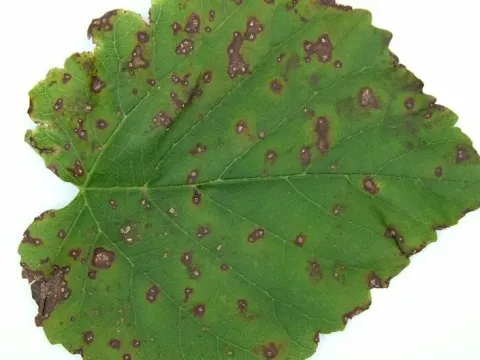
Phloeospora leaf spot
Phloeospora
The disease is caused by fungi belonging to the genus Phloeospora. These pathogens are classified as deuteromycetes, which primarily parasitize the leaves and young shoots of various woody plants and shrubs.
What the section contains
Phloeospora leaf spot
The fungus overwinters mainly in the form of mycelium within fallen infected leaves or in the bark crevices of affected branches. In spring, the pathogen produces conidial spores, which serve as the primary source of infection.
The life cycle involves the active dispersal of conidia by wind, rain splashes, and insects. Under favorable conditions, the fungus can complete several infection cycles within a single growing season.
The pathogen enters plant tissues through stomata or mechanical wounds on the epidermis. Once inside, the mycelium grows intercellularly, absorbing nutrients and destroying the structural integrity of the leaf tissues.
The biology of the pathogen is well-adapted to temperate climates, allowing the fungus to remain viable for long periods in plant debris, thus posing a consistent threat of reinfection each year.
The first symptoms of Phloeospora infection are small spots on the leaf blades. These spots typically appear brown, reddish-brown, or yellowish, often surrounded by a darker or more distinct margin.
As the disease progresses, the spots expand and may coalesce, covering a significant portion of the leaf surface. This leads to premature chlorosis and necrosis of the affected tissues.
Small, pinhead-sized fruiting bodies (pycnidia) of the fungus often form on the underside of the leaf or directly within the necrotic spots, appearing as small black or brown protruding dots.
In cases of severe infestation, premature leaf drop occurs, starting from the lower parts of the canopy. Occasionally, the disease may also affect petioles and young herbaceous shoots, causing them to deform.
- Development of circular spots on leaves
- Formation of necrotic tissue zones
- Presence of visible pycnidia on the leaf surface
- Premature leaf senescence and abscission
- General weakening of the plant host
The development of the disease is favored by humid and moderately warm weather. Outbreaks often occur during periods of high rainfall in mid-summer, when atmospheric humidity remains consistently high.
The temperature optimum for conidial germination ranges between +18°C and +24°C. Only 6–8 hours of high moisture on the leaf surface are typically sufficient for the pathogen to successfully infect healthy tissues.
Dense plantings and poor ventilation within the tree canopy create an ideal microclimate for fungal reproduction. Stagnant air prevents leaves from drying quickly after rain or heavy dew.
Poor horticultural practices, which weaken the plant's immune response, also promote the spread of Phloeospora. Excessive nitrogen fertilization, which reduces the strength of cell walls, can increase plant susceptibility to infection.
The spread of spores within a plot occurs via airborne or rain-splashed droplets. In orchards with poor sanitary management, the pathogen can quickly transfer from infected plants to healthy ones.
The primary damage caused by Phloeospora is the disruption of photosynthesis due to extensive leaf damage. This leads to reduced accumulation of carbohydrates and overall stunted plant development.
Premature leaf drop prevents the plant from storing sufficient energy reserves for winter. Consequently, the frost resistance of shoots and buds is reduced, potentially leading to winterkill during cold snaps.
Systemic infection over several years causes significant tree exhaustion, manifesting as reduced annual shoot growth, smaller fruit size, and a decline in overall fruit quality.
In nurseries, Phloeospora can ruin the commercial appeal of seedlings, rendering them unsuitable for sale. The disease also indirectly predisposes weakened plants to infestations by secondary pests.
Economic losses arise from decreased orchard productivity and the additional costs incurred for disease control measures, fungicide applications, and orchard sanitation efforts.
The most critical preventative measure is the thorough collection and destruction of fallen leaves, which serve as the primary overwintering site for the pathogen. Burning or deep burial of debris reduces the initial inoculum.
Maintaining proper agricultural practices is essential; timely pruning improves canopy airflow and light penetration, preventing the moist environment required for fungal proliferation.
Upon the first signs of the disease, targeted fungicide spraying should be implemented. Copper-based preparations or systemic broad-spectrum fungicides from the triazole or strobilurin groups are generally effective.
The first treatment should be prophylactic, applied before mass spore dispersal occurs, with subsequent treatments as needed, always considering the pre-harvest interval for fruit crops.
Breeding and selecting resistant cultivars is the most sustainable long-term solution. Regular phytosanitary monitoring of the orchard allows for early detection and localization of infection hotspots.