
Phlyctema
Phlyctema
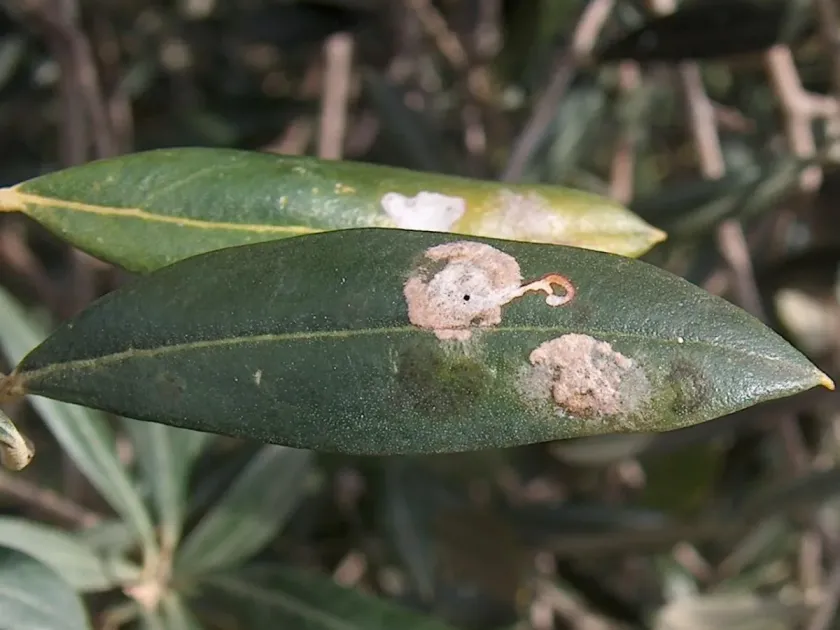
Description
Symptoms
Phlyctema symptoms typically manifest as necrotic, sunken lesions on the skin of fruits, which eventually enlarge and turn brown or dark in color.
On tree branches, the disease is characterized by cracking bark and depressed lesions that can eventually girdle and kill the infected shoots.
As the infection progresses, small fruiting bodies (pycnidia or apothecia) appear as tiny black dots or pustules in the center of the necrotic tissue.
Under high humidity, a creamy or whitish mass of spores may become visible on the surface of the lesions, especially on rotted fruits.
The disease is often latent, meaning that infection occurs in the orchard, but physical signs may only appear post-harvest during storage.
Pathogen
The disease is caused by fungi of the genus Phlyctema, most notably Phlyctema vagabunda, which is the anamorph of the ascomycete Neofabraea alba.
This pathogen persists in decaying plant material and bark tissues, overwintering as mycelium or conidia until conditions become suitable for reproduction.
The life cycle involves the development of conidial structures that facilitate the rapid spread of spores throughout the growing season.
The fungus acts as a parasite, invading plant tissues through natural openings or accidental wounds caused by pests or environmental factors.
The persistence of the pathogen in the orchard ecosystem makes it a challenging pest to manage, requiring long-term preventive strategies.
Conditions for development
Phlyctema thrives in conditions characterized by moderate temperatures, typically between 15°C and 22°C, combined with high atmospheric humidity.
Extended periods of rain, fog, or dew provide the necessary surface moisture for conidia germination and subsequent tissue colonization.
Densely planted orchards with poor air circulation are more susceptible to outbreaks, as they maintain a humid microclimate favorable for fungal growth.
Weakened trees, suffering from nutrient deficiencies or physical damage from frost, hail, or insects, are significantly more vulnerable to infection.
Poor orchard hygiene, such as leaving infected prunings on the ground, creates a primary source of inoculum for the next season.
Why it matters
The primary impact of Phlyctema is the reduction of marketable fruit quality, as infected produce is prone to storage rot and quick decay.
Branch damage leads to the gradual decline of tree health and vigor, causing a decrease in overall orchard yield over several seasons.
In nurseries, the disease can cause significant losses in young tree stock, requiring the culling and destruction of infected plants.
Economic losses are compounded by the need for costly fungicide applications and the devaluation of harvested crops due to cosmetic and physical defects.
The persistent nature of the fungus forces growers to adopt rigorous and expensive integrated pest management programs.
Protection
Effective management requires a combination of strict orchard hygiene, proper pruning practices, and the application of fungicides.
Pruning should be performed to remove dead or diseased wood, and all prunings must be removed from the orchard or destroyed to reduce inoculum.
Improving air circulation through tree training and thinning helps keep the canopy dry, limiting the conditions favored by the fungus.
Balanced fertilization is essential for strengthening the host plant's natural defenses against potential fungal pathogens.
- Regular inspection of trees and fruit;
- Application of protective fungicides during sensitive growth stages;
- Removal of mummified fruits and infected branches;
- Quarantine protocols for incoming plant materials.
Discussion
No discussions yet — be the first.