
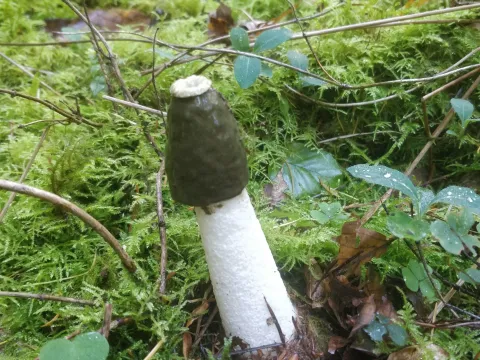
Stinkhorn fungi
Phallales
Stinkhorn fungi, belonging to the order Phallales, are basidiomycetes recognized for their unique reproductive strategies and distinct morphology.
What the section contains
Stinkhorn fungi
While primarily saprotrophic, these fungi thrive in environments rich in decaying organic matter, occasionally colonizing soil near sensitive garden crops.
The organism propagates through spores that are dispersed by insects, wind, or mechanical movement of contaminated soil particles.
The mycelium network can be extensive, often forming deep underground colonies that persist even after the visible fruiting bodies are removed.
Biological development involves a complex transition from a subterranean egg stage to a mature spore-bearing body that releases strong odors.
The presence of white, gelatinous egg-shaped structures buried in the topsoil is the primary indicator of an infestation.
A foul, carrion-like odor in the garden is a definitive symptom of mature stinkhorn development during the fruiting stage.
Fine white threads of mycelium visible within the mulch or soil profile indicate an established fungal colony in the area.
Garden plants near the fungi may show signs of yellowing or stunted growth due to nutrient competition in the rhizosphere.
Changes in soil texture, such as increased fluffiness or moisture retention, are often associated with the breakdown of organic material by these fungi.
High soil moisture is the fundamental condition required for the successful germination and rapid growth of Phallales species.
Excessive use of non-composted mulch, wood chips, or fresh manure provides an abundant nutrient supply for these saprotrophic organisms.
Warm ambient temperatures between 18 and 25 degrees Celsius accelerate the formation and emergence of fruiting bodies.
Poor soil aeration and lack of proper drainage systems create anaerobic conditions that these fungi favor for colonization.
Limited direct sunlight on the soil surface protects the fungi from desiccation, allowing them to remain active for longer periods.
Stinkhorns compete with plants for nitrogen and other essential nutrients, effectively reducing the soil fertility available for crop growth.
The secretion of metabolic products into the soil can alter local pH levels, potentially inhibiting the growth of sensitive vegetable crops.
Extensive mycelial growth can disturb the physical structure of the soil, impacting root respiration and nutrient uptake efficacy.
The strong odors produced can attract various pests, indirectly leading to increased insect damage on the vegetable garden.
Their presence often indicates an imbalance in soil health, which may lead to secondary issues with soil-borne pathogenic organisms.
Implementing rigorous organic management practices, including using only fully matured compost, is the primary preventative measure.
Mechanical disruption of the soil through regular aeration helps destroy the mycelium network and limits further spread of the fungi.
Improving drainage systems to prevent waterlogging is essential to create an environment less suitable for stinkhorn survival.
- immediate removal of fruiting bodies before spore release;
- application of biological fungicides based on beneficial microbes;
- adjusting soil acidity to levels less favorable for fungal expansion.
For severe infestations, removing the contaminated surface soil and replacing it with sterilized compost can provide immediate relief for the crops.