
Stinking russula
Russula foetens
Description
Pathogen
The Stinking Russula (Russula foetens) is not a plant pathogen and does not cause diseases in agricultural crops. It belongs to the group of mycorrhizal fungi that maintain beneficial symbiotic relationships with trees.
In the context of botany and mycology, it is categorized as a basidiomycete. Its mycelium colonizes the roots of host trees, improving water uptake and nutrient exchange through the formation of ectomycorrhiza.
Unlike parasitic fungi that degrade plant tissues, Russula foetens does not produce cellulolytic enzymes capable of harming living crops. It functions solely as a beneficial component of the forest ecosystem.
The organism does not pose any danger to fields, orchards, or gardens. Its interaction with the environment is limited to the soil interface of woody plants, making it a harmless neighbor to cultivated land.
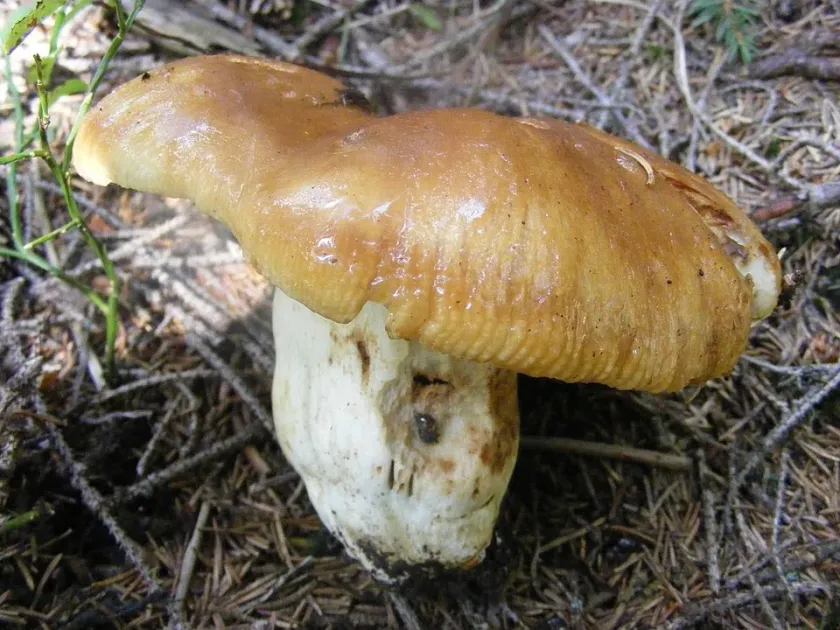
Identification is based on its brownish, slimy pileus and a very distinct, unpleasant acrid smell. These morphological features help distinguish it from other non-pathogenic soil fungi.
Conditions for development
The development of Russula foetens is strongly tied to forest habitats and the presence of deciduous or coniferous trees. High soil moisture and moderate temperatures are the primary requirements for the formation of its fruiting bodies.
The species prefers acidic to neutral soils enriched with leaf litter. It thrives in shaded areas where humidity is retained throughout the growing season, typically from mid-summer to autumn.
Mycelial growth is highly sensitive to soil disturbance, such as intensive tillage or the application of synthetic fungicides. In such environments, its colonization is significantly inhibited or eliminated.
Climate patterns play a crucial role, as the fungus requires consistent rainfall to complete its reproductive cycle. During drought, the mycelium remains dormant within the root zone of the symbiotic trees.
Biological dispersal occurs via wind-blown spores that travel from the forest canopy to suitable soil environments nearby, ensuring the survival of the species across different landscape units.
Discussion
No discussions yet — be the first.