
Patellaria
Patellaria
The disease is caused by fungi belonging to the genus Patellaria (family Patellariaceae). These fungi are generally classified as saprotrophs or weak parasites that thrive on weakened plant tissues.
What the section contains
Patellaria
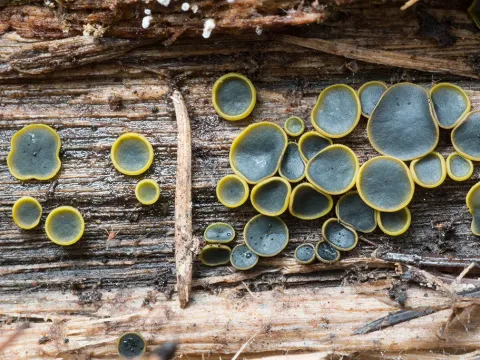
The pathogen is characterized by the production of apothecia — small, black, disc-shaped fruiting bodies that develop on the surface of the bark or dead wood.
The fungal lifecycle depends heavily on moisture. Spores are produced within these disc-like structures and are released during wet weather, facilitating their spread to new hosts.
As the fungus colonizes the tree, its mycelium penetrates the bark and the underlying cambium layer, eventually inhibiting the nutrient transport system of the plant.
The infection typically acts opportunistically, targeting trees already stressed by environmental factors, pests, or other pre-existing plant diseases.
The primary symptom is the appearance of tiny, dense, black circular structures on the surface of the bark. These apothecia are often found in clusters on twigs, branches, or trunks.
Infected bark may become discolored, brittle, or cracked. As the infection deepens, the wood underneath may show signs of tissue necrosis and softening.
The canopy of the affected tree often exhibits premature yellowing and leaf fall. Growth of new shoots is frequently stunted, leading to a decline in the tree's vigor.
Over time, the affected branches may show signs of dieback. The presence of the fungus prevents the proper circulation of sap, which eventually causes the branch to wither and die.
Severe infestations can lead to significant cracks in the trunk, providing further entry points for secondary pathogens like wood-decaying fungi.
High humidity and consistent rainfall are the key environmental conditions that promote the development and spore release of the Patellaria fungus.
Poorly ventilated garden areas with dense planting schemes create a favorable microclimate where moisture persists on the bark for extended periods.
Environmental stress, such as drought, winter cold damage, or sunburn, weakens the tree's natural defenses, making it much more susceptible to colonization.
Mechanical damage from improper pruning or hail provides the necessary entry points for the fungal spores to establish themselves in the host tissue.
Optimal temperatures for fungal growth generally fall within the range of 15°C to 22°C, which correlates with the active growth seasons of the host plants.
The main damage caused by this fungus is the gradual breakdown of the tree's protective bark and conductive tissues, leading to reduced nutrient uptake.
If left untreated, the dieback caused by the fungus can progress from smaller twigs to larger branches, eventually killing the tree or severely limiting its lifespan.
The presence of the fungus compromises the plant's structural integrity and lowers its resistance to more aggressive, wood-rotting pathogens and boring insects.
Fruit production is often negatively impacted, both in terms of yield and quality, as the tree directs its limited resources toward surviving the infection.
Economic damage in orchards and ornamental gardens is significant due to the costs associated with curative treatments, sanitation, and the potential replacement of mature plants.
Effective management begins with good horticultural practices. Pruning out infected branches is essential to prevent the spread of the fungus throughout the tree canopy.
All pruning tools must be disinfected after working on infected wood to avoid cross-contamination. Exposed cuts should be sealed to protect against reinfection.
Preventive spraying with copper-based fungicides can help manage the spore load in the orchard during early spring, protecting the bark surfaces.
Improving the tree's health through balanced fertilization and proper irrigation helps the host plant better resist opportunistic pathogens.
- Regular inspection of bark for black disc-like growths.
- Immediate removal and destruction of dead or dying wood.
- Ensuring optimal airflow within the canopy via strategic thinning.
- Protecting the bark from physical damage or environmental stress.
- Applying fungicides specifically targeted at fungal bark diseases.