
Paurocotylis
Paurocotylis
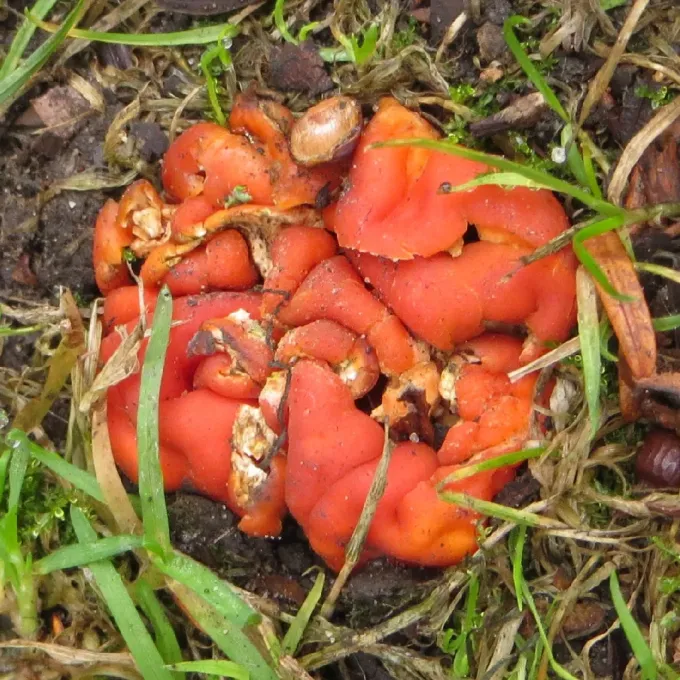
Description
Symptoms
Key symptoms of a Paurocotylis infection include the appearance of unusual growths or swellings on the branches and main stem. These formations are often indicative of localized necrotic tissue development.
Leaves may show signs of chlorosis, wilting, or premature senescence as the vascular system becomes compromised. Terminal dieback is frequently observed in more advanced stages of the disease.
- Development of distinct bark lesions and discolored patches.
- Formation of small, spore-producing structures on the bark surface.
- Deformation and cracking of stems due to internal tissue damage.
- Progressive wilting of the foliage starting from the branch tips.
- General reduction in plant vigor and seasonal growth rates.
Upon closer inspection, researchers often find that the bark becomes loose or brittle in areas where the fungus has aggressively colonized the underlying cambium.
Because the disease often mimics other bark cancers, visual diagnosis should be confirmed with laboratory tissue analysis to ensure appropriate treatment strategies are implemented.
Pathogen
Paurocotylis is a genus of fungi classified under the Ascomycota division. In phytopathology, it is recognized as a specific pathogen that targets the bark and vascular tissues of various woody plant species.
The fungus develops by forming an extensive mycelial network that penetrates the host tissue, disrupting normal sap flow and nutrient absorption. This metabolic interference leads to a gradual decline in the plant's health.
The pathogen completes its life cycle by producing spores that are easily disseminated by wind or splashing rain. These spores can remain dormant in leaf litter or soil for several seasons.
This fungus exhibits notable resilience, allowing it to survive harsh winter conditions within the protected bark crevices of its host. The infection can persist in a latent state for extended periods.
The pathogen's ability to colonize host tissues effectively makes it a persistent threat in agricultural settings, requiring consistent monitoring to prevent widespread contamination.
Conditions for development
High humidity and moderate temperatures provide the most favorable environment for the growth and reproduction of Paurocotylis. Prolonged wet weather significantly increases the rate of spore germination.
Physical injuries to the tree, such as those caused by frost, mechanical damage from garden tools, or insect boring, create entry points for the fungus to infiltrate the plant.
Poor site management, including overcrowded plantings that restrict airflow and increase humidity, often exacerbates the disease spread. Stagnant air allows spores to settle and germinate more readily.
Plants with compromised immunity due to nutrient deficiencies or poor soil health are significantly more prone to infection. Sustaining high plant vigor is essential for natural defense.
Seasonal fluctuations affect the activity of the pathogen. During periods of drought, the fungus may retreat into a slower phase of development, re-emerging when moisture levels rise again.
Why it matters
The primary harm caused by Paurocotylis is the systemic disruption of the vascular transport system. This leads to reduced yields and can eventually render fruit-bearing trees unproductive.
Severe infestations often cause the death of significant portions of the crown, leading to architectural changes in the plant that increase the risk of physical breakage during strong winds.
The cumulative stress caused by the infection decreases the plant's overall hardiness, making it highly susceptible to subsequent frost damage or secondary pest attacks.
Economically, the impact is severe due to the loss of tree longevity and the increased cost of long-term maintenance, fungicidal treatments, and potential removal of infested specimens.
If not managed early, the pathogen can spread to surrounding healthy plants, potentially jeopardizing the entire plantation or orchard block.
Protection
Sanitation is the most effective control method. All infected branches must be pruned well back into healthy tissue, and the material must be removed and destroyed by burning or disposal.
Sterilizing pruning equipment between cuts is crucial to prevent the mechanical transmission of fungal spores from infected to healthy trees. Alcohol or disinfectant solutions are recommended.
Applying copper-based fungicides during the dormant season can help reduce the primary inoculum pressure. Subsequent applications during the growing season may be necessary under high-risk conditions.
Maintaining optimal plant health through balanced fertilization and proper irrigation helps the host mount a stronger physiological defense against fungal penetration.
Promoting good crown aeration via structural pruning is a vital cultural practice. Ensuring that leaves and stems dry quickly after rainfall significantly inhibits the establishment of the pathogen.
Discussion
No discussions yet — be the first.