
Paurocotylis pila
Paurocotylis pila
Description
Symptoms
The most prominent sign of infection is the emergence of distinctive tumor-like growths or galls on the trunks and branches of the host trees.
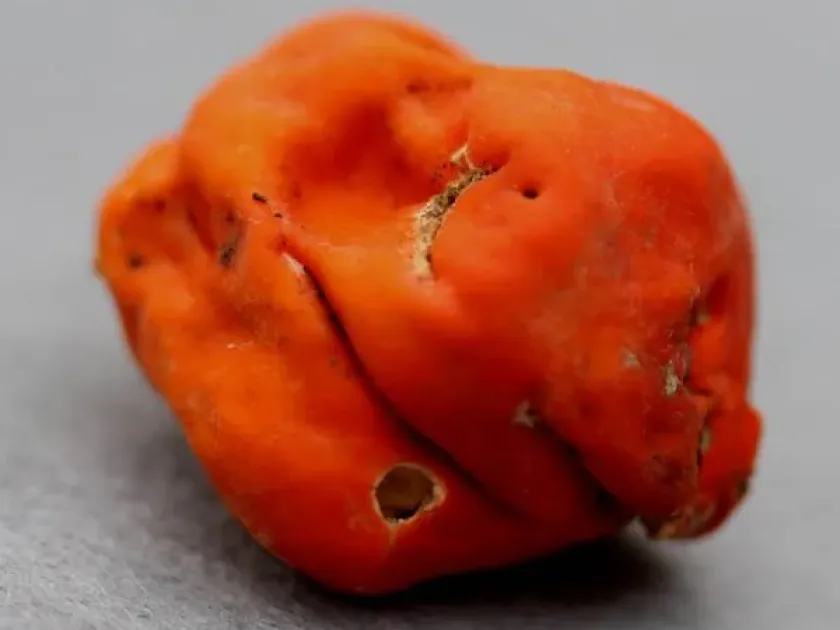
These galls are typically spherical in shape, which is the direct inspiration for the specific epithet pila, the Latin word for a ball.
The outer surface of the affected bark often becomes cracked, rough, and deeply fissured due to the underlying pathological tissue growth.
As the disease progresses, the blockage of nutrient transport results in the wilting and eventual dieback of infected branches or even the entire canopy.
Visual diagnostic procedures often focus on locating these characteristic spherical deformities during routine inspections of the bark.
Pathogen
The disease is caused by the ascomycete fungus Paurocotylis pila. It is a specialized pathogen known for inducing abnormal tissue proliferation in its host plants.
The fungus functions as a parasite, interacting with the physiological processes of the eucalyptus to promote the development of tumor-like structures.
Mycelial growth occurs within the bark and cambial layers, where the pathogen colonizes the host and disrupts normal vascular functions.
Spore production is the primary mechanism for the dispersal of the disease, with spores spread across plantations by wind and water splash.
Taxonomically, this fungus is identified as a causative agent of galls, which reflect the complex host-parasite relationship within the plant tissues.
Conditions for development
The development of Paurocotylis pila is favored by warm and humid climates, which are typical for natural eucalyptus ecosystems.
High relative humidity and frequent rainfall cycles facilitate the germination of fungal spores and their successful penetration into the host.
Trees that are already under stress, whether due to poor site conditions or environmental shifts, demonstrate a higher susceptibility to this pathogen.
Optimal fungal growth typically occurs within a moderate temperature range, which promotes metabolic activity and extension of the hyphal network.
Improper forest management that results in restricted airflow can create a microclimate that supports the proliferation of the fungus.
Why it matters
Paurocotylis pila causes significant economic impact by reducing the overall growth rate and vigor of affected eucalyptus plantations.
The formation of galls severely impairs the tree's health, often leading to stunted growth and, in severe cases, the death of the plant.
Wood quality is significantly degraded by these deformations, rendering the timber unsuitable for high-quality industrial or commercial uses.
A widespread infection across a plantation reduces the overall forest productivity and increases the costs associated with disease management.
Infected trees often serve as hosts for secondary pests and opportunistic pathogens, further accelerating the decline of the forest stand.
Protection
Systematic field monitoring and early detection of symptomatic trees are the primary methods for preventing the spread of the disease.
Infected plant parts must be promptly removed and disposed of, preferably via incineration, to eliminate the reservoir of fungal inoculum.
Maintaining optimal planting densities is a key cultural practice that helps improve ventilation and reduce the humidity levels around the trees.
Strict phytosanitary protocols for nursery stock ensure that only healthy, pathogen-free material is used for reforestation efforts.
Chemical control using systemic fungicides may be considered for early-stage infections to protect valuable individual trees or smaller nursery crops.
Discussion
No discussions yet — be the first.