
Papaya powdery mildew
Oidium caricae-papayae
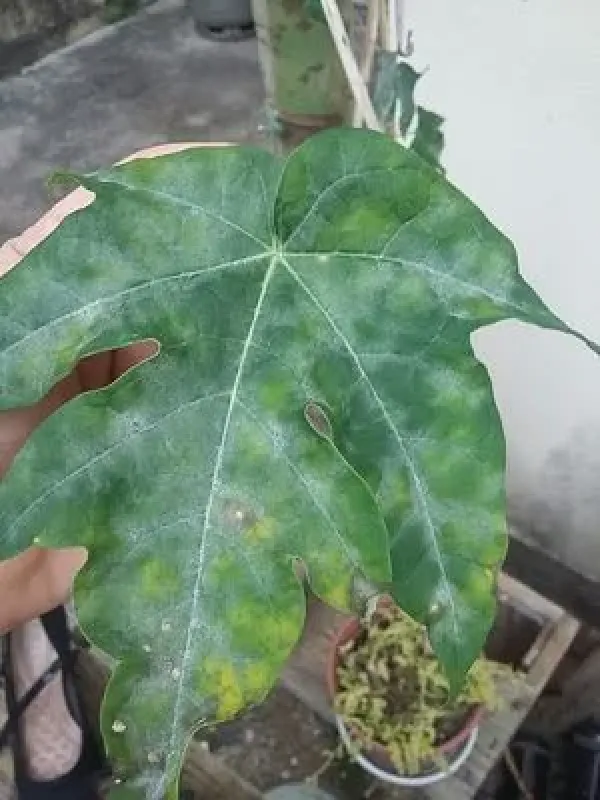
Description
Symptoms
The primary symptom of this fungal infection is the appearance of white, powdery spots on the undersides of young leaves.
As the infection progresses, the fungal growth spreads to the upper leaf surfaces, petioles, and stems, forming dense patches of white mycelium.
Affected leaves eventually turn yellow, curl up, and develop necrotic spots, which can lead to premature leaf drop from the papaya tree.
When the infestation is severe, the fungus colonizes developing fruits, resulting in dry surface blemishes that significantly affect fruit quality.
General tree vigor is reduced, leading to stunted growth of new shoots and a visible decline in the plant's overall health and vitality.
Pathogen
The disease is caused by Oidium caricae-papayae, an obligate fungal parasite that thrives specifically on members of the Caricaceae family.
The fungus absorbs nutrients from the host's epidermal cells by extending specialized hyphae known as haustoria into the plant tissue.
It reproduces via abundant conidia, which are easily disseminated by wind currents, allowing the pathogen to spread across plantations rapidly.
The biology of this fungus is strictly dependent on the presence of living host tissue, making it a persistent problem in papaya-growing regions.
Genetic diversity of the pathogen may influence its virulence, but the basic life cycle remains consistent across different climatic zones.
Conditions for development
Development of the disease is favored by moderate temperatures typically ranging from 20°C to 28°C during the growing season.
High relative humidity and poor air circulation create the perfect microclimate for the rapid germination and colonization of fungal spores.
Dense planting configurations limit the flow of air through the canopy, trapping moisture and encouraging the development of powdery mildew.
Excessive application of nitrogen fertilizers leads to lush, soft foliage that is highly susceptible to penetration by fungal germ tubes.
Periods of low sunlight and high humidity following irrigation or rain events often trigger significant outbreaks of the pathogen.
Why it matters
The fungus interferes with the plant's photosynthetic capacity by shading leaves and damaging the underlying epidermis of the plant tissues.
Significant loss of foliage reduces the tree's ability to produce energy, which negatively impacts the development and sweetness of the fruit.
Marketable yield is compromised as the surface of the fruit becomes disfigured, leading to substantial economic losses for commercial growers.
Chronic infections weaken the immune system of the papaya tree, making it more prone to secondary infestations by pests or other pathogens.
Total crop failure can occur if the infection is left unchecked during the critical flowering and fruit-setting stages of the tree's development.
Protection
Cultural practices such as adequate spacing between trees and regular pruning are essential to improve canopy ventilation and reduce humidity.
Sanitation is a critical component of control; all infected plant debris must be removed and destroyed to minimize the pool of inoculum.
Chemical control involving sulfur-based fungicides or systemic triazole applications is effective when used according to label instructions.
- Monitor young leaves for early signs.
- Ensure balanced fertilization management.
- Remove infected foliage promptly.
- Use resistant cultivars when available.
Integrated pest management strategies focusing on early detection and preventative spraying schedules are key to managing this disease effectively.
Discussion
No discussions yet — be the first.