
Otidea leporina
Otidea leporina
Description
Symptoms
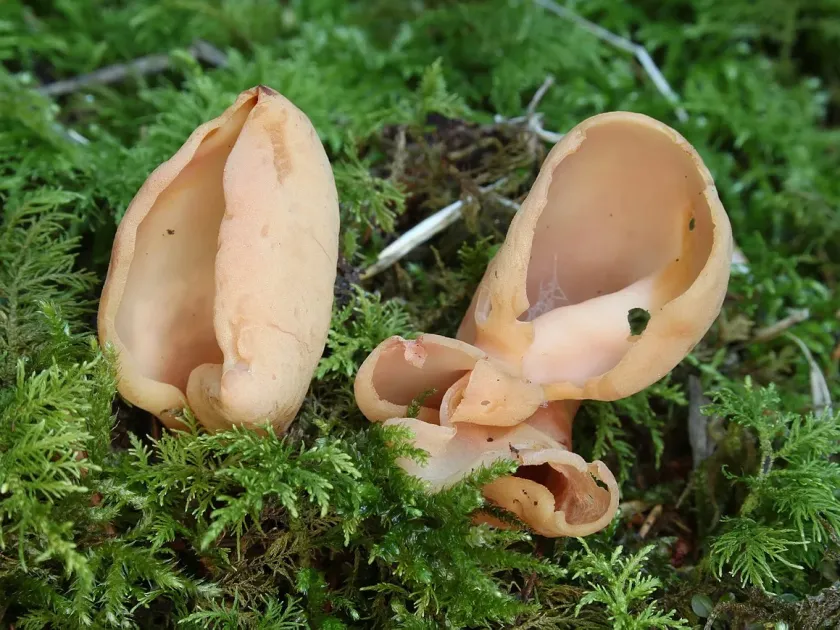
The most visible signs of this fungus are the distinctive cup-shaped or ear-shaped fruit bodies that appear on the forest floor during late summer and autumn.
These fruit bodies are typically 2 to 10 cm tall, often occurring in clusters or individually, and are light brown to ochre in color.
They are frequently found hidden among mosses or within thick layers of decaying conifer needles, making them subtle additions to the forest ecosystem.
The inner surface of the fruit body is usually smooth, while the outer surface might appear slightly granular or dusted with spores.
Upon maturation, the fungus releases microscopic spores that disperse through air currents, allowing for the colonization of new organic-rich environments.
Pathogen
Otidea leporina, commonly known as the hare's ear fungus, is a species of ascomycete fungus that belongs to the Pyronemataceae family.
It is important to emphasize that this fungus is a saprotroph and does not cause diseases in agricultural or garden plants.
The fungus plays a crucial role in decomposing complex organic material such as pine needles, decaying wood, and other leaf litter in forest environments.
Its biological structure is centered on the mycelium, which spreads through the organic layers of the soil to facilitate nutrient recycling.
The macroscopic appearance of the fruit bodies, which are shaped like rabbit ears, is the primary reason for its common name across various regions.
Conditions for development
The development of Otidea leporina is strictly tied to specific ecological conditions typical of temperate coniferous forests.
High levels of humidity are essential for the formation of fruit bodies, which is why they are most prevalent during periods of frequent rainfall.
A thick, well-established layer of organic litter is required to provide the carbon sources necessary for the mycelium's growth and metabolic activity.
Acidic soil conditions common in spruce and pine forests provide the optimal pH range for the fungus to thrive effectively.
Shaded environments, which protect the mycelium from desiccation and excessive heat, are critical for its survival and proliferation.
Why it matters
Since Otidea leporina is not a plant pathogen, it causes no harm to agricultural, horticultural, or silvicultural crops.
It exists in a non-parasitic relationship with the surrounding vegetation, interacting solely with non-living organic matter.
There is no economic impact or yield loss associated with this species, meaning it does not interfere with plant growth or development.
It does not produce toxins or secondary metabolites that could negatively influence the health of neighboring trees or herbaceous plants.
From an agronomic perspective, this fungus is entirely benign and performs a helpful function in the ecosystem by contributing to soil fertility.
Protection
As this species is not a disease-causing organism, there is no need for any control measures, such as fungicides or specialized sanitation.
Any perceived aesthetic issues caused by the presence of the fungus can be resolved by manually removing the fruit bodies from the site.
Preventative measures to keep a garden or forest area free of this fungus focus on reducing the accumulation of excess organic mulch and leaf litter.
Proper drainage and soil management will naturally discourage the accumulation of moisture, which is necessary for the growth of many saprotrophic species.
The application of chemicals is strongly discouraged, as it would be ineffective and potentially disruptive to the local soil biodiversity.
Discussion
No discussions yet — be the first.