
Opalinea
Opalinea
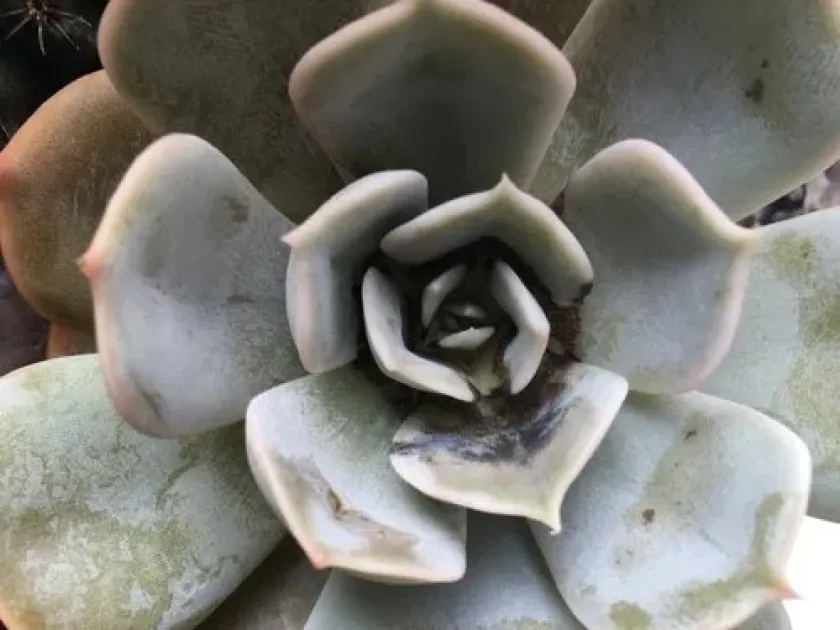
Description
Symptoms
The primary symptom is the appearance of distinct, opalescent, or translucent spots on the leaves, which serve as the hallmark diagnostic feature of the disease.
These spots often develop a darker margin over time as the plant tissue undergoes necrosis and begins to decay due to the spread of the fungus.
Under humid conditions, a fine fungal bloom or powder may be visible on the undersides of the leaves, representing the sporulation phase of the pathogen.
Advanced stages of the disease lead to leaf curling, chlorosis, and premature senescence, significantly reducing the plant's capacity for photosynthesis.
On stems and fruits, the disease may manifest as localized sunken lesions that can distort the shape and quality of the affected plant organs.
Pathogen
Opalinea is a specific fungal pathogen known for its ability to compromise the structural integrity and metabolic processes of susceptible host plants.
The disease cycle begins when spores land on the plant surface, germinating in the presence of moisture and invading the host tissue through stomata or mechanical injuries.
Once inside, the pathogen establishes a mycelial network within the intercellular spaces, secreting enzymes that degrade plant cell walls to access nutrients.
Survival of the fungus is ensured by its ability to persist in soil debris or crop residues, remaining dormant until favorable conditions trigger renewed growth.
Dissemination occurs rapidly through the air, water splashes, and physical movement of equipment, allowing the infection to spread across entire plantations.
Conditions for development
High relative humidity and persistent precipitation are the most critical factors that facilitate the germination and infection processes of Opalinea.
Moderate temperatures ranging between 18°C and 25°C provide the ideal metabolic window for the rapid development of the pathogen within the host tissue.
Poor ventilation, especially in high-density plantings or greenhouse environments, creates microclimates that trap moisture and favor fungal proliferation.
Inadequate soil management and imbalanced fertilization, particularly an excess of nitrogen, can result in overly succulent growth that is highly susceptible to infection.
Morning dew and fog often maintain enough surface wetness for the fungus to bypass the plant's natural defense barriers successfully.
Why it matters
The primary economic impact of Opalinea is the significant loss of foliage surface, which drastically reduces the plant's ability to produce energy through photosynthesis.
Stunted growth, reduced vigor, and compromised structural integrity of the crop are direct consequences of long-term infection and tissue destruction.
Crop yields suffer both in quantity and quality, as affected plants struggle to channel enough nutrients into fruit development and maturation.
Secondary infections often exacerbate the problem, as weakened plants are unable to mount effective defenses against opportunistic bacteria or other fungi.
In severe cases, the entire plant can wither or become commercially unviable, leading to substantial losses for farmers and gardeners alike.
Protection
Effective management begins with strict sanitation practices, including the removal and destruction of infected plant debris to minimize the initial inoculum.
Implementing a rigorous crop rotation program is essential to break the survival cycle of the fungus and reduce its presence in the soil.
The use of certified, disease-resistant cultivars is the most reliable long-term strategy for preventing widespread Opalinea outbreaks.
Timely application of contact and systemic fungicides can curb the spread of the infection if the disease is detected during the early stages of development.
Good agricultural practices, such as optimizing plant spacing and improving air circulation, help maintain a drier canopy, which discourages fungal growth.
Discussion
No discussions yet — be the first.