
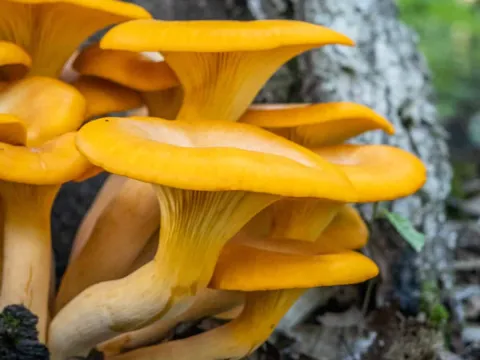
Omphalotus illudens
Omphalotus illudens
Omphalotus illudens, commonly known as the Jack O'Lantern mushroom, is a saprotrophic and parasitic basidiomycete fungus in the family Marasmiaceae. In agronomy, it is recognized as a significant agent of white rot in various hardwood and occasionally coniferous tree species.
What the section contains
Omphalotus illudens
The pathogen reproduces via spores that are dispersed by wind or insects, entering host trees through open wounds, pruning cuts, or frost cracks in the bark. Once inside, the fungal mycelium colonizes the woody tissues, specifically targeting the xylem.
This fungus behaves as both a parasite and a saprotroph. While it prefers dead or decaying wood, it frequently attacks living trees that are already weakened by environmental stress, poor maintenance, or mechanical damage, slowly consuming the internal structure.
The fungus secretes bioactive compounds that interfere with the tree's natural defenses, allowing the mycelium to spread rapidly through the cambium and heartwood. This destruction of the wood's structural components, particularly lignin, is what classifies the resulting decay as white rot.
The life cycle is characterized by the production of large, bioluminescent orange clusters of fruiting bodies at the base of the host tree. These clusters serve as the primary reservoir for spore dispersal, ensuring the fungus can colonize new areas in the garden or forest.
The most visible symptom of an Omphalotus illudens infection is the presence of distinctive orange to brownish-yellow mushroom clusters appearing at the base of the trunk or on exposed roots during late summer and autumn.
Infected trees often exhibit systemic decline, characterized by premature leaf yellowing (chlorosis), leaf drop, and the gradual dieback of upper branches. These symptoms reflect the tree's struggle to transport water and nutrients through the compromised vascular system.
Closer examination near the base of the trunk often reveals cracked bark and the presence of white, fan-like mycelial mats beneath the surface. As the infection progresses, the wood becomes soft, stringy, and loses its structural integrity.
The loss of root stability is a critical sign of advanced decay. Because the fungus often targets the root collar and primary roots, infected trees are prone to being toppled by wind, even if the canopy still appears somewhat intact.
- Bright orange clusters of mushrooms at the base.
- Premature leaf drop and branch dieback.
- Soft, spongy wood texture near the base.
- White mycelium visible under the bark.
- Increased risk of the tree falling during high winds.
The development of Omphalotus illudens is heavily dependent on moisture and moderate temperature. The fungus thrives in environments with prolonged periods of high humidity and rainfall, with optimal temperatures ranging from 18°C to 25°C.
Trees subjected to environmental stress—such as prolonged drought or waterlogging—are significantly more susceptible. Stress compromises the tree's immune system, making it an easy target for opportunistic infections by fungal spores.
High levels of organic debris, including old stumps or buried decaying wood, create an ideal environment for the fungus to establish a strong colony. These sites act as hubs that release spores into the surrounding area for many years.
Poor orchard or park management, such as overcrowding and poor air circulation, can increase the humidity around tree bases, further facilitating the transfer of mycelium from decaying debris to living roots via root grafting.
Autumn is the peak season for infection risk. During this time, the production of spores is at its highest, and any open wounds on trees—caused by pruning or accidental machinery damage—are highly vulnerable to colonization by wind-borne spores.
The primary damage caused by Omphalotus illudens is the irreversible decay of the tree's internal structure. By destroying the xylem, the fungus effectively cuts off the supply of water and nutrients, leading to the inevitable death of the host.
Economic impact is significant, particularly in orchards or high-value tree plantations. Losing mature trees requires extensive efforts for removal and stump grinding, followed by long-term monitoring of the soil for remaining fungal presence.
The structural integrity of the wood is severely compromised, rendering the timber worthless for commercial use. The white rot process turns solid wood into a fragile, hollow substance, which reduces the value of the tree long before it eventually dies.
Beyond the loss of individual plants, the presence of the fungus creates a safety hazard. Infected trees can become unstable and fall without warning, posing a significant risk to people, structures, and nearby infrastructure.
The persistence of the pathogen in the soil means that replanting in the same location is risky. The fungus can survive for long periods in infected root systems, posing a threat to any new, susceptible saplings planted in the vicinity.
The most effective control strategy is the immediate removal of infected trees, including the entire root system. Leaving stumps or large root fragments in the ground provides a continuous source of infection for surrounding healthy trees.
Pruning should be conducted carefully to avoid unnecessary bark damage. All pruning wounds should be treated with appropriate fungicidal pastes or wound sealants to prevent the entry of fungal spores during the high-risk periods.
Maintaining tree vigor through proper fertilization and watering is the best form of biological defense. A tree that is not stressed is far more resilient to the initial colonization of Omphalotus illudens.
Sanitation is key; remove any decaying woody debris and old stumps from the vicinity of healthy trees. Reducing the available food source for the fungus significantly decreases the likelihood of a successful establishment.
Applying beneficial soil microorganisms, such as Trichoderma species, can help suppress the growth of pathogenic fungi in the root zone. This biological approach promotes a healthier soil environment and limits the pathogen's reach.