
Oat sterile dwarf
Oat sterile
The primary symptom of the disease is a significant stunting of plant growth, which results in a distinct dwarf appearance compared to healthy crops.
What the section contains
Oat sterile dwarf
Infected leaves exhibit abnormal coloration, often turning yellow, red, or purple, which indicates a severe disruption of the photosynthetic activity.
Affected plants fail to produce a normal, productive head; the panicles or ears remain poorly developed or completely sterile, lacking viable grains.
Increased tillering is common in infected plants, but the resulting tillers are weak and short, giving the plant a stunted, bushy, or fan-like appearance.
The disease often appears in patches throughout the field, corresponding to the initial feeding sites of the insect vectors responsible for transmission.
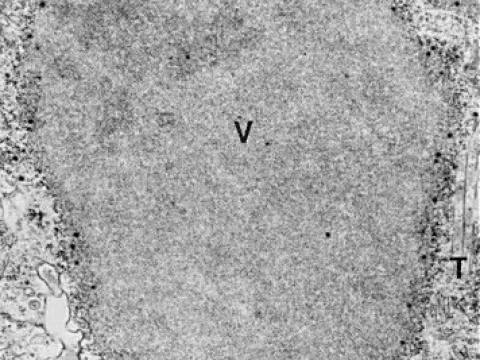
The pathogen responsible is the Barley yellow dwarf virus (BYDV), which belongs to the Luteoviridae family and affects various grass species.
The virus causes a systemic infection, primarily colonizing the phloem tissue, which disrupts the transport of nutrients within the plant.
Transmission occurs exclusively via aphid vectors, which acquire the virus while feeding on infected plants and then carry it to healthy crops.
Once an aphid becomes viruliferous, it can transmit the virus to other plants for the remainder of its lifespan during feeding sessions.
The virus is not transmitted mechanically through seeds, soil, or contact between plants, which is a crucial aspect for designing disease management plans.
Disease outbreaks are frequently triggered by warm, mild autumns that favor the rapid multiplication and migration of aphid populations in autumn-sown cereals.
Reservoirs such as cereal volunteers and various wild grasses act as essential sources of the virus, maintaining the pathogen during the off-season.
Migration patterns of winged aphids are highly dependent on wind and temperature, often coinciding with the emergence of young winter wheat or barley seedlings.
Prolonged dry periods can force aphids to move from drying weeds to green, young cereal fields, leading to concentrated outbreaks in those areas.
Early sowing of winter crops significantly increases the exposure window for young seedlings to aphid infestations before winter temperatures arrive.
The disease causes significant economic loss by drastically reducing yields, often rendering entire patches of the crop unproductive or sterile.
Infected plants exhibit reduced vigor, making them significantly more susceptible to other stress factors such as root rots, drought, and freezing winter conditions.
The blockage of nutrient translocation within the phloem leads to physiological exhaustion, preventing the plant from reaching its developmental potential.
Massive infections often result in a poor-quality crop with low grain filling, which compromises both the quantity and the nutritional value of the final harvest.
In extreme cases, the incidence level can be so high that farmers are forced to plow under the crop due to total economic failure in the affected fields.
The most effective management strategy involves controlling aphid populations using well-timed insecticide applications during the early stages of crop emergence.
Agronomic practices, such as the removal of volunteer cereals and weeds around field edges, are vital to minimize the primary reservoirs of the virus.
Adjusting sowing dates to avoid the peak periods of aphid migration is a fundamental cultural control measure to protect vulnerable young seedlings.
Breeding and selecting varieties with genetic resistance or tolerance to the virus is the most sustainable approach for long-term disease management.
Spatial isolation between winter and spring cereal crops helps to break the disease cycle, preventing the carry-over of the virus between growing seasons.