
Nosema disease
Nosema apis
The causative agent of the disease is the microsporidian Nosema apis, which belongs to the unicellular parasitic fungi. This pathogen exclusively targets the digestive system of adult honey bees.
What the section contains
Nosema disease
The parasite's spores are extremely resistant to environmental conditions, remaining viable in feces and on combs for up to two years. In dry honey or wax, they can survive even longer, which complicates the disinfection of apiaries.
The parasite enters the bee's body via the alimentary canal through contaminated feed or water. Inside the midgut, the spores release an amoeboid germ that invades the epithelial cells.
Intensive reproduction of the pathogen occurs within the intestinal epithelial cells. This results in the complete destruction of the functional layer of the organ responsible for nutrient digestion and absorption.
The biological cycle of Nosema apis is closely linked to the seasonal state of the bee colony. Maximum parasite development occurs during periods of limited cleansing flights and high crowding within the hive.
The primary external sign is dysentery (diarrhea), which leads to severe contamination of combs, the front wall of the hive, and the entrance with excrement. Specific fecal spots can often be seen inside the hive.
Infected insects become lethargic, lose their flying ability, and often have a distended abdomen. It is common to observe bees crawling on the landing board and dying in large numbers.
Colonies affected by Nosema disease become noisy, especially during winter, due to persistent restlessness and metabolic disruption. The bees cannot properly digest food, leading to severe physical exhaustion.
During visual inspection of the nest in winter or early spring, a decrease in colony strength is noticeable. The queen reduces egg-laying, and the brood may die due to the lack of care from weakened nurse bees.
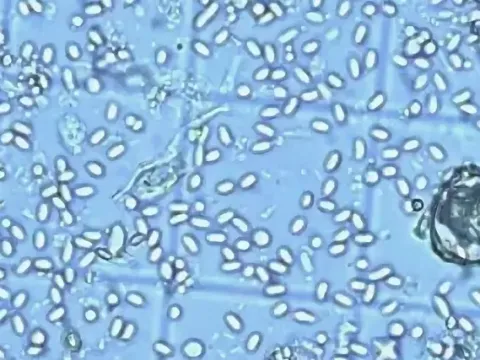
Laboratory confirmation of the diagnosis is carried out by microscopy of gut smears. The oval, shiny spores of the parasite are clearly visible under the microscope.
The disease actively develops during long and cold winters when bees are forced to stay without a cleansing flight for an extended period. The accumulation of feces in the gut creates an ideal environment for spore reproduction.
Dampness in the hives and poor ventilation significantly accelerate the spread of the infection. High humidity facilitates the survival of spores in the environment and increases the risk of infecting healthy individuals.
Feeding bees poor-quality feed, such as honeydew honey or honey with impurities, triggers the disease. Such feed overflows the intestine more quickly, weakening the immune system of the insects.
Stress factors, such as frequent winter inspections, temperature fluctuations, and apiary transportation, also contribute to Nosema outbreaks. Weakened colonies are much more susceptible to the parasite.
Violations of sanitary norms in apiary management facilitate the transmission of the parasite from infected colonies to healthy ones. The use of shared frames, feeders, and tools without disinfection is a primary transmission channel.
Nosema disease causes significant economic damage to beekeeping by triggering mass bee mortality, especially in the spring. Colonies can perish completely or reach a state incapable of honey production.
Infection with Nosema leads to a sharp decline in colony productivity. Insects lose the ability to effectively collect nectar and pollen, and are unable to perform duties such as brood rearing.
The disease provokes a rapid turnover of bee generations, depleting the energy resources of the hive. Consequently, the colony cannot build up sufficient strength for the main honey flow, resulting in financial loss.
The invasion often presents in a latent form, weakening the bees' immunity. Compromised colonies become more vulnerable to secondary viral and bacterial infections, which complicates the overall treatment.
The aftermath of a Nosema infection can impact colony development throughout the entire summer season. Even after recovery, bees take a long time to restore their physiological functions.
The key method of prevention is providing bees with high-quality feed. It is recommended to replace honeydew honey with high-quality floral honey or sugar syrup for winter feeding.
It is essential to maintain dryness and cleanliness in hives, ensuring adequate ventilation. Timely replacement of old, contaminated combs with fresh foundation is a crucial sanitary measure.
Annual disinfection of hives and equipment using certified chemicals or acetic acid helps eliminate parasite spores. Cleanliness in the apiary is the foundation of bee health.
When the disease is detected, veterinary drugs prescribed by a specialist should be used according to instructions. It is vital to strictly follow dosages and treatment schedules to avoid residues in the products.
Early spring cleansing flights are an effective way to combat Nosema. Placing hives in sunny spots helps bees clear their intestines of feces and parasite spores more quickly.