
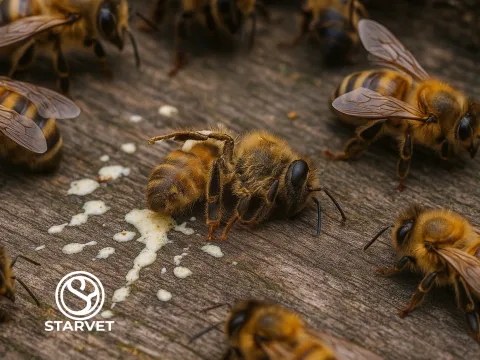
Nosematosis
Nosematidae
Nosematosis is an invasive disease caused by single-celled microorganisms known as microsporidia, specifically belonging to the genus Nosema. These organisms act as intracellular parasites, impacting the biological processes within host tissues.
What the section contains
Nosematosis
The pathogen produces highly resilient spores characterized by a robust cell wall, which allows them to remain viable in the soil and on crop residues for extended periods, even under harsh environmental conditions.
The life cycle of the pathogen is initiated when spores come into contact with a host. Once internal, the organism multiplies rapidly, diverting the host's cellular resources to support its own growth and development.
Dissemination is typically mechanical, occurring through wind, water runoff, or the movement of contaminated soil particles across fields, making it difficult to contain in large agricultural settings.
The high genetic flexibility of microsporidia allows them to adapt to different environmental niches, ensuring the long-term persistence of the pathogen within the agricultural ecosystem.
High humidity levels in both the soil and the air serve as the primary factor favoring the development and spread of nosematosis, as these conditions are ideal for spore survival.
Moderate temperatures combined with stagnant air in dense crop canopies facilitate the transition of spores into an active state, increasing the infection rate among healthy plant populations.
Agricultural practices that promote moisture retention, such as lack of crop rotation and improper irrigation management, create the microclimatic conditions necessary for the pathogen to thrive.
Stressed plants, suffering from nutrient deficiencies or physical damage from pests, exhibit reduced immune responses, making them particularly susceptible to colonization by the parasite.
The accumulation of debris from previous harvests acts as a reservoir for the pathogen, ensuring that the infection cycle continues throughout subsequent growing seasons if left unmanaged.
The damage caused by nosematosis manifests as a severe systemic weakening of the plant, which leads to stunted growth, reduced biomass production, and lower agricultural yields.
Infected crops show signs of impaired photosynthesis, resulting in poor development of fruits and grains, which significantly diminishes the overall market value of the harvest.
In cases where the pathogen affects ecosystems reliant on pollinators, the impact is compounded by the death of beneficial insects, leading to pollination failure and decreased fruit set.
Plants often exhibit signs of premature senescence and chlorosis, which can lead to significant foliage loss and total failure of the reproductive cycle in sensitive crop varieties.
Economic losses arise not only from the direct reduction in output but also from the increased operational costs associated with quarantine measures and the implementation of intensive disease management programs.
The foundational approach to managing nosematosis involves a rigorous crop rotation plan, which effectively disrupts the infection cycle and limits the accumulation of spores in the soil.
Deep tillage and the prompt removal or proper burial of harvest residues are essential practices to minimize the inoculum density and prevent the spread of the pathogen from the soil surface.
Strategic use of certified, disease-free seed material and the application of specialized treatments during sowing help to strengthen the crop's resilience against initial infections.
- Maintaining proper plant spacing to ensure adequate airflow and reduce humidity.
- Rigorous weed control to eliminate alternative hosts for the pathogen.
- Regular field monitoring to detect and remove infected plant patches early.
Integrated pest management, including the use of biological control agents and strict quarantine protocols for equipment, remains the most sustainable method for long-term control of this disease.