
Nosemosis
Nosema
Nosemosis is an infectious disease of adult honey bees caused by microsporidian parasites of the genus Nosema, primarily Nosema apis and Nosema ceranae.
What the section contains
Nosemosis
These intracellular parasites target the epithelial cells of the bee's midgut, where they multiply rapidly and interfere with the digestion and absorption of nutrients.
The life cycle of the pathogen involves the production of highly resilient spores that can remain infectious in the environment, on combs, and hive walls for several years.
Transmission of the parasite occurs horizontally within the hive through the ingestion of contaminated food, water, or by cleaning feces-contaminated surfaces.
Once inside the bee, the spores germinate, penetrate the gut lining, and proliferate, ultimately leading to the destruction of the midgut tissue and the death of the bee.
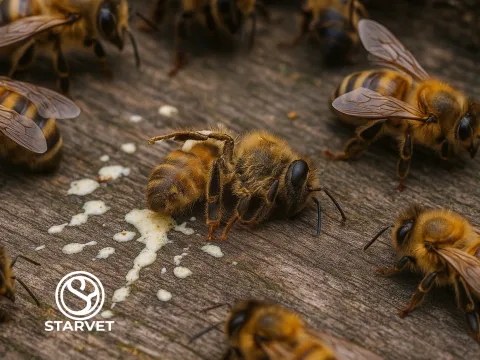
Clinical signs often include lethargic behavior, trembling, and the inability of adult bees to fly, resulting in large numbers of bees crawling near the hive entrance.
Visible symptoms include brown, fecal spotting on the front of the hive, the landing board, and on the combs, which indicates a serious intestinal infection.
Infected bees may show an enlarged abdomen, and dissection often reveals a pale, swollen, or cloudy midgut instead of the normal, translucent healthy appearance.
The disease causes a noticeable decline in colony strength, slow brood development, and a significant increase in the rate of adult bee mortality during spring.
Because symptoms are often not visible until the colony is heavily infected, microscopic laboratory examination is essential for early and accurate diagnosis.
The development of nosemosis is strongly influenced by environmental factors such as prolonged confinement during winter, which limits the bees' ability to defecate outside.
High humidity within the hive, caused by poor ventilation or insulation issues, creates an ideal climate for the survival and spread of Nosema spores.
The consumption of low-quality winter stores, especially honeydew honey with high mineral content, puts stress on the digestive system and promotes infection.
Temperature fluctuations and external stressors, including malnutrition and environmental pollutants, significantly increase the susceptibility of the colony to the parasite.
Lack of sanitary practices at the apiary level, such as failing to disinfect used equipment, acts as a primary condition for the persistent presence of the pathogen.
Nosemosis causes premature aging of worker bees, reducing their lifespan and their ability to care for the brood, which cripples the growth of the colony.
The disease leads to reduced honey production and economic losses for the beekeeper due to colony failure, winter mortality, and the cost of necessary treatments.
Infected colonies fail to reach peak strength in time for the major nectar flow, resulting in significantly lower yields and poor pollination efficiency.
In severe cases, if left unmanaged, nosemosis can lead to the total collapse of the colony, leaving empty hives and potentially spreading spores to neighboring hives.
Persistent infection weakens the overall immune system of the bees, making them more vulnerable to secondary infections and environmental threats.
Effective control starts with strict apiary hygiene, including the regular disinfection of hives, tools, and the replacement of old, contaminated honeycomb.
Beekeepers should ensure that colonies have access to high-quality, sugar-based or clean floral honey stores to avoid digestive stress during winter months.
Improving hive ventilation and providing dry wintering conditions are critical non-chemical measures to limit the moisture required for spore viability.
Veterinary medicines designed to suppress Nosema replication should be applied according to local regulations and official beekeeping guidelines when infection is confirmed.
Proactive monitoring through annual laboratory testing allows for early intervention, preventing the buildup of spore loads that cause widespread colony damage.