
Nothopassalora
Nothopassalora
Nothopassalora is a fungal disease affecting various plants, caused by a micromycete within the genus Nothopassalora (previously classified under the Passalora genus). This pathogen belongs to the Deuteromycetes group and primarily targets the foliage of different woody and shrub species.
What the section contains
Nothopassalora
The biology of the pathogen involves the formation of conidial spores, which are disseminated by air currents, rain splashes, or through contact with contaminated tools. The fungus overwinters in plant debris, making fallen leaves the primary reservoir for infection in orchards and nurseries.
The fungal mycelium penetrates plant tissues via stomata or mechanical injuries to the epidermis. Once inside the leaf blade, the fungus disrupts mesophyll cells, hindering photosynthesis and the overall metabolism of the host plant.
This fungus exhibits high adaptability to various climatic conditions, allowing it to survive for extended periods. Identification of the species often requires laboratory analysis, as the morphology of conidiophores can resemble other cercosporoid fungi.
Pathogen spread is most active during the growing season when environmental conditions favor spore germination. The intensity of the infection pressure depends directly on sanitation practices and the timeliness of phytosanitary treatments.
The primary symptom of a Nothopassalora infection is the appearance of leaf spots. These spots are typically circular or irregular, ranging from light brown to dark brown, often with a darker, sometimes distinct, border.
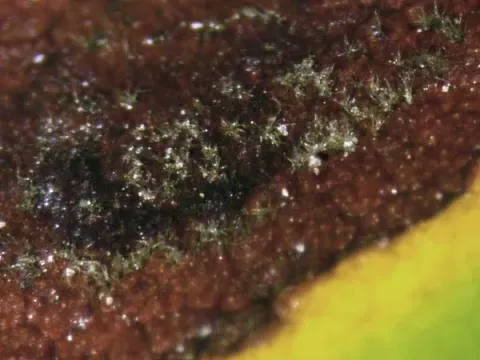
A grayish or olive-colored fungal growth, representing the conidial sporulation, can often be observed on the underside of the leaf within the affected area. As the disease progresses, the necrotic area expands, and spots may coalesce, covering a significant portion of the leaf surface.
A characteristic symptom is premature yellowing and leaf drop, particularly in the lower parts of the canopy. Severe infections lead to tissue necrosis, which may cause deformation and premature drying of the plant's vegetative organs.
Visual symptoms often become apparent in the second half of summer when the cumulative infection load peaks. It is important to distinguish Nothopassalora from other leaf spot diseases by examining spore localization and the pattern of necrotic zones.
If left untreated, infected plants show stunted growth, loss of aesthetic value, and reduced overall productivity. In some cases, under unfavorable growing conditions, the pathogen may also affect young shoots and buds.
The development of Nothopassalora is closely linked to high humidity and moderate temperatures. Optimal conditions for spore germination occur during frequent rainfall, heavy fog, or excessive overhead irrigation.
Dense planting schemes that restrict air circulation and prevent foliage from drying quickly are critical risk factors. In such environments, the microclimate within the canopy becomes ideal for the rapid colonization of new tissues by the fungus.
Poor agricultural practices, including nutrient deficiencies or improper watering, weaken plant immunity, making them more susceptible to fungal infection. Severe infestations are more commonly observed in poorly maintained landscapes.
Primary infection usually begins in the spring when temperatures rise to levels that activate dormant spores. A temperature range of 18–25 degrees Celsius is generally the most productive for pathogen propagation.
In years with prolonged rainy periods, the risk of a Nothopassalora epiphytotic increases significantly. Under these circumstances, preventive fungicide applications are necessary before visible symptoms appear on all plants.
The harmfulness of Nothopassalora lies in the significant reduction of the plant's photosynthetic leaf area. This weakens the plant, limits the accumulation of organic reserves, and deteriorates the health of the entire plant population.
Late-summer leaf drop negatively affects the plant's ability to prepare for winter, increasing the risk of frost damage. Weakened trees and shrubs become less resilient to low temperatures and other environmental stressors.
For fruit-bearing plants, Nothopassalora infection leads to decreased yields and poorer fruit quality. Reduced photosynthetic efficiency prevents fruits from reaching optimal weight and sugar content.
In ornamental gardening, the disease diminishes aesthetic value. Premature leaf loss ruins the appearance of shrubs and trees, necessitating additional investments in disease management and landscaping maintenance.
Chronic, long-term infection can result in the progressive dieback of individual branches and, in severe cases, the eventual death of the entire plant. Persistence of the pathogen in soil and debris creates a permanent threat to new plantings.
Integrated sanitation and preventive measures form the basis of protection against Nothopassalora. It is crucial to collect and destroy fallen leaves, where the fungus overwinters, to reduce the infection load for the following season.
To prevent excessive humidity, proper pruning is essential to facilitate airflow through the canopy. Maintaining spatial isolation between susceptible plant species is also recommended to slow the spread of spores.
Fungicide application is the primary chemical control method. Treatments with copper-based products or systemic fungicides, such as triazoles or strobilurins, are effective at inhibiting fungal development within plant tissues.
Application timing should correspond to plant phenological stages and weather conditions. Typically, the first treatment is applied early in the season, followed by subsequent sprays every 10–14 days, particularly during wet spells.
Strengthening plant immunity through proper fertilization and watering regimes is a vital component of control. Using high-quality nursery stock and selecting cultivars resistant to leaf spot diseases can significantly simplify disease management.