
Nosemosis of flea beetles
Nosema chaetocnemae
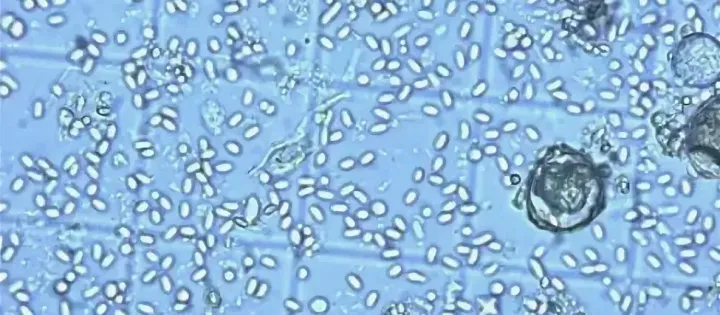
Description
Pathogen
The causative agent of this disease is the microsporidian Nosema chaetocnemae. This is an intracellular parasite that specifically infects flea beetles, which are common pests of cruciferous and other crops.
The life cycle begins when a beetle ingests spores while feeding. The spores germinate in the midgut, releasing a polar tube that injects the sporoplasm into the insect's cells.
Inside the host's cells, the parasite replicates, eventually filling the tissues with new spores. This process disrupts the insect's internal physiological functions and cellular integrity.
As the infection progresses, the host becomes weakened and eventually dies. The spores are then released back into the environment through feces or the breakdown of the insect's cadaver.
Because these microsporidia are highly adapted to their hosts, they are considered essential natural regulators that keep flea beetle populations from reaching outbreak levels.
Conditions for development
Transmission of nosemosis is highly dependent on host density. In crowded beetle populations, the contact rate is high, facilitating rapid spread of spores among individuals.
Environmental humidity plays a crucial role in spore survival outside the host. Moist conditions in the soil or on leaf surfaces help maintain the infectivity of the spores for longer periods.
Temperature significantly impacts the parasite's developmental rate within the beetle. Warmer temperatures generally accelerate the infection cycle, leading to faster host mortality.
Stressors such as starvation or poor environmental quality can decrease the insect's immunity, making the population more susceptible to successful infection by Nosema spores.
The soil acts as a reservoir for spores, where they can persist across seasons, providing an inoculum source for new generations of beetles emerging in the spring.
Why it matters
Nosemosis is not harmful to crops, but it is extremely beneficial for agricultural production because it serves as a natural biological insecticide.
Infected flea beetles show reduced mobility, which limits their ability to migrate between fields and find suitable hosts for feeding and reproduction.
The reproductive fitness of infected beetles is severely compromised. Infected females typically produce fewer eggs, leading to a significant decrease in the next generation's population density.
The shortened lifespan of infected adults means they spend less time feeding on crop foliage, resulting in reduced physical damage to young plants.
By causing epizootics within a population, this disease effectively suppresses the need for chemical intervention, acting as a free ecosystem service.
Protection
No direct control measures are needed for nosemosis, as it is a natural disease that suppresses pest populations without human intervention.
The management strategy should focus on conservation biological control. This involves minimizing the use of broad-spectrum pesticides that might negatively affect entomopathogenic microbes.
Integrating cultural practices, such as crop rotation and maintenance of beneficial field borders, supports the stability of the local ecosystem where such pathogens exist.
Monitoring pest populations is essential; when natural control agents like Nosema are active, farmers can often justify reducing the frequency or intensity of insecticide applications.
Maintaining a healthy soil and crop environment ensures that beneficial microbes can thrive and continue to provide long-term protection against flea beetle infestations.
Discussion
No discussions yet — be the first.