
Nosemosis
Nosema ceranae
Description
Symptoms
A key indicator of nosemosis is a gradual population decline, often observed in the spring as colonies fail to build up or suffer from sudden depopulation.
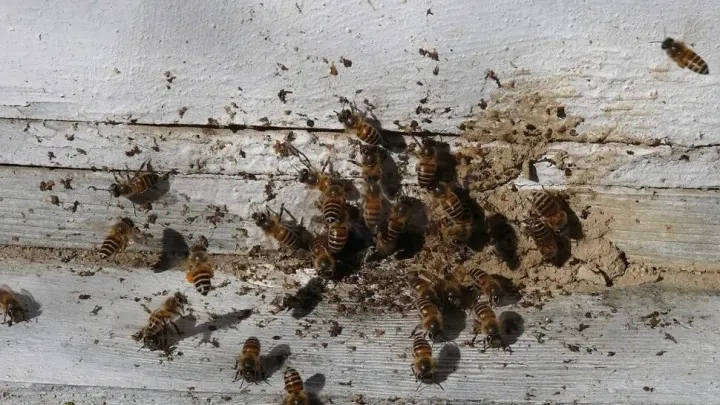
Beekeepers may notice characteristic fecal spotting on the front of the hive and on the landing board, which is often liquid and yellowish in appearance.
Affected bees exhibit signs of lethargy, trembling, and an inability to fly, frequently dying in large numbers on the ground near the hive entrance.
Internal examination of the digestive tract of infected bees often shows a swollen, milky-white midgut that has lost its normal brownish, segmented appearance.
In advanced cases, the bees' ability to nurse larvae is severely compromised, leading to poor brood development and a lack of young bees to sustain the colony.
Pathogen
The disease is caused by the microsporidian Nosema ceranae, an obligate intracellular parasite that primarily infects the midgut epithelial cells of adult honey bees.
This pathogen has spread globally, often outcompeting other species due to its high adaptability and ability to infect bees throughout the entire active season.
The spores of Nosema ceranae are highly resistant, remaining viable for months on hive equipment, comb wax, and honeybee feces, allowing the infection to persist.
Transmission occurs horizontally, usually through the ingestion of contaminated food, water, or by cleaning the hive surfaces soiled with infected fecal matter.
Once inside the host, the parasite multiplies rapidly within the gut cells, eventually causing the destruction of the digestive tissue and the host's eventual death.
Conditions for development
Long, cold winters that prevent timely cleansing flights are a major factor in the rapid buildup of the pathogen within the honey bee colony.
High humidity within the hive coupled with poor air circulation creates a favorable environment for the survival and dispersal of infectious spores.
Nutritional stress, caused by a lack of diverse forage or the consumption of poor-quality winter stores like honeydew, lowers the bees' resistance to infection.
Stress factors such as colony movement, frequent hive disturbances, and large temperature fluctuations can accelerate the onset of the active disease phase.
The reuse of old, contaminated frames and equipment without proper sterilization significantly increases the risk of spreading the parasite to healthy hives.
Why it matters
Nosemosis poses a severe threat to apiary profitability by causing significant losses in adult bee populations and drastically reducing honey yields.
The parasite negatively impacts the longevity of the worker bees, meaning that there are fewer foragers to collect nectar and pollen for the colony.
Severe infestations can lead to the total collapse of the colony, which is sometimes referred to as Colony Collapse Disorder symptoms in specific contexts.
The disease hinders the production of royal jelly by young nurse bees, which directly impairs the development and health of the entire brood cycle.
Beyond individual colony damage, an infected apiary serves as a reservoir for the disease, potentially impacting neighboring hives and increasing management costs.
Protection
Effective management begins with maintaining strong colonies that are well-prepared for winter, ensuring they have high-quality food stores and adequate ventilation.
Routine culling of old, dark brood combs is essential to reduce the spore load, and sterilizing hive boxes with heat or approved disinfectants is highly recommended.
Providing high-quality supplemental feed and avoiding the use of contaminated honey for wintering significantly helps in minimizing the risk of infection.
Monitoring for signs of nosemosis and using approved chemical or natural treatments when infection levels exceed safety thresholds is a crucial part of apiary health.
Regular site inspections and keeping the apiary area dry and clean help reduce the opportunities for the parasite to thrive and re-infect the bee population.
Discussion
No discussions yet — be the first.