
Nephromataceae
Nephromataceae
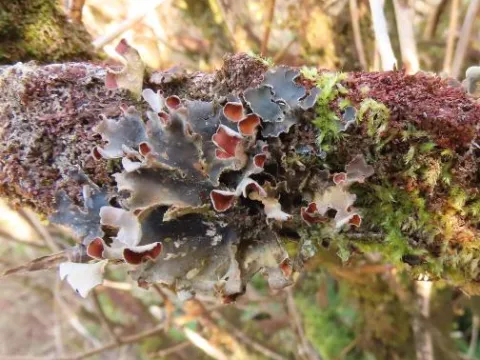
The Nephromataceae family comprises a group of lichens, not plant pathogens. These organisms are the result of a long-term symbiotic relationship between a fungus (ascomycete) and a photobiont, which is typically a cyanobacterium of the genus Nostoc.
What the section contains
Nephromataceae
They do not attack, parasitize, or consume crop plants. Their metabolic processes are strictly autotrophic, meaning they produce their own energy through photosynthesis, independent of the plant they settle upon.
The morphology of these lichens is distinct, characterized by a foliose thallus with kidney-shaped apothecia (fruiting bodies) located on the underside of the lobe margins, which distinguishes them from other lichen families.
Ecologically, Nephromataceae species are important for nitrogen fixation in forest ecosystems. Through their cyanobacterial partners, they convert atmospheric nitrogen into forms usable by surrounding plants, contributing to soil fertility.
In agronomic practice, identifying Nephromataceae on trees or soil is a biological indicator of healthy, clean air rather than a diagnostic symptom of a plant disease.
Nephromataceae thrive in environments with excellent air quality and high relative humidity. They are highly sensitive to pollution and are typically absent in industrialized or heavily farmed regions with poor air quality.
They prefer sheltered, shady, and moist microclimates, frequently found in old-growth forests on the bark of deciduous trees or occasionally on mossy rock surfaces.
These lichens obtain all necessary nutrients and moisture from the atmosphere, rainfall, and fog. They do not extract resources from the substrate, acting merely as epiphytic residents.
Temperature stability is crucial for their survival. They are adapted to cool, temperate climates and do not tolerate extreme heat or prolonged drought conditions.
The presence of industrial pollutants, such as sulfur dioxide, causes rapid deterioration of the thallus, making them excellent bioindicators for environmental monitoring.
Nephromataceae pose no threat to agricultural crops or forestry products. They are non-pathogenic organisms that do not cause lesions, decay, or reduction in plant growth.
While they grow on the bark of trees, they do not damage the cambium or the underlying xylem. Their existence is strictly independent of the host tree's health; they are merely using the bark as a surface for anchorage.
There is no evidence of these lichens causing yield losses or disease outbreaks. Confusing them with fungal parasites can lead to unnecessary and harmful application of fungicides.
They contribute positively to the biodiversity of the local ecosystem. By supporting nitrogen cycling, they offer subtle ecological benefits rather than economic burdens.
Therefore, their presence should be welcomed as a sign of environmental stability rather than mitigated as a threat to agricultural productivity.
No control measures are required for Nephromataceae. In many jurisdictions, these lichens are protected as essential components of rare and sensitive ecosystems.
If physical removal from trees is desired for aesthetic reasons, it should be performed mechanically, such as gently brushing off dead outer bark without injuring the tree’s living tissue.
Chemical control (fungicides) is strongly discouraged, as it causes unnecessary collateral damage to the beneficial microflora and negatively impacts the surrounding environment.
Proper orchard management, such as maintaining good airflow and crown health, naturally limits excessive lichen colonization without requiring chemical interventions.
The best management strategy is to preserve these lichens, as they serve as natural indicators of air quality and environmental health in agricultural landscapes.