
Neurospora
Neurospora
Description
Pathogen
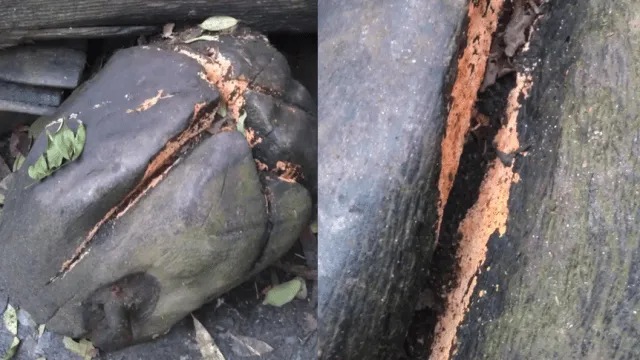
The causative agent of the disease is a group of ascomycete fungi belonging to the genus Neurospora. These organisms are commonly referred to as "red bread mold" due to the characteristic bright orange or pink appearance of their spore masses.
The fungus is distinguished by its exceptionally high rate of mycelial growth and its ability to disperse spores rapidly through air currents. In agronomic contexts, this pathogen often acts as a saprotroph, but under specific conditions, it can become an opportunistic threat to stored crops.
The microorganism propagates actively through asexual conidia, allowing it to colonize large substrates in a short period. Studying the biology of Neurospora is crucial for understanding the mechanisms of mold development within agricultural ecosystems.
In addition to conidial sporulation, the fungus can form fruiting bodies called perithecia, which contain ascospores. This feature enables the pathogen to survive adverse environmental conditions on plant debris and persist throughout the off-season.
Systematically, Neurospora belongs to the order Sordariales. Its evolutionary adaptability makes it a significant subject of study for experts focused on plant protection and the safe storage of agricultural products.
Conditions for development
The development of Neurospora is directly dependent on high humidity and the presence of accessible organic nutrients. The optimal temperature range for intensive mycelial growth is between +25 and +35 degrees Celsius.
The spread of infection is facilitated by spores that are easily carried by winds or water droplets. The fungus is highly versatile and can thrive on plant residues, cereals, and various legumes.
Poor storage technology, particularly the formation of condensation in warehouses, creates an ideal environment for disease outbreaks. Lack of proper ventilation leads to the rapid formation of new infection clusters.
Damaged seed coats or mechanical injuries to fruits provide entry points for the fungus to penetrate deeper plant tissues. Even microscopic cracks can serve as gateways for mycelial growth.
The presence of harvest residues in fields maintains a high infection background. Timely sanitation of fields and equipment significantly reduces the risk of further crop contamination.
Why it matters
Neurospora causes the most damage during the storage of harvested produce, leading to rapid spoilage. A bright fungal coating covers the surface of grain and vegetables, rendering them toxic and unsuitable for consumption or animal feed.
The fungus secretes specific metabolic products that degrade the quality of raw materials. This results in a loss of market value and a reduction in the nutritional energy of agricultural produce.
In field conditions, Neurospora can infect weakened plants, especially after hail or prolonged heavy rains. This triggers tissue decay and reduces the plant's overall resistance to other secondary diseases.
Seed infection significantly reduces germination energy and viability. Seedlings emerging from contaminated material are often weak and may perish during early developmental stages due to root rot.
The rapid spread of spores poses a significant threat to entire batches of stored crops. This necessitates strict quality control and the immediate isolation of identified mold foci to prevent large-scale losses.
Protection
The primary method of prevention is maintaining low humidity in storage facilities. Regular ventilation and the use of dehumidifiers are critical for inhibiting the growth of Neurospora mycelium.
Before storing new harvests, thorough disinfection of warehouses and equipment is mandatory. Applying approved fungicidal agents to walls and storage surfaces effectively eliminates fungal spores.
Proper crop rotation and deep soil tillage are essential agronomic measures. Burying plant residues disrupts the pathogen's life cycle and limits its capacity to persist in the field.
Preparing seed material, which includes high-quality drying and removal of impurities, minimizes risks. Grain moisture levels must be kept below the critical threshold where mold growth becomes viable.
If signs of infection are detected, contaminated batches must be removed immediately to protect the healthy mass. Biological control methods, such as utilizing antagonistic fungi, are showing promising results in protecting stored agricultural yields.
Discussion
No discussions yet — be the first.