
Neslia downy mildew
Hyaloperonospora nesliae
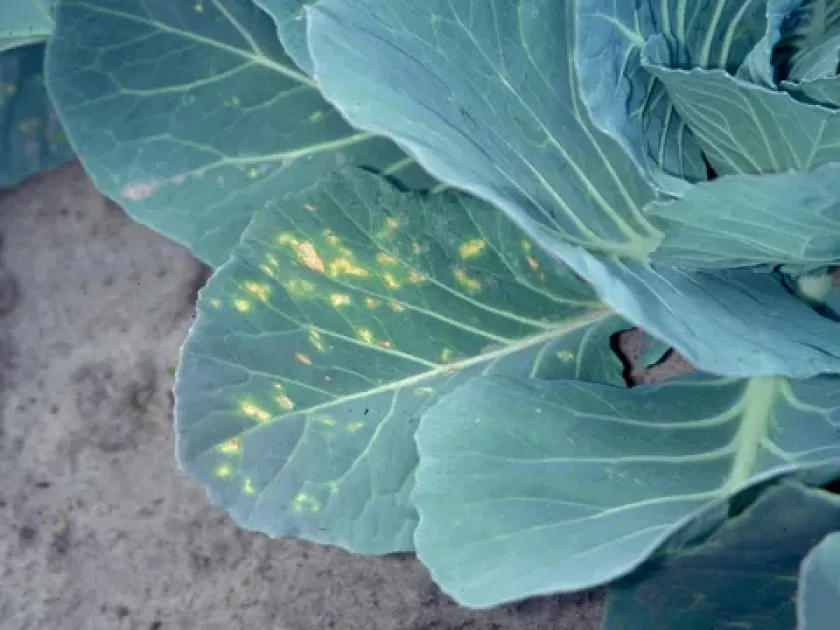
Description
Symptoms
The initial symptoms are characterized by chlorotic, yellow to pale green spots that appear on the upper surface of the leaves of the infected weed.
Under conditions of high humidity, a characteristic greyish-white fungal growth develops on the undersides of the leaves, representing the pathogen's sporulation.
As the infection progresses, the leaves may become deformed, twisted, or necrotic, eventually leading to premature death and leaf drop.
Severe infestations stunt the growth of the plant, potentially reducing its overall vigor and competitive ability against agricultural crops.
- Yellowish chlorotic lesions on leaves
- Greyish sporulation on the underside of leaves
- Deformation and curling of leaf blades
- Necrosis of infected plant tissue
Pathogen
The causative agent of this disease is the obligate parasite Hyaloperonospora nesliae, a member of the Peronosporaceae family, formerly classified within the Peronospora genus.
This pathogen specifically infects the ball mustard or small-seeded false flax (Neslia paniculata), a common weed found in agricultural fields.
The biological cycle of this oomycete is tightly linked to the host plant's growth, producing sporangia that are dispersed by wind across long distances.
Oospores serve as resting structures, allowing the pathogen to persist in the soil or crop debris for extended periods between growing seasons.
The parasite typically enters the plant host through stomata or direct penetration of the cuticle, establishing a systemic infection within the plant tissues.
Conditions for development
The development of Neslia downy mildew is heavily dependent on high relative humidity, which is essential for sporangia germination and colonization.
Optimal temperatures for the pathogen range from 12°C to 18°C, which often coincide with cool, wet spring weather conditions.
Frequent rainfall, fog, and morning dew are critical factors that facilitate rapid disease spread within a weed population.
Dense canopies and poor air circulation in fields create a stable, humid microclimate that significantly promotes the multiplication of the oomycete.
Extended periods of moisture are necessary for the pathogen to complete its life cycle and produce new inoculum for secondary spread.
Why it matters
The primary concern regarding this pathogen is its role as a reservoir for downy mildew infections that can potentially jump to related cruciferous crops.
Persistent infestations in weeds create an ongoing source of inoculum, increasing the disease pressure for agricultural crops in the vicinity.
Although the pathogen negatively affects the weed, it rarely eliminates the weed population entirely, meaning the competitive impact on the crop remains.
The accumulation of oospores in the soil complicates long-term phytosanitary management, especially in fields where mustard or other brassicas are rotated.
Growers must factor in these weed-borne diseases when planning integrated pest management strategies to avoid widespread field infections.
Protection
Effective management relies on proactive weed control programs, particularly those targeting Neslia paniculata to remove the infection source.
Implementing rigorous crop rotation strategies helps to disrupt the pathogen's life cycle and reduces the survival of resting structures in the soil.
Deep plowing of field residue is a standard practice to bury infected organic matter, making it less likely for oospores to cause primary infection in spring.
The use of clean, certified seeds is vital to prevent the introduction of weed seeds and associated pathogens into previously healthy fields.
Timely application of herbicides during early weed growth stages remains the most efficient way to keep the pathogen population below critical thresholds.
Discussion
No discussions yet — be the first.