
Nectria canker
Neonectria
The causative agent of Nectria canker is the ascomycete fungus Neonectria ditissima. It is a highly specialized parasite that primarily attacks the bark and cambium layers of woody plants.
What the section contains
Nectria canker
The fungus produces spores, known as conidia and ascospores, which are spread by wind, splashing rain, and insects throughout the active growing season.
Infection typically occurs through natural openings like lenticels or wounds caused by pruning, frost damage, insect activity, or mechanical trauma.
Once inside the tree, the fungal mycelium colonizes the vascular tissues and cambium, releasing enzymes that destroy plant cells and cause characteristic lesions.
The pathogen is known for its persistence, as it can survive within the host tissues for many years, acting as a constant source of inoculum for the entire orchard.
Early symptoms appear as small, sunken, or discolored spots on the bark, which eventually develop into distinct, rough-looking cankers.
The most recognizable sign is the presence of concentric ridges of callus tissue that form around the margin of the canker as the tree attempts to wall off the infection.
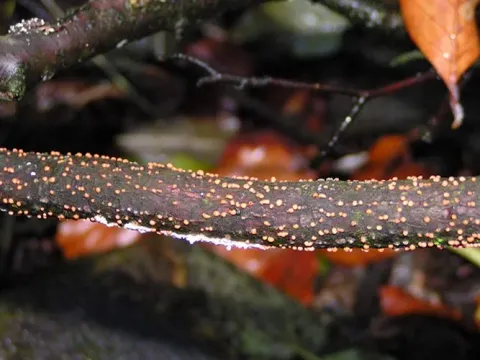
During moist periods, the surface of the canker reveals tiny, bright red or orange fruiting bodies, known as perithecia, which are indicative of active spore production.
Leaves above the cankered area often exhibit chlorosis or wilting, and branches can die back completely if the fungus girdles the stem or limb.
In advanced stages, the structural integrity of the branch is compromised, leading to limb breakage or the complete decline of the tree if the trunk is affected.
Nectria canker thrives in cool, wet environments, making prolonged rainy periods in autumn and spring the most critical times for infection spread.
Dense canopies that lack proper air circulation prevent the rapid drying of bark surfaces, providing a long window for spore germination and infection.
Poor horticultural practices, such as pruning during wet weather, significantly increase the risk of introducing the pathogen into fresh, open wounds.
Environmental stress, specifically frost damage and rapid temperature fluctuations, creates favorable entry points for the fungus to establish itself.
Sites with heavy, waterlogged soils or locations where trees are planted too close together are particularly prone to severe disease outbreaks.
This disease is a major threat to apple and pear orchards, capable of causing significant yield losses and reducing the overall productive life of the trees.
By girdling branches and trunks, the fungus interferes with the translocation of nutrients and water, which eventually leads to the death of affected tree sections.
The economic impact is compounded by the labor-intensive nature of removing infected wood and the necessity of applying regular protective treatments.
Infected trees exhibit reduced vigor, smaller fruit size, and compromised cosmetic quality, rendering the produce unsuitable for commercial markets.
The pathogen acts as a primary stressor, often predisposing the tree to secondary colonization by opportunistic pests and other wood-decaying fungi.
Sanitation is the cornerstone of control; all cankered branches must be pruned out, ensuring cuts are made well into healthy tissue, and removed wood must be destroyed.
Applying protective fungicides or copper-based treatments to pruning wounds immediately after cutting is vital to block infection paths.
Preventative orchard management should include regular autumn and spring applications of copper sprays to reduce the load of airborne spores.
Maintaining tree health through balanced fertilization and proper irrigation helps the tree develop thicker bark and better wound-healing capabilities.
It is recommended to implement annual pruning only during dry weather to minimize the chances of spores entering fresh cuts and causing new infections.