
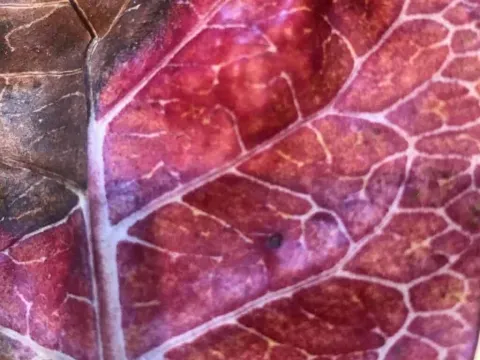
Nectriella
Nectriella
The causative agent of this disease is fungi of the genus Nectriella (phylum Ascomycota). These are microscopic ascomycete fungi that often live as parasites, settling on weakened tissues of woody and herbaceous plants.
What the section contains
Nectriella
The fungus forms fruiting bodies known as perithecia, which often have a bright coloration, ranging from light orange to reddish. These tiny formations allow for identification of the pathogen under laboratory conditions.
The life cycle of the pathogen includes both sexual and asexual spore production. This provides the fungus with high adaptability and the ability to spread rapidly across the area when favorable conditions occur.
Unlike more aggressive fungal species, Nectriella often acts as a facultative parasite, colonizing bark or shoot areas already damaged by other stress factors.
The biology of the fungus is closely linked to plant debris, where it can persist for a long time, waiting for a favorable moment to infect a susceptible host plant.
The primary symptom of infection is the appearance of small, rounded fruiting bodies on the surface of the bark or leaves. They look like tiny colored "bumps" at the sites of tissue necrosis.
Affected parts of the plant often become discolored, dry, or soft, depending on the degree of tissue destruction. Areas of bark necrosis are frequently noticeable around the fungal colonies.
When branches are affected, premature leaf wilting, impaired sap flow, and gradual death of individual crown sections are observed. The plant loses its aesthetic value and overall vitality.
In the early stages, the fungus is difficult to detect with the naked eye because the perithecia are very small. Diagnosis is often carried out using a magnifying glass or microscope to confirm the structure of the fruiting bodies.
Cracking of the bark can be observed at the site of infection, through which the fungus penetrates deeper layers, disrupting the vascular system and causing localized necrosis.
Disease development is closely correlated with high levels of humidity and soil moisture. The fungus actively multiplies under conditions of prolonged rain, fog, and water stagnation in the root zone.
Temperature plays a key role: moderately warm weather combined with high humidity creates an ideal environment for spore germination and the formation of new pathogen fruiting bodies.
Poor air circulation in dense plantings significantly increases the risk of infection. Stagnant zones create a microclimate where fungal spores easily settle and establish on plant tissues.
Mechanical injuries to the bark caused by pruning, hail, insects, or sunburn serve as "entry points" for the fungus. Weakened plants are the most susceptible to infection.
Lack of proper care, including failure to remove plant debris from the garden, contributes to the accumulation of inoculum and annual recurrence of disease outbreaks.
The main danger of Nectriella is the gradual suppression of the plant's physiological processes. The fungus destroys bark tissues, leading to nutrient disruption and shoot dieback.
With severe infection, a decrease in crop productivity, slowed growth rates, and deformation of young shoots are observed, which is critical for young saplings and ornamental trees.
Delayed treatment leads to the gradual degradation of the plant. In advanced cases, the fungus can spread to structural branches, making it impossible to save the culture.
The disease negatively affects the winter hardiness of plants. Affected areas become less resistant to temperature fluctuations, which often leads to frostbite of the branches during the winter period.
Economic losses consist of the costs of replacing plantings, the need for additional sanitary pruning, and the loss of harvest or the commercial value of ornamental plants.
The primary measure is thorough sanitary pruning. All affected branches must be removed, including some healthy tissue, and must be burned to prevent the spread of spores.
Strict adherence to agricultural practices is necessary: ensure good canopy ventilation, avoid dense plantings, and manage pests that damage plant bark in a timely manner.
The application of copper-based preparations in early spring and autumn can significantly reduce the infection pressure. Preventive treatments are the basis for protecting the garden from fungal pathogens.
Timely sealing of cuts and mechanical wounds with horticultural wax or specialized healing pastes prevents spores from penetrating deep into plant tissues.
In case of widespread infection, the use of systemic fungicides is recommended, with the choice based on the current state of the plant and recommendations from local agricultural services.