
Nectriopsis
Nectriopsis
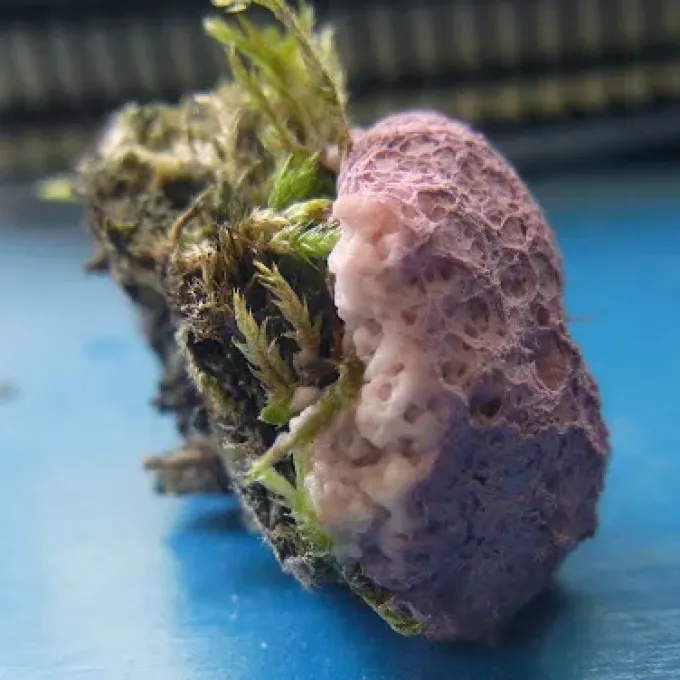
Description
Symptoms
The primary symptom of infection is the emergence of tiny, colorful fruiting bodies — typically in shades of red, orange, or pink — scattered across the affected plant parts.
Affected tissues often show signs of necrosis, beginning as water-soaked lesions that eventually turn dark brown or black as the cellular integrity of the plant is compromised.
In cases of severe infection, wilting of leaves and shoots is observed, as the fungus disrupts the plant's vascular system, preventing the upward movement of water and nutrients.
Cankers or sunken areas on stems and twigs are common signs, often leading to girdling, which subsequently results in the death of distal parts of the plant branch.
- Appearance of small, brightly colored perithecia.
- Localized tissue necrosis and dark spots.
- Cankers forming on stems and branches.
- Sudden wilting or chlorosis of foliage.
Pathogen
Nectriopsis is a genus of fungi belonging to the family Bionectriaceae. Many species within this genus act as mycoparasites or opportunistic pathogens that colonize weakened or already infected plant tissues.
The pathogen is characterized by the production of perithecia, which are small, flask-shaped fruiting bodies that serve as the primary source of spore dispersal within the agricultural ecosystem.
Biologically, the fungus spreads via ascospores, which are efficiently disseminated by wind, rain splashes, and sometimes by insect vectors moving between plant stands.
The fungus is capable of surviving for long periods in plant debris, soil, or within the bark of perennial plants, making it a persistent threat in many horticultural settings.
Accurate species identification of Nectriopsis requires expert analysis, as its morphology often resembles other common fungi within the Hypocreales order.
Conditions for development
The development of Nectriopsis is heavily favored by high humidity levels, usually exceeding 80%, which provide the necessary moisture for spore germination and mycelial growth.
Poor aeration in dense plantings creates a stagnant microclimate that maintains moisture on the plant surface, significantly increasing the likelihood of successful infection.
Optimal temperatures for the growth of this pathogen typically range from +15 to +22 degrees Celsius, making spring and autumn periods high-risk seasons for the disease.
Physical injuries to the plant, caused by pruning, insects, or environmental stress like frost or hail, act as entry points for the fungal spores to colonize the interior plant tissues.
Excessive nitrogen fertilizer use promotes rapid, succulent growth that is more susceptible to fungal entry compared to plants grown under balanced nutritional conditions.
Why it matters
The economic impact of Nectriopsis stems from the loss of plant vigor, reduced growth rates, and the potential death of branches, which negatively impacts the overall yield and fruit quality.
In fruit-bearing trees, infection can lead to the formation of structural cankers that impair the plant's long-term health and productive lifespan.
The disease facilitates secondary infections by other, more aggressive pathogens, creating a complex disease scenario that is harder to manage and treat effectively.
Post-harvest losses may occur if the fungus infects the fruit, leading to rapid decay during storage and transportation, which is particularly detrimental to commercial growers.
Severe outbreaks can cause significant crop failure, requiring substantial investment in replanting and long-term control strategies to mitigate the damage.
Protection
Strict sanitation is the cornerstone of management; all infected plant materials must be pruned and safely removed or destroyed to eliminate the source of inoculum.
Regular maintenance of pruning tools, including disinfection with ethanol or copper-based solutions, is crucial to prevent the mechanical transmission of the fungus between healthy plants.
Preventive application of fungicides, particularly those containing copper or systemic active ingredients, can help inhibit fungal growth and protect vulnerable plant tissues.
Improving cultural practices such as thinning out dense foliage and ensuring proper irrigation techniques helps create an unfavorable environment for spore development.
Monitoring plants for early symptoms and implementing rapid response measures can drastically reduce the severity of the disease and prevent widespread colonization within the crop.
Discussion
No discussions yet — be the first.